
In today’s hyper-competitive digital marketplace, captivating product visuals are no longer a luxury but a necessity for ecommerce success. Harnessing the power of AI Image Generation for Ecommerce Visuals offers an unprecedented opportunity to revolutionize how brands present their products, driving engagement and significantly boosting conversion rates.
Forget expensive photoshoots and lengthy design cycles; cutting-edge generative AI models like Midjourney and DALL-E 3 now empower online retailers to instantly produce high-quality, diverse. contextually rich product imagery.
This shift allows for rapid A/B testing of visual concepts, personalized product displays for different customer segments. the creation of aspirational lifestyle shots from basic inputs, directly addressing the modern consumer’s demand for immersive shopping experiences and leading to tangible sales growth.
The Visual Revolution: Understanding AI Image Generation for Ecommerce
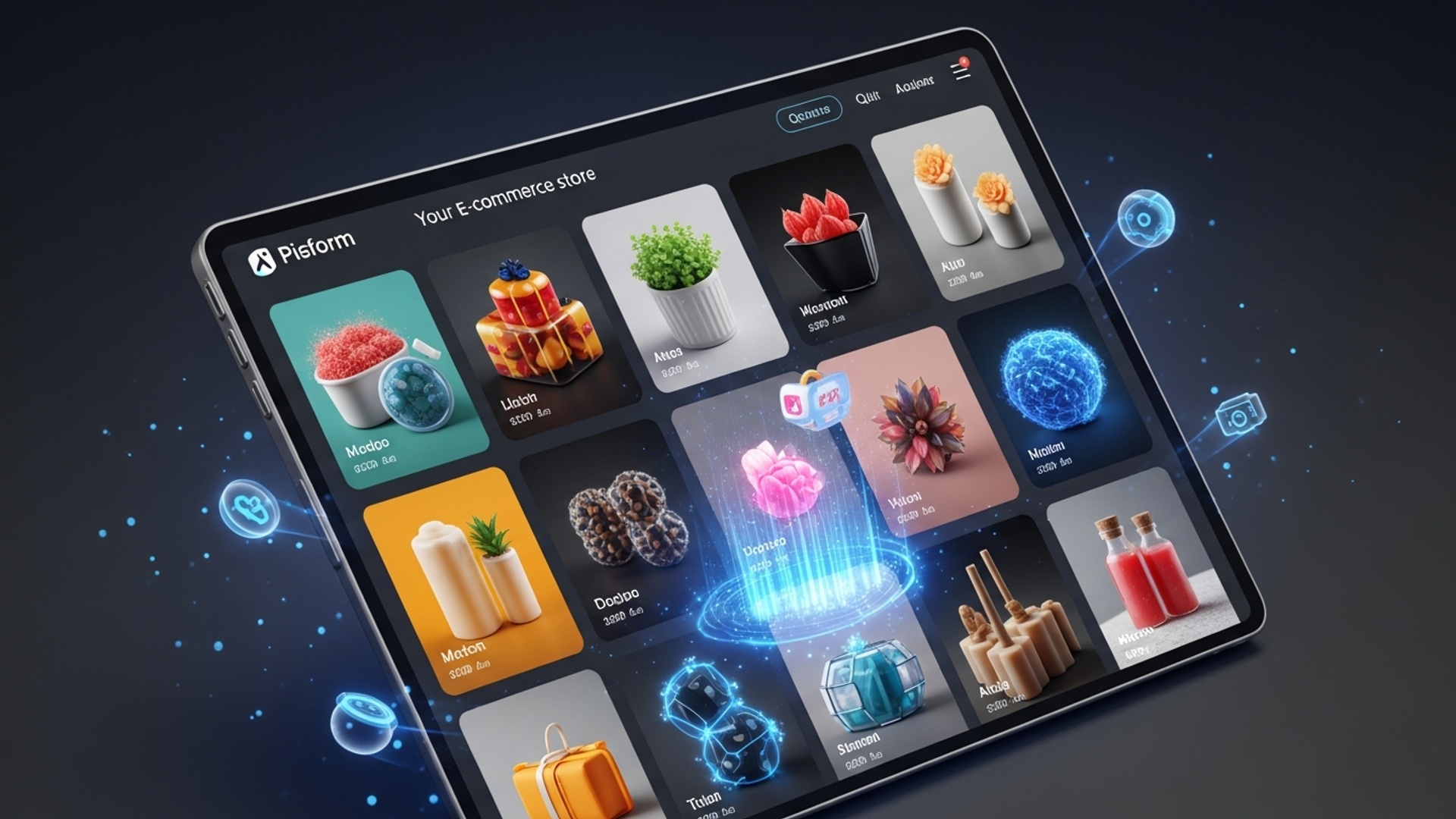
In the highly competitive world of online retail, compelling visuals play a critical role in attracting customers and driving conversions. Product images, lifestyle photos, and promotional graphics often determine whether a shopper clicks, scrolls, or completes a purchase. Because ecommerce lacks the physical experience of in-store shopping, visuals must communicate product quality, brand identity, and emotional appeal instantly.
Traditionally, producing high quality visuals required significant investments. Brands needed photographers, models, studio spaces, stylists, and post-production teams. For many businesses, especially small and medium ecommerce stores, these costs created a major barrier to producing professional visual content at scale.
This technology analyzes large datasets of images and learns patterns related to composition, lighting, textures, and objects. When a user enters a prompt such as “minimalist smartwatch on a wooden desk with soft natural lighting,” the system produces a visual representation based on that description.
For ecommerce businesses, this innovation dramatically lowers the barrier to high quality visual content. Brands can now create product photography, lifestyle scenes, and marketing creatives quickly, affordably, and at scale.
Why AI Generated Visuals Are Transforming Ecommerce
The impact of AI Image Generation for Ecommerce Visuals goes far beyond convenience. It introduces several strategic advantages that help online stores compete in a crowded marketplace.
Significant Cost Reduction
Traditional product photography involves multiple expenses including studio rentals, photographer fees, lighting equipment, and post-editing. Even a simple shoot can cost thousands of dollars.
AI generated images remove most of these costs. Businesses can produce a wide variety of visuals without hiring photographers or booking studio time.
This is particularly valuable for:
-
Small ecommerce brands
-
Startups launching new product lines
-
Businesses with large product catalogs
With AI tools, merchants can create hundreds of product images for a fraction of the traditional cost.
Faster Content Production
Speed is another major advantage. Traditional photoshoots require planning, scheduling, and editing time. AI tools can generate images in minutes.
This rapid production enables brands to:
-
Launch products faster
-
Respond to seasonal trends
-
Test marketing campaigns quickly
-
Create fresh social media content regularly
Fast visual production also supports agile marketing strategies where brands test multiple creative variations before choosing the best performing assets.
Unlimited Creative Variations
AI allows businesses to generate nearly unlimited variations of the same product image. For example, a single product could be displayed in different environments, lighting conditions, and color schemes.
Possible variations include:
-
Lifestyle scenes in different locations
-
Seasonal backgrounds
-
Different model types
-
Alternative product colors or materials
This level of scalability is extremely difficult with traditional photography.
Improved Personalization
Modern ecommerce increasingly relies on personalization. AI generated visuals can be tailored to different customer segments, helping brands connect more effectively with diverse audiences.
For example, a clothing brand could create images of the same product on different body types, age groups, or cultural backgrounds.
According to research from McKinsey, personalization strategies can increase ecommerce revenue by 10 to 15 percent.
https://www.mckinsey.com/capabilities/growth-marketing-and-sales/our-insights/the-value-of-getting-personalization-right-or-wrong
AI generated visuals make this level of customization easier than ever.
Practical Applications of AI Image Generation for Ecommerce Visuals
The flexibility of AI technology makes it useful across many parts of an ecommerce business. From product pages to advertising campaigns, AI Image Generation for Ecommerce Visuals can enhance multiple aspects of digital retail.
Product Photography Without a Studio
One of the most common uses of AI image generation is creating professional product photography.
Studio Quality Product Images
AI tools can generate clean product images with controlled lighting and realistic shadows. These images can replicate traditional white background photography often used for ecommerce listings.
Benefits include:
-
Faster product launches
-
Lower production costs
-
Consistent visual quality
Lifestyle Product Scenes
Lifestyle imagery helps customers imagine how a product fits into their daily life. AI makes it possible to place products in realistic environments without staging a photoshoot.
Examples include:
-
Furniture placed inside modern living rooms
-
Fitness equipment in home gyms
-
Fashion items worn in urban environments
These visuals increase engagement and help customers visualize product use.
Product Variants
Many ecommerce products come in multiple colors, sizes, or materials. Photographing each variant can be expensive and time consuming.
AI tools can easily generate images showing every variation of a product, improving catalog completeness while reducing operational costs.
Marketing and Advertising Content
Marketing teams require a constant stream of new visuals for advertising campaigns, social media posts, and email promotions. AI image generation helps meet this demand efficiently.
Social Media Visuals
Platforms such as Instagram, Pinterest, and Facebook rely heavily on visual content. AI tools allow brands to produce fresh creative assets for regular posting.
Brands can experiment with different themes, colors, and visual styles to see which resonates best with their audience.
Banner Ads and Email Campaigns
Ecommerce brands frequently update banners for:
-
seasonal promotions
-
product launches
-
limited time offers
AI generated visuals can be quickly adapted for these campaigns, helping teams test multiple versions of ad creatives.
Landing Page Graphics
Landing pages require visually engaging hero images to capture attention. AI generated scenes can highlight products in visually compelling ways while aligning with brand aesthetics.
Enhancing the Ecommerce User Experience
Beyond marketing, AI Image Generation for Ecommerce Visuals also improves the overall shopping experience.
Personalized Product Displays
Some ecommerce platforms personalize product recommendations based on browsing behavior. AI generated visuals can support these recommendations by displaying products in contexts that match user interests.
Interactive Visual Experiences
AI generated assets can also support interactive ecommerce features such as product customization tools or augmented reality experiences.
Customers can visualize different product configurations instantly, improving confidence before purchasing.
Understanding How AI Image Generation Works
Although the user experience appears simple, the technology behind AI image generation is highly sophisticated.
Modern systems rely on machine learning models trained on massive datasets containing millions of labeled images.
Two primary technologies power most AI image generation platforms.
Generative Adversarial Networks
Generative Adversarial Networks, commonly called GANs, involve two competing neural networks.
One network generates images while the other evaluates whether those images appear realistic. Through repeated iterations, the system improves its ability to produce authentic visuals.
This process enables the creation of highly detailed and realistic images.
Diffusion Models
Diffusion models represent another major breakthrough in AI image generation.
These systems start with random noise and gradually transform it into an image based on a text prompt. The model removes noise step by step until the final visual matches the requested description.
Diffusion models are widely used because they produce highly coherent and visually rich images.
For ecommerce businesses, these technologies operate behind simple interfaces where users type prompts and receive generated images within seconds.
Popular Tools for AI Image Generation
Several platforms now provide tools specifically suited for AI Image Generation for Ecommerce Visuals.
Midjourney
Midjourney is known for producing artistic and visually striking images. It is commonly used for lifestyle imagery and creative branding concepts.
Strengths include:
-
high aesthetic quality
-
strong style generation
-
unique visual compositions
DALL E
DALL E is known for its strong understanding of text prompts. It performs well when users need precise object placement or detailed scenes.
It is widely used for marketing visuals and product mockups.
Stable Diffusion
Stable Diffusion is an open source platform that allows extensive customization. Businesses can train models to match specific brand styles or product categories.
This makes it ideal for large scale image production.
Adobe Firefly
Adobe Firefly integrates with design tools such as Photoshop and Illustrator. It focuses on commercial safety and ethical AI training data.
Design teams often prefer Firefly because it fits seamlessly into existing creative workflows.
Best Practices for Using AI Generated Ecommerce Visuals
Generating images with AI is only the first step. To achieve the best results, ecommerce businesses should follow several strategic practices.
Write Detailed Prompts
The quality of generated images depends heavily on the prompt used.
Instead of vague instructions, provide detailed descriptions that include:
-
lighting conditions
-
camera angles
-
environment
-
style or mood
For example:
Weak prompt
“Handbag on table”
Strong prompt
“Luxury leather handbag on marble table with soft natural lighting, elegant lifestyle photography, minimal background”
Detailed prompts produce significantly better outputs.
Maintain Brand Consistency
Although AI allows unlimited creative variations, visuals should still reflect the brand’s identity.
Consider creating a prompt style guide that includes consistent references to:
-
brand colors
-
photography style
-
lighting preferences
-
background environments
This ensures visual consistency across product pages and marketing campaigns.
Iterate and Refine Images
AI generated images often improve with multiple attempts. Generate several versions and refine prompts until the desired result appears.
Most tools allow users to adjust images or regenerate variations quickly.
Combine AI With Human Creativity
AI is most effective when combined with human judgment. Designers and marketers should review generated visuals to ensure quality and brand alignment.
Final editing in design software can enhance details and polish the image before publishing.
Conduct A B Testing
One of the biggest advantages of AI visuals is the ability to create many variations quickly.
Businesses should test different visuals on:
-
product pages
-
advertisements
-
landing pages
-
email campaigns
By analyzing performance data, brands can identify which visuals drive the highest engagement and conversions.
Ethical and Strategic Considerations
While AI offers powerful advantages, businesses should also consider ethical implications.
Generated images should represent diversity and avoid unrealistic standards. Brands should strive to create inclusive visuals that resonate with a broad audience.
Transparency can also build trust. Some brands choose to disclose when AI generated visuals are used in marketing content.
Additionally, companies should ensure the tools they use allow commercial usage rights for generated images.
Conclusion
Visual storytelling plays a critical role in ecommerce success. As competition grows, brands must continuously produce high quality visuals that capture attention and communicate product value.
AI Image Generation for Ecommerce Visuals provides a powerful solution to this challenge. By enabling fast, affordable, and scalable visual creation, AI allows businesses to produce professional images without the limitations of traditional photography.
From product photography and lifestyle imagery to advertising creatives and personalized experiences, AI generated visuals are transforming how ecommerce brands present their products online.
Businesses that adopt this technology can launch products faster, experiment with creative campaigns, and engage customers with dynamic visual content.
The future of ecommerce visuals is increasingly driven by artificial intelligence. Brands that begin experimenting with these tools today will gain a competitive advantage as digital commerce continues to evolve.
For more insights on this transformative technology, explore how AI image generation for online stores increases conversions.
More Articles
Boost Your Ecommerce Conversions with AI Powered Visual Content
Master AI Image Generation for Ecommerce to Elevate Your Product Listings
AI Product Catalog Optimization to Scale Your Store
Leverage AI to Make Smarter Business Decisions Every Single Day
Practical Ways AI Enhances Your Daily Decisions And Improves Results

FAQs
What exactly are “AI-generated visuals” for my online store?
They’re unique product images, lifestyle shots, banners, or even entire scene compositions created by artificial intelligence. Instead of traditional photography or graphic design, AI tools generate stunning, high-quality visuals based on your product details and creative prompts, helping your products stand out.
How can AI visuals actually boost my sales?
By giving your customers more engaging and diverse visual content! AI lets you quickly create endless variations, showcase products in different settings, target specific audiences with tailored visuals. even test what works best. Better, more relevant visuals lead to higher conversion rates and fewer returns.
Do I need to be a tech wizard to use this?
Not at all! Most AI visual platforms are designed with user-friendliness in mind. You typically provide some basic product data, maybe a reference image. describe what you want. The AI does the heavy lifting. you can often fine-tune the results with simple controls.
What kinds of images can AI generate for my products?
The possibilities are vast! You can get studio-quality product shots with perfect lighting, lifestyle images showing your product in use, seasonal campaigns, social media content, background removals, virtual staging. even entirely new scenes that might be too complex or costly to shoot traditionally.
Will AI take over my existing photographers or graphic designers?
Think of AI as a powerful assistant, not a replacement. It can handle repetitive tasks, generate initial concepts, or produce high volumes of content quickly, freeing up your human creatives to focus on more strategic, high-value projects, creative direction. the truly unique artistic elements that still require a human touch.
Is this only for huge ecommerce businesses?
Definitely not! AI visual tools are becoming increasingly accessible and affordable for businesses of all sizes, from small startups to large enterprises. They offer a scalable solution that can level the playing field, allowing smaller stores to compete with visually rich content without massive budgets.
What if the AI generates something that doesn’t quite match my brand’s style?
Most AI tools offer options for customization and iteration. You can refine your prompts, provide style guides, or even upload existing brand assets for the AI to learn from. Many platforms also allow for post-generation editing or multiple variations, so you can pick the one that best fits your brand.