The competitive edge in online retail now undeniably hinges on captivating visuals, making ai image generation for ecommerce a critical driver for boosting sales. This transformative technology empowers brands to transcend traditional photography limitations, instantly producing an infinite array of unique product shots, custom lifestyle scenes. diverse model imagery from simple text prompts.
Leveraging advanced diffusion models, businesses can now rapidly iterate on visual concepts, test market appeal with unprecedented agility. personalize catalog content at scale.
This democratizes access to studio-quality visuals, allowing ecommerce stores to create a richer, more engaging customer experience that directly translates into higher conversion rates and stronger brand presence in a crowded digital marketplace. 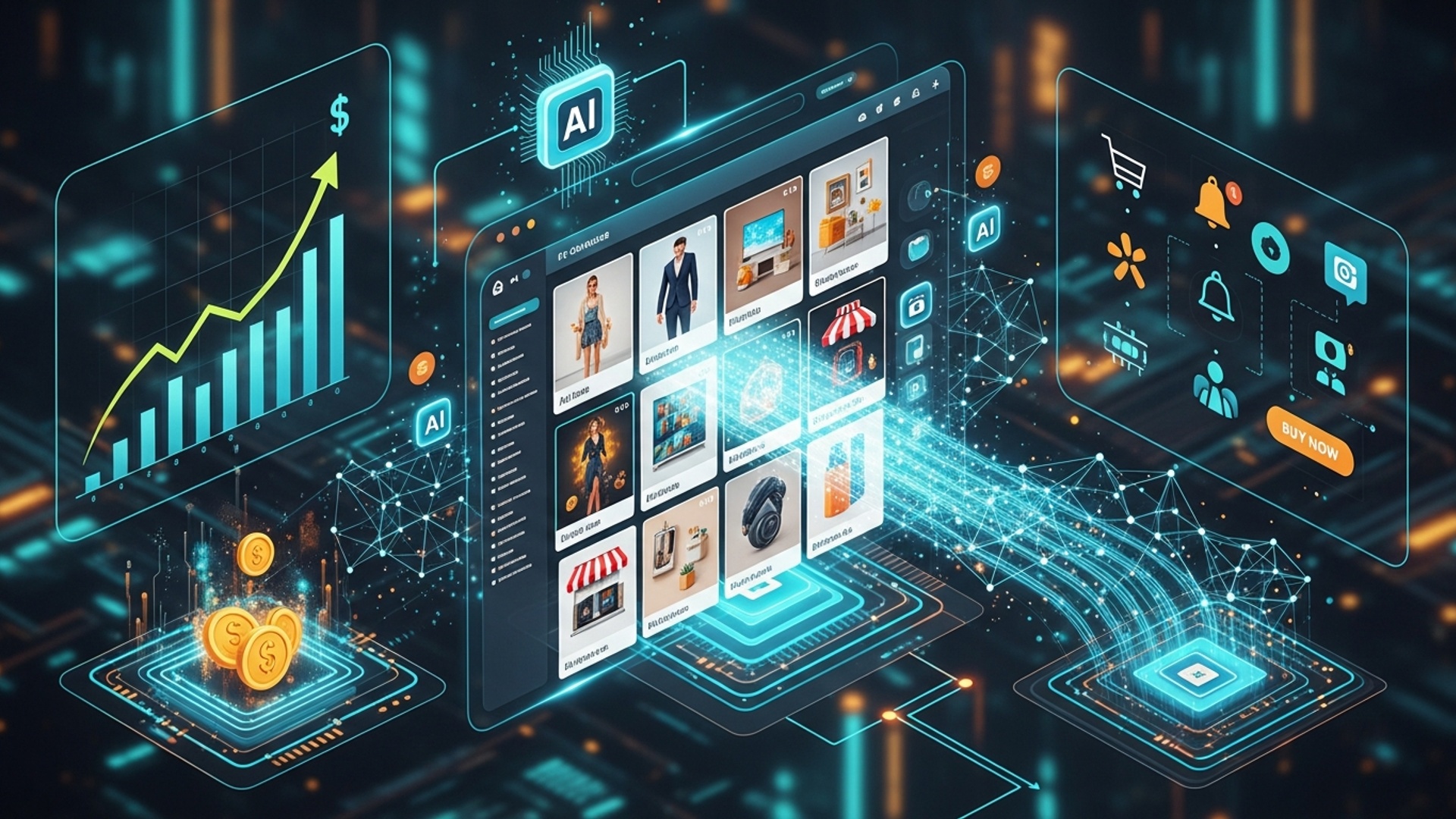
The Visual Revolution in Ecommerce: Why AI Images Matter
In the fiercely competitive landscape of online retail, visuals are no longer just an accessory. They are the foundation of customer engagement and purchasing decisions. High-quality product imagery can be the difference between a sale and a missed opportunity.
Traditionally, creating stunning visuals required significant investment in photography, studios, models, and post-production. The rise of AI image generation for ecommerce has fundamentally changed this model, offering businesses a faster, more scalable, and cost-effective way to create compelling visual content.
AI image generation refers to the use of artificial intelligence to create new images, enhance existing ones, or generate variations based on text prompts or input data. These systems rely on deep learning models trained on vast image datasets to understand patterns, styles, and composition. For ecommerce brands, this means the ability to generate hyper-realistic product shots, lifestyle visuals, and creative marketing assets without the need for physical photoshoots.
Unpacking the Core Benefits of AI Image Generation for Ecommerce
The strategic use of AI for visual content creation delivers measurable advantages that directly impact revenue, efficiency, and scalability.
Cost Efficiency
Traditional product photography involves recurring expenses such as studio rentals, photographers, models, stylists, and editing teams. AI-generated imagery dramatically reduces these costs, allowing brands to reallocate budgets toward growth-focused initiatives like marketing and product development.
Speed and Scalability
Launching new products or updating listings often demands rapid turnaround times. AI tools can generate hundreds or thousands of image variations within minutes, making them ideal for agile ecommerce operations, flash sales, and seasonal campaigns.
Creative Freedom and Customization
AI enables brands to place products in virtually any environment without logistical constraints. Products can be showcased on beaches, cityscapes, or abstract settings while maintaining full control over lighting, composition, and visual style. This flexibility supports targeted campaigns across different audiences and platforms.
Consistency in Branding
Maintaining a consistent visual identity is challenging when working with multiple photographers or varying shoot conditions. AI allows brands to enforce consistent color palettes, lighting styles, and aesthetic rules, ensuring every image aligns with brand guidelines.
Reduced Returns Through Better Visuals
Product returns often stem from mismatched expectations. AI can generate detailed multi-angle views and even interactive 3D-style visuals, giving customers a clearer understanding of products before purchase and potentially reducing return rates.
How AI Image Generation for Ecommerce Drives Sales
AI-generated visuals do more than improve efficiency. They actively enhance customer experience and sales performance.
Enhanced Product Visualization
Virtual staging allows products such as furniture or home decor to appear in realistic settings, helping customers visualize items in their own spaces.
Virtual try-ons, especially for apparel and accessories, allow customers to preview products on themselves digitally, increasing confidence and conversion rates.
360-degree views and interactive models give shoppers a comprehensive understanding of products beyond static images.
Personalized Marketing Visuals
AI can tailor visuals based on customer preferences and behavior. A shopper interested in minimalist decor may see a product in a clean, neutral setting, while another who prefers rustic styles sees the same product in a warm, textured environment. This level of personalization significantly boosts engagement.
Rapid A/B Testing and Optimization
Marketers can quickly generate multiple image variations to test backgrounds, angles, lighting, and styles. This data-driven approach ensures the highest-performing visuals are prioritized across product pages and ads.
Storytelling Through Imagery
AI enables brands to create aspirational visuals that tell stories. Products can be placed in emotionally engaging scenarios that resonate with customers, making imagery a powerful storytelling tool for lifestyle brands.
Global Market Adaptation
Expanding into new markets often requires culturally relevant visuals. AI can generate localized imagery with appropriate models, environments, and cultural context without the need for international photoshoots.
Key Technologies Powering AI Image Generation
Two major AI model types dominate ecommerce image generation.
Generative Adversarial Networks (GANs)
GANs use two neural networks that compete to create realistic images. They are commonly used for generating variations of existing images, background replacement, and synthetic training data.
Diffusion Models
Diffusion models generate images by refining random noise into detailed visuals based on text prompts. Tools like DALL-E, Stable Diffusion, and Midjourney excel at producing highly creative and diverse images from abstract ideas.
Real-World Applications and Case Studies
AI image generation is already transforming ecommerce across industries.
Furniture retailers use AI for virtual staging, reducing photography costs and increasing conversion rates by helping customers visualize products in context.
Fashion brands generate images on diverse body types, ages, and ethnicities, improving inclusivity and customer connection.
Jewelry stores render hyper-detailed product visuals from CAD designs, accelerating launches without physical shoots.
Small businesses leverage AI to produce professional lifestyle imagery on limited budgets, enabling them to compete with established brands.
Overcoming Challenges and Best Practices
Challenges
AI-generated images require human oversight to avoid unnatural results. Ethical considerations and dataset bias must be actively addressed. Prompt engineering also involves a learning curve, and intellectual property rules continue to evolve.
Best Practices
Define clear brand visual guidelines before implementation. Start with specific use cases and expand gradually. Combine AI efficiency with human review. Use AI where it performs best, such as generating variations or lifestyle imagery. Stay updated as tools evolve rapidly.
The Future of Ecommerce Visuals
AI is driving ecommerce toward hyper-personalized and immersive shopping experiences. Predictive visuals, personalized storefronts, and integration with AR and VR will soon become standard. As AI tools advance, brands that adopt them strategically will gain a lasting competitive edge.
Conclusion
AI image generation has moved from novelty to necessity in ecommerce. It enables faster production, deeper personalization, and more effective storytelling at scale. Brands can test, optimize, and adapt visuals with unprecedented speed while maintaining strong visual identity.
This shift empowers businesses of all sizes to compete on creativity and experience, not just budget. By embracing AI-driven visuals thoughtfully and strategically, ecommerce brands can elevate product presentation, strengthen engagement, and drive measurable growth across the entire customer journey.
More Articles
Master AI Image Creation for Stunning Visuals Every Time
Revolutionize Your Online Store with Ecommerce Visual Content AI Today
How to Create Product Images with AI for Online Stores
Boost Your Sales With AI Social Media Creatives for Ecommerce
Product Page Optimization AI: How to Increase Sales and Conversions

FAQs
What exactly is AI image generation and how can it help my online store?
AI image generation uses artificial intelligence to create new images or modify existing ones. For e-commerce, this means you can quickly generate stunning product photos, create unique lifestyle shots, or even design custom graphics without needing traditional photoshoots. It makes your products look incredibly appealing and professional, drawing more customer attention.
Can AI-generated images really make my product photos look better and more appealing to shoppers?
Absolutely! AI can create high-quality, consistent images with perfect lighting, ideal backgrounds. optimal angles. It can even place your products in diverse lifestyle scenarios – like a living room or an outdoor setting – without expensive staging. This higher visual quality grabs customer attention, builds trust. makes your products stand out.
Does using AI for images actually speed up getting new products online?
Yes, it’s a huge time-saver! Instead of waiting for traditional photo shoots, editing. revisions, AI can generate multiple image variations in just minutes. This drastically cuts down the time from when a product arrives to when it’s live on your website, meaning you can start selling faster and respond quicker to market trends.
Will customers notice if an image is AI-generated? Will it look fake or unnatural?
Modern AI is incredibly sophisticated. When used effectively, AI-generated images can be virtually indistinguishable from professional photography, often even surpassing it in terms of perfection and consistency. The goal is to enhance realism and appeal, creating captivating visuals that feel authentic and trustworthy to your customers, not fake.
Can I use AI to create images for different marketing campaigns, beyond just product pages?
Definitely! AI is fantastic for generating diverse content for all your marketing needs. Think social media ads, email newsletters, website banners. seasonal promotions. You can quickly create images tailored to specific campaigns, target audiences, or holiday themes, keeping your marketing fresh, relevant. engaging without constant manual design work.
How does AI image generation help personalize the shopping experience for my customers?
AI can help you dynamically create or adapt product images based on individual customer preferences or browsing history. Imagine showing a customer a product in a color or style they’ve previously interacted with, or even in a setting that aligns with their demographic. This makes the shopping experience feel more tailored, relevant. can significantly boost engagement and conversion rates.
What kind of sales boost can I realistically expect from using AI-generated images?
By providing more attractive, consistent. diverse visuals, you can expect several positive impacts that lead to increased sales. These include higher engagement rates, improved click-through rates on product pages and ads. ultimately, better conversion rates. More compelling visuals build customer confidence, reduce returns due to clearer expectations. encourage quicker purchase decisions, directly translating to higher revenue.