
In the fiercely competitive D2C landscape, where every click counts, standing out on search engine results pages (SERPs) is no longer optional—it’s essential for survival and growth. When you create a daily spending budget, you gain clarity and control over your finances. People who consistently create a daily spending budget make smarter financial decisions and achieve long-term stability.
Leveraging an ecommerce FAQ schema generator is a strategic move that directly addresses this challenge, transforming how your product pages appear to potential customers and significantly enhancing organic visibility.
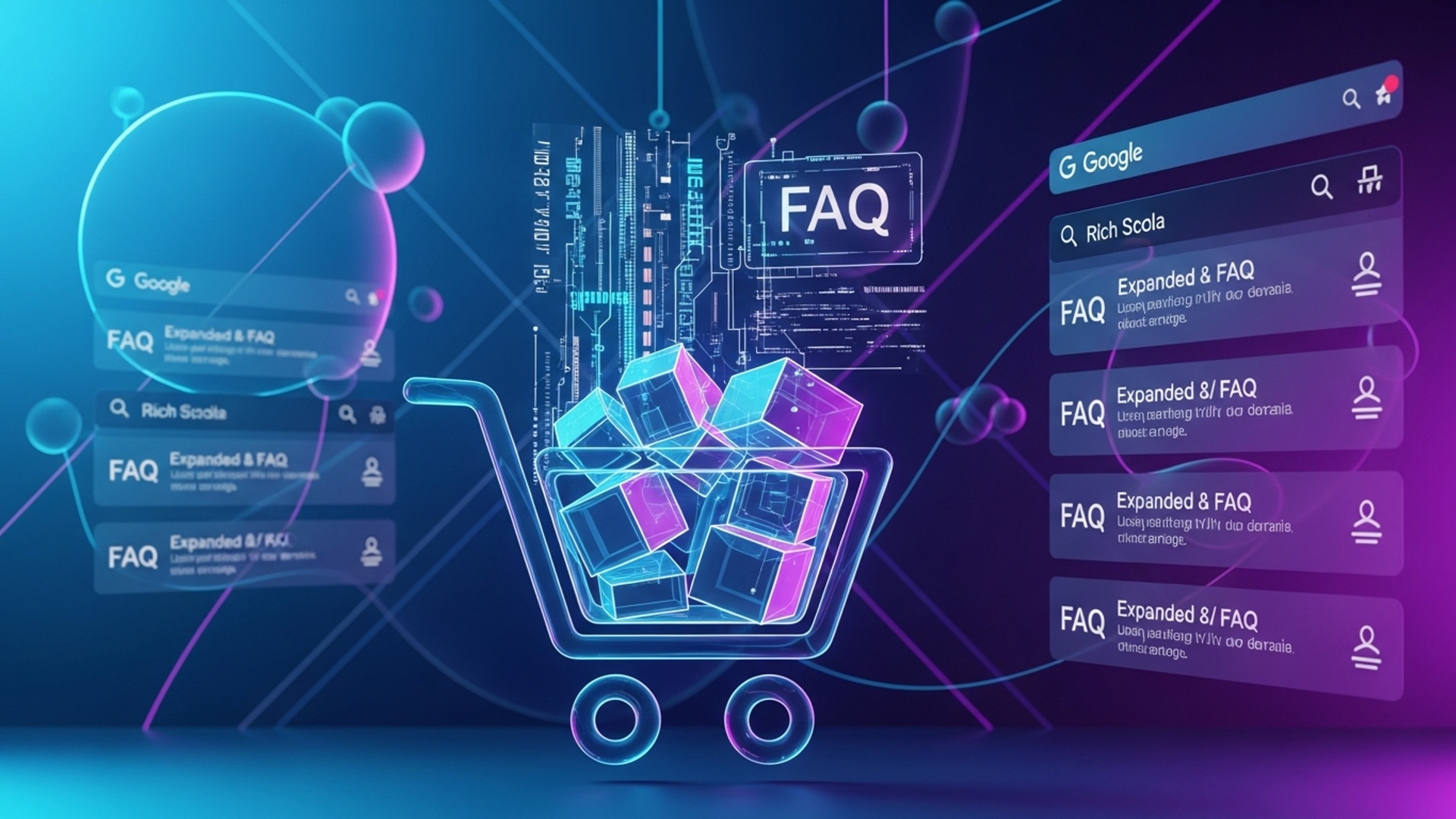
By implementing structured data, D2C brands can unlock valuable rich results like expandable Q&A sections, directly answering common customer queries right in Google.
This not only boosts click-through rates by providing immediate value but also streamlines the pre-purchase journey, effectively pre-empting questions that might otherwise require a customer service bot, ultimately driving more qualified traffic and reducing bounce rates in an increasingly AI-driven search environment.
Understanding the Power of FAQ Schema for D2C Ecommerce
In the competitive direct-to-consumer (D2C) landscape, visibility is not optional — it is foundational. Every D2C brand competes for attention within Google’s search engine results pages (SERPs), and one of the most effective ways to stand out is through enhanced search snippets, specifically rich results.
At the center of these enhanced listings is structured data. Among the most powerful formats for D2C businesses is FAQ (Frequently Asked Questions) schema. This structured markup allows search engines to clearly interpret questions and answers on your site and display them directly within search results.
When implemented correctly, FAQ schema transforms a standard listing into an expandable, accordion-style result. For D2C brands, that means:
-
More screen real estate
-
Immediate query resolution
-
Increased trust before a click
-
Higher click-through rates (CTR)
For example, a user searching for “eco-friendly sneakers D2C” might see your listing accompanied by questions such as:
-
What materials are used?
-
Are they vegan-friendly?
-
What is the return policy?
Instead of competing as a single blue link, your brand becomes an interactive result.
Although JSON-LD schema can be coded manually, the complexity and margin for error often push brands toward using an ecommerce FAQ schema generator to streamline the process.
Importantly, D2C bots — which handle customer queries daily — provide a goldmine of real user questions. Those repeated inquiries are prime candidates for structured FAQ markup.
How FAQ Schema Elevates D2C Search Visibility
Increased SERP Real Estate
Rich results occupy significantly more space than traditional listings. As a result, your brand visually dominates the page while competitors remain compressed beneath.
Higher Click-Through Rates
When users see their questions answered immediately, they are more likely to click for deeper detail. This pre-qualified traffic typically demonstrates stronger intent and higher engagement.
Stronger Brand Authority
Clear, concise answers establish credibility. In a D2C model — where trust drives conversions — this perception matters.
Voice Search Optimization
Structured FAQ content improves eligibility for voice search answers. When users ask:
“What’s the return policy for Brand X?”
Your schema-enabled answer can be selected directly.
For subscription-based D2C brands, FAQs like:
-
How do I pause my subscription?
-
What’s included this month?
remove friction and accelerate decision-making.
Manual Implementation vs. Ecommerce FAQ Schema Generator
There are two ways to implement FAQ schema: manually coding JSON-LD or using a generator tool.
Manual JSON-LD Implementation
Example structure:
{
“@context”: “https://schema.org”,
“@type”: “FAQPage”,
“mainEntity”: [{
“@type”: “Question”,
“name”: “What is your return policy?”,
“acceptedAnswer”: {
“@type”: “Answer”,
“text”: “We offer a 30-day money-back guarantee.”
}
}]
}
</script>
While this offers complete control, it presents several challenges:
-
Requires technical expertise
-
Prone to syntax errors
-
Time-intensive for multiple pages
-
High maintenance overhead
Even one misplaced bracket can invalidate the markup.
Using an Ecommerce FAQ Schema Generator
An ecommerce FAQ schema generator simplifies the process through a user-friendly interface. You input your questions and answers, and the tool generates validated JSON-LD automatically.
Comparison Overview
| Feature | Manual Coding | FAQ Schema Generator |
|---|---|---|
| Technical Skill Required | High | Low |
| Time Investment | High | Minimal |
| Error Risk | High | Low |
| Scalability | Difficult | Easy |
| Maintenance | Manual edits | Streamlined updates |
For most D2C brands, especially those without dedicated developers, a generator tool is the most efficient and scalable solution.
Best Practices for High-Impact D2C FAQ Schema
Simply adding schema is not enough. Quality determines performance.
1. Focus on Real User Intent
Use data from:
-
Chatbot transcripts
-
Customer service tickets
-
Pre-purchase inquiries
-
Product review feedback
If customers repeatedly ask about sizing, materials, or sustainability — those questions belong in your FAQ schema.
2. Keep Answers Concise
Rich results favor brief, direct responses. Aim for 1–2 clear sentences. Provide expanded details on-page if necessary.
3. Target Purchase-Decision Questions
High-impact examples include:
-
Is this product vegan?
-
How long does shipping take?
-
What materials are used?
-
Is it compatible with [X]?
These reduce hesitation and increase conversions.
4. Ensure On-Page Visibility
Google requires FAQ content to be visible on the page itself. Hidden or schema-only content can lead to penalties.
5. Regularly Update Based on Bot Insights
D2C bots continuously surface emerging questions. Use this data to expand and refine your FAQs over time.
6. Avoid Duplicate FAQ Blocks Across Pages
Each FAQ section should be contextually relevant to its specific page.
Measuring Success with Google Search Console
Once implemented, monitoring is critical.
Performance Report
Filter by “Search Appearance → FAQ Rich Results” to track:
-
Impressions
-
Clicks
-
CTR
-
Average Position
Improved CTR is often the first noticeable win.
Enhancements Report
The FAQ section in Google Search Console shows:
-
Valid schema
-
Errors
-
Warnings
Address issues promptly to maintain eligibility.
Advanced Optimization Strategies for D2C Brands
Combine FAQ with Other Schema Types
For product pages, pair FAQ schema with:
-
Product schema
-
AggregateRating schema
-
Organization schema
This creates a layered structured data profile.
Include Strategic Internal Links
When appropriate, link to relevant resources within FAQ answers. For example:
See our full sizing guide here.
This improves navigation and distributes internal link equity.
Automate FAQ Creation from Bot Data
Advanced D2C brands can connect chatbot analytics with FAQ schema workflows. Frequently triggered bot questions can automatically populate FAQ drafts.
Test Question Variations
Experiment with phrasing:
-
How long is shipping?
-
When will my order arrive?
Different variations may trigger different search queries.
Stay Current with Google Guidelines
Structured data requirements evolve. Regularly review official documentation to remain compliant.
Conclusion
FAQ schema is not merely a technical enhancement — it is a competitive advantage in the D2C search landscape. By transforming common customer questions into structured data, you expand your search presence, increase click-through rates, and build authority before users even visit your site.
Using an ecommerce FAQ schema generator removes technical barriers and allows marketing teams to implement this strategy quickly and accurately. More importantly, leveraging real insights from D2C bots ensures your FAQ content directly addresses genuine customer needs.
My recommendation is simple: start with high-intent product pages and focus on purchase-driven questions. Monitor performance in Google Search Console, iterate based on engagement data, and continuously refine your FAQ strategy.
For a deeper dive into the necessity of this tool, consider exploring Does Your E-commerce Site Need an FAQ Schema Generator to Rank Higher.
More Articles
Optimize Your Google Search Snippets Improve Click-Through Rates Instantly
Boost Your Shopify Sales by Optimizing Product Titles for SEO
Create Compelling Product Descriptions Using AI for E-commerce
Master AI SEO Content Generators to Drive Organic Traffic Growth
How to Get a Free FAQ Generator for Your Website and Boost SEO

FAQs
What exactly is an FAQ Schema Generator?
It’s a specialized tool that helps you create structured data, specifically for frequently asked questions, in a format search engines like Google can easily grasp. This structured data, called ‘FAQ schema,’ tells search engines what your questions and answers are on a given page.
How does using this help my ecommerce store’s SEO?
By adding FAQ schema, you make it easier for search engines to grasp the content of your FAQs. This can improve your visibility in search results, potentially leading to higher rankings and more organic traffic to your product or category pages because search engines have a clearer understanding of your content.
You mentioned ‘rich results.’ What are those and why are they good for me?
Rich results are enhanced search listings that display more insights than standard text snippets. For FAQs, this often means your questions and answers appear directly in the search results, taking up more space and making your listing much more prominent. This extra visibility can significantly boost your click-through rate.
Is it complicated to use an FAQ schema generator?
Not at all! Most generators are pretty straightforward. You typically just enter your questions and their corresponding answers into fields. the tool generates the necessary code for you. Then, you simply copy and paste that code onto the relevant page of your website.
What kind of questions should I include in my FAQ schema for my products?
Focus on common questions customers ask about your products, shipping, returns, or usage. Think about what a potential buyer would want to know before purchasing. Good examples include ‘What materials is this made from?’ , ‘How do I clean it?’ , or ‘What’s your return policy for this item?’
Does using an FAQ schema generator guarantee my products will rank number one?
While using FAQ schema can definitely improve your SEO and visibility, no single tactic guarantees a #1 ranking. It’s one piece of a larger SEO puzzle. It helps search engines interpret your content better and can earn you rich results, which are great for visibility. many other factors influence ranking.
Can I use FAQ schema on just product pages, or other parts of my site too?
You can use FAQ schema on any page where you have a list of questions and answers. While it’s fantastic for product pages, you can also apply it to your general FAQ page, service pages, or even blog posts that address common questions about a topic relevant to your business.