Struggling to produce high-quality, diverse product visuals at scale for your online store? The landscape of digital marketing is rapidly evolving, making ai image generation for ecommerce not just a trend. a vital tool for competitive brands. Generative AI, leveraging advanced diffusion models, now empowers businesses to bypass traditional photography constraints, creating hyper-realistic images from simple text prompts or existing product shots.
This revolutionizes content creation, offering unparalleled speed and cost-efficiency. Imagine crafting countless lifestyle variations or virtual staging setups for a single SKU in minutes, ensuring brand consistency and accelerating market entry for new products. Recent developments in models like Midjourney and DALL-E 3 have pushed the boundaries of photorealism and creative control, allowing ecommerce brands to generate stunning, unique visuals that resonate directly with target demographics.
This shift enables scalable content creation, ensuring your products always shine with fresh, compelling imagery without the logistical overhead.
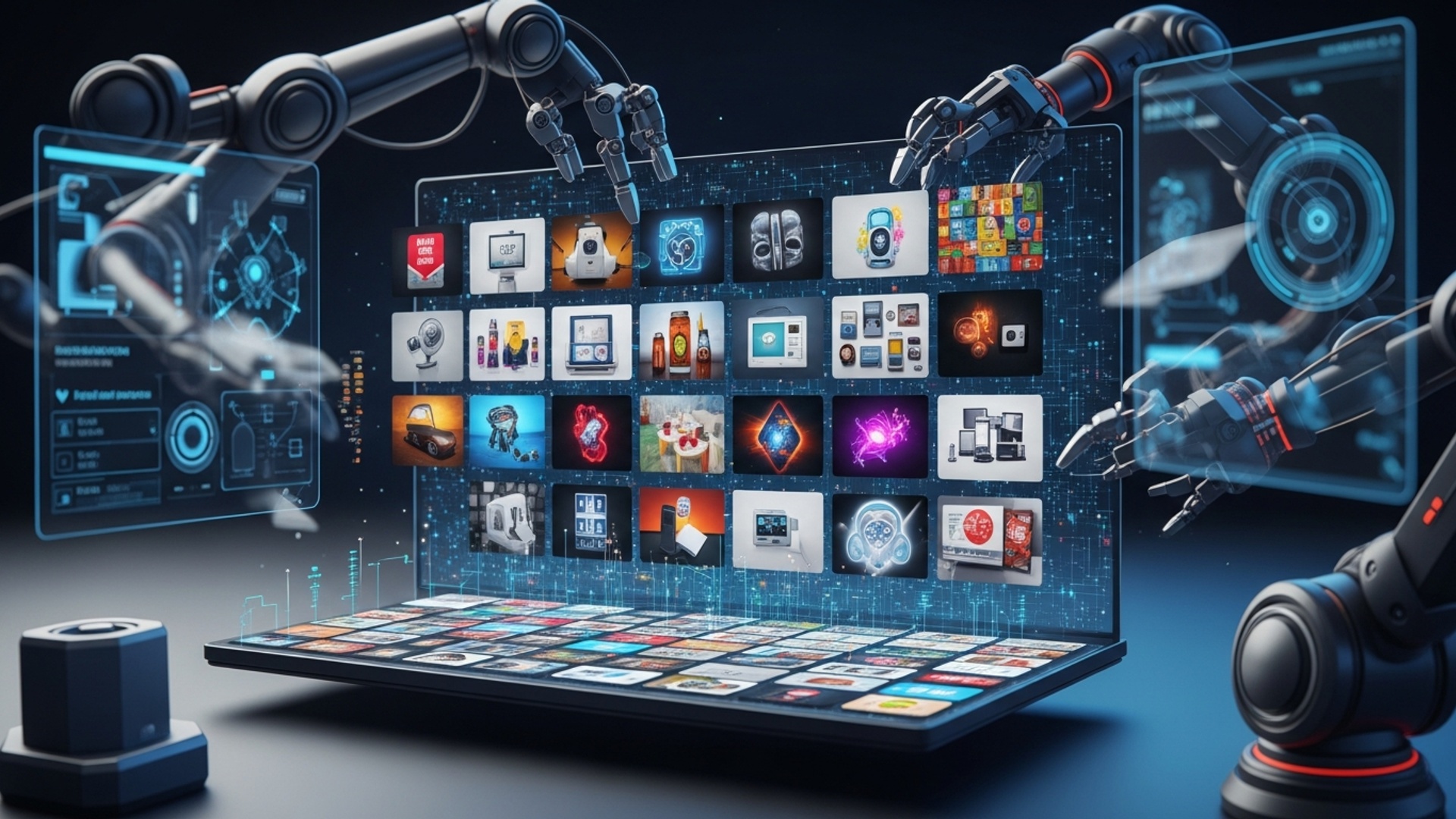
The Transformative Power of AI Image Generation for Ecommerce
In today’s competitive digital marketplace, strong product visuals are essential. Customers cannot touch or test products online. Instead, they rely on images to judge quality, value, and trustworthiness.
Traditionally, professional product photography required:
-
Studio rentals
-
Photographers and models
-
Styling and props
-
Post-production editing
Now, AI image generation for ecommerce is changing that model. Brands can create high-quality visuals faster and at a fraction of the cost.
What Is AI Image Generation?
AI image generation uses machine learning models to create images from text prompts or existing visuals. These systems learn patterns from large image datasets and generate new visuals based on instructions.
For example:
“A sleek silver watch on a white marble table with soft studio lighting.”
Within seconds, the AI produces multiple realistic variations.
Core Technologies Behind AI Image Generation
Generative Adversarial Networks (GANs)
GANs use two neural networks:
-
A generator that creates images
-
A discriminator that evaluates realism
The system improves continuously until images look highly realistic.
Diffusion Models
Diffusion models refine random visual noise into detailed images. They produce high-quality, photorealistic results and power many modern AI tools.
Popular tools include:
-
Midjourney
-
DALL-E
-
Stable Diffusion
Why AI Image Generation Is a Game-Changer for E-commerce
1. Significant Cost Savings
Eliminate or reduce expenses related to:
-
Studio sessions
-
Model hiring
-
Location rentals
-
Prop styling
This is especially valuable for large catalogs.
2. Faster Time to Market
Generate hundreds of variations in minutes. Launch products quickly without waiting for production schedules.
3. Unlimited Customization
Instantly create visuals for:
-
Seasonal campaigns
-
Different demographics
-
Holiday promotions
-
Regional marketing
4. Brand Consistency
Maintain consistent lighting, backgrounds, and style across all SKUs.
5. Creative Flexibility
Test bold visual ideas without financial risk. Experimentation becomes easy and scalable.
Real-World Applications for E-commerce Brands
AI image generation extends beyond simple product shots.
Virtual Lifestyle Staging
Place products into realistic environments.
Example prompt:
Product Variations
Show multiple colors and configurations without separate photoshoots.
Example prompt:
Seasonal Campaign Imagery
Quickly adapt visuals for:
-
Summer launches
-
Winter promotions
-
Holiday campaigns
A/B Testing Visuals
Generate multiple backgrounds and lighting setups. Test which image drives higher conversions.
AR and 3D Integration
AI-generated models can support augmented reality experiences. Customers can preview products in their own environment.
How to Implement AI Image Generation Effectively
Step 1: Define Your Visual Direction
Clarify:
-
Mood
-
Lighting style
-
Brand tone
-
Target audience
Clear direction improves output quality.
Step 2: Choose the Right Tool
General tools like Midjourney and DALL-E work well for creative scenes.
Specialized ecommerce AI platforms focus on:
-
Background replacement
-
Virtual staging
-
SKU variation generation
Step 3: Master Prompt Engineering
Strong prompts include:
-
Product details
-
Environment
-
Lighting
-
Style
-
Camera angle
-
Mood
Example structured prompt:
Step 4: Iterate and Refine
Generate multiple options. Adjust wording for improved realism or brand alignment.
Step 5: Perform Quality Control
Ensure:
-
Colors match the real product
-
Textures appear accurate
-
Dimensions are realistic
Misleading visuals can increase returns.
Comparing AI Tools for E-commerce
| Feature | General AI Tools | E-commerce AI Tools |
|---|---|---|
| Primary Focus | Creative and artistic visuals | Product-focused imagery |
| Ease of Use | Requires detailed prompts | Templates for product use |
| Input | Text-based prompts | Often product image uploads |
| Output | Highly creative | Optimized for commercial realism |
| Best For | Campaign visuals | Catalog and SKU visuals |
Best Practices for High-Converting AI Images
-
Start with high-resolution product images
-
Maintain brand consistency
-
Optimize image size for fast loading
-
Test multiple variations
-
Monitor engagement and conversion data
Ethical Considerations
Be mindful of:
-
Accurate product representation
-
Diversity in AI-generated human models
-
Licensing terms of AI platforms
Transparency builds trust.
Conclusion
AI image generation for ecommerce is not just a cost-saving tool. It is a strategic advantage.
It enables brands to:
-
Launch faster
-
Test more
-
Personalize visuals
-
Maintain consistency
-
Increase conversions
Treat AI as a creative partner. Experiment with prompts. Test variations. Monitor performance.
In a crowded digital marketplace, brands that use AI intelligently will stand out visually and convert more customers.
More Articles
Boost Your Ecommerce Sales Using AI Image Generation for Products
Unlock Creative Power How to Generate Amazing AI Images Effortlessly
How to Create Stunning Ecommerce Product Images with AI (Beginner to Pro Guide)
How AI-Generated Marketing Images Transform Your Brand’s Online Presence Easily
Unlock Higher Sales Essential Ecommerce Conversion Optimization Tips For Success

FAQs
What’s the big deal with using AI for my product images?
It’s a game-changer! Instead of expensive photo shoots or hours in Photoshop, AI lets you create amazing, professional-looking product photos with diverse backgrounds and styles in minutes, all from your existing product shots. It saves you time, money. gives your brand a fresh, polished look.
Okay. how does this AI magic actually work?
You typically upload your product photo. the AI takes over. It can intelligently remove backgrounds, place your product in various realistic scenes (like a modern kitchen, a tropical beach, or a stylish studio), change lighting. even generate entirely new backdrops that perfectly fit your brand’s aesthetic or a specific campaign.
Do I need to be a tech wizard or a pro photographer to use this?
Absolutely not! These tools are designed to be super user-friendly. You usually just upload your image, pick a style or describe what you want. the AI does the heavy lifting. No complex software or advanced design skills are required, making it accessible for everyone.
So, what kinds of cool images can I actually make with AI?
You’re only limited by your imagination! You can place your product in different lifestyle settings, create clean studio shots, generate seasonal themes, or even experiment with abstract and artistic backdrops. It’s perfect for showing your product in context, creating eye-catching visuals for social media, or refreshing your product listings.
You say ‘instantly,’ but how fast is this really?
Pretty darn fast! Once you’ve uploaded your image and chosen your desired look or given a prompt, the AI often generates new options in seconds to a few minutes. It’s a massive time-saver compared to traditional photography or manual editing processes, letting you iterate quickly.
Will the images generated by AI look fake or too perfect to be real?
Modern AI is incredibly sophisticated. It’s designed to create highly realistic and natural-looking images, complete with accurate shadows, reflections. context. You can often fine-tune settings to ensure the lighting and overall aesthetic perfectly match your product and brand, making them virtually indistinguishable from professional photos.
Is this just for big companies, or can small businesses use it too?
Nope, it’s for everyone! AI product image tools are particularly beneficial for small to medium-sized businesses, startups. individual sellers who might not have the budget for elaborate photo shoots or dedicated design teams. It levels the playing field, allowing anyone to have stunning visuals that compete with larger brands.