The relentless demand for fresh, captivating product imagery presents a significant hurdle for online stores, often draining resources and time. Thankfully, the revolutionary power of ecommerce visual content AI is transforming this challenge into an unparalleled opportunity.
Imagine effortlessly generating diverse lifestyle scenes, new product angles, or even A/B testing multiple visual concepts instantly, all powered by advanced AI image generation models like DALL-E 3 or Midjourney.
This isn’t just about efficiency; it’s about unlocking new levels of personalization and engagement, allowing brands to dynamically refresh their digital storefronts and capture consumer attention in a crowded marketplace, ultimately boosting conversion rates.
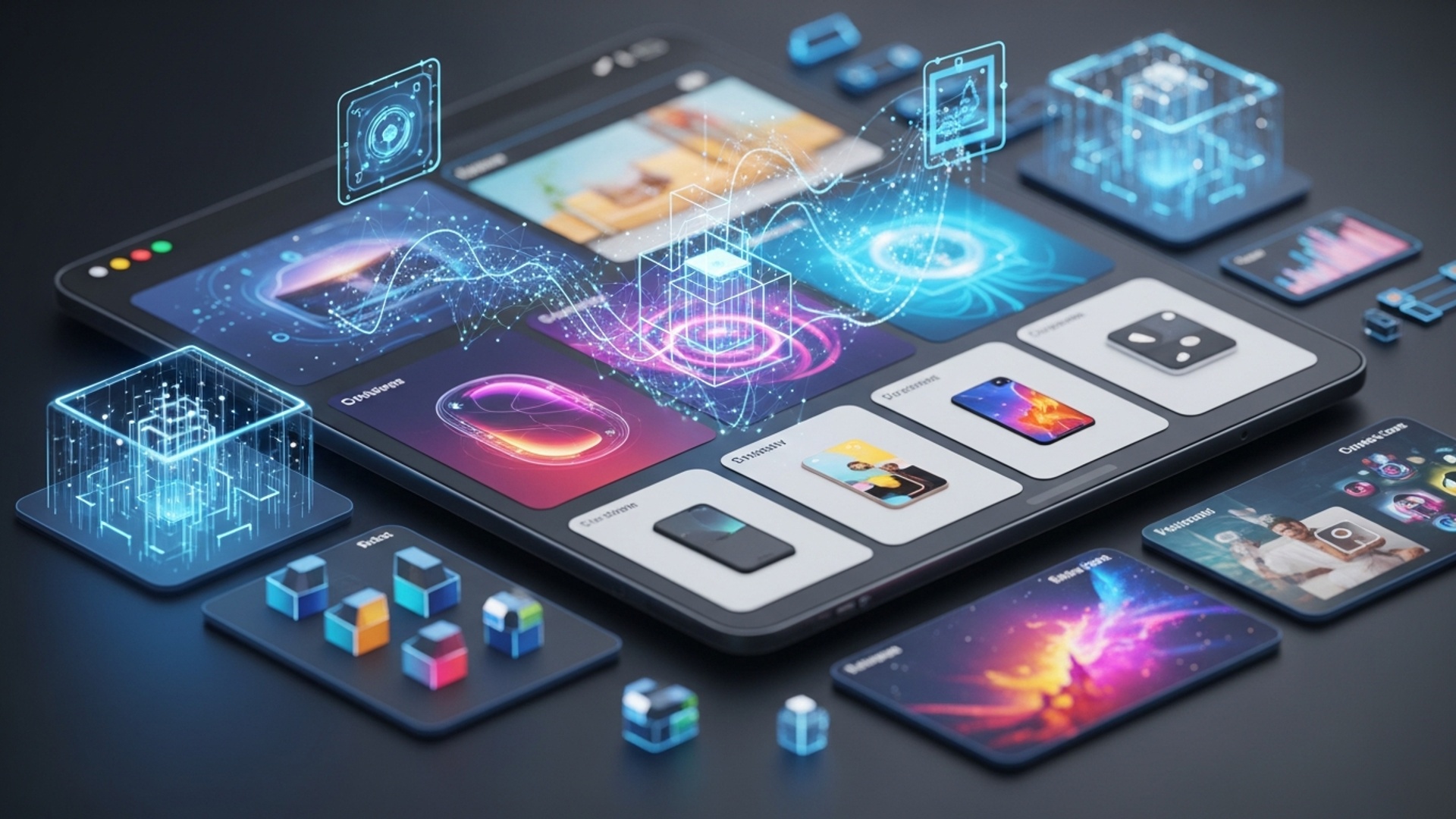
The Imperative of Visuals in Modern E-commerce
In today’s competitive digital marketplace, visual content directly influences buying decisions. Customers cannot touch or test products online. Instead, they rely on images, videos, and interactive visuals to evaluate quality and relevance.
High-quality product visuals:
-
Capture attention
-
Build trust
-
Communicate product value
-
Reduce uncertainty
-
Increase conversion rates
This is where ecommerce visual content AI becomes transformative. AI enables brands to generate, enhance, and personalize visuals at scale without relying entirely on expensive photoshoots.
How AI Powers Visual Content in Ecommerce
AI-driven visual tools use advanced machine learning models to create or enhance images. These systems can generate visuals from text prompts, edit existing photos, or dynamically personalize content.
Generative Adversarial Networks (GANs)
GANs use two neural networks:
-
A generator that creates images
-
A discriminator that evaluates realism
Through continuous competition, the generator improves until the output looks realistic.
Diffusion Models
Diffusion models power many modern AI image tools. They work by gradually refining noise into detailed, photorealistic images based on text instructions.
These models are behind platforms like:
-
Midjourney
-
DALL-E
-
Stable Diffusion
Computer Vision
Computer vision enhances existing visuals through:
-
Background removal
-
Object detection
-
Image upscaling
-
Quality optimization
Together, these technologies streamline ecommerce visual production.
Transforming Product Imagery with AI
AI tools dramatically expand what ecommerce brands can achieve visually.
Automated Background Removal
AI instantly removes cluttered backgrounds and replaces them with:
-
Clean white backdrops
-
Branded textures
-
Lifestyle environments
This creates consistency across product listings.
AI-Generated Lifestyle Scenes
Instead of organizing complex photoshoots, brands can generate product-in-context images using prompts.
For example:
The result is a realistic lifestyle image without staging costs.
Virtual Try-On Experiences
AI enables shoppers to see products on:
-
Different body types
-
Various skin tones
-
Multiple environments
This is especially impactful in fashion, eyewear, and cosmetics.
Custom Product Visualization
For configurable products, AI can generate visuals reflecting:
-
Color changes
-
Material selections
-
Engravings
-
Size variations
Customers receive instant visual feedback before purchase.
Image Enhancement and Upscaling
Low-quality images can be sharpened and optimized automatically. This ensures visual consistency across catalogs.
Personalization at Scale
One of the strongest advantages of ecommerce visual content AI is dynamic personalization.
Demographic-Specific Imagery
AI can generate models representing diverse audiences. Customers feel more connected when they see relatable representation.
Context-Based Visuals
AI can adjust visuals depending on:
-
Geographic location
-
Climate
-
Browsing history
-
Past purchases
For example, winter coats displayed in snowy settings for cold regions and urban city scenes for metropolitan shoppers.
Visual A/B Testing
AI allows brands to generate multiple variations quickly. Retailers can test:
-
Different backgrounds
-
Lighting styles
-
Lifestyle settings
-
Color grading
The highest-performing visuals can then be scaled.
Economic Impact: AI vs Traditional Photography
| Factor | Traditional Photography | AI Visual Content |
|---|---|---|
| Cost | High production expenses | Tool subscription cost |
| Speed | Weeks | Minutes to hours |
| Scalability | Logistically limited | Highly scalable |
| Creative Flexibility | Physically constrained | Nearly unlimited |
| Iteration Speed | Slow | Instant |
AI significantly reduces time to market.
Practical Implementation Steps
If you are integrating ecommerce visual content AI, follow a structured approach.
1. Audit Current Visual Assets
Identify:
-
Products with outdated images
-
Categories lacking lifestyle visuals
-
Inconsistent backgrounds
2. Experiment with AI Tools
Test platforms like:
-
Midjourney
-
DALL-E
-
Stable Diffusion
Explore both standalone generators and ecommerce-focused AI tools.
3. Develop Prompt Guidelines
Clear prompts improve results.
Example structured prompt:
4. Start with Supplementary Visuals
Use AI for:
-
Social media visuals
-
Blog headers
-
A/B test images
Gradually expand into core product imagery.
5. Monitor Performance
Track:
-
Click-through rate
-
Conversion rate
-
Bounce rate
-
Time on page
Let data determine expansion strategy.
Challenges to Consider
AI adoption requires balance.
Authenticity
Ensure visuals accurately reflect the real product to avoid returns and dissatisfaction.
Ethical Concerns
Be mindful of:
-
Representation bias
-
Copyright issues
-
Transparency in AI usage
Quality Control
Human review remains essential. AI outputs may occasionally contain subtle inconsistencies.
The Future of AI in Ecommerce Visuals
The next phase of ecommerce visual content AI includes:
-
Real-time visual personalization
-
Augmented reality product placement
-
Interactive 3D rendering
-
AI-powered video generation
-
Dynamic product page visuals based on user behavior
AI will not replace creativity. It will amplify it.
Conclusion
Ecommerce visual content AI is more than an efficiency tool. It is a strategic growth driver.
Brands that leverage AI for:
-
Faster iteration
-
Personalized visuals
-
Scalable lifestyle content
-
Continuous testing
will outperform competitors in engagement and conversion.
Start experimenting with AI-generated product environments, personalized imagery, and lifestyle scenes. Measure results carefully and refine your approach.
The future of ecommerce is visual, intelligent, and adaptive. Those who embrace AI now will lead tomorrow’s digital marketplace.
More Articles
Boost Your Ecommerce Sales Using AI Image Generation for Products
Unlock Creative Power How to Generate Amazing AI Images Effortlessly
How AI-Generated Marketing Images Transform Your Brand’s Online Presence Easily
How to Create Stunning Ecommerce Product Images with AI (Beginner to Pro Guide)

FAQs
What exactly is AI visual content. how does it differ from regular visuals?
AI visual content involves using artificial intelligence tools to generate, optimize, or personalize images, videos. graphics for your online store. Unlike traditional methods where a human designs everything from scratch, AI can quickly create variations, suggest improvements, or even generate entirely new visuals based on data and trends, often at a larger scale and faster pace.
How can smart AI visual strategies actually boost my online store’s sales?
AI helps by making your product visuals more engaging and relevant to individual shoppers. It can optimize images for different platforms, personalize product recommendations with tailored visuals, create stunning lifestyle shots without a photoshoot, or even test which visuals perform best, all leading to higher conversion rates and increased sales.
Do I need to be a tech wizard to implement these AI tools for my store?
Not at all! Most modern AI visual content tools are designed with user-friendly interfaces. Many are plug-and-play or offer guided setups, meaning you don’t need deep technical knowledge to start seeing benefits. If you can upload an image, you can likely use these tools.
What types of visual content can AI help me create or improve?
AI is incredibly versatile. It can help with product image background removal, generating lifestyle scenes, creating product variations (e. g. , different colors or materials), optimizing image sizes and formats for faster loading, personalizing video snippets. even generating ad creatives for social media campaigns.
Is this only for big businesses, or can small online stores benefit too?
Absolutely not just for big businesses! Small online stores can benefit immensely, often even more so, as AI can democratize access to high-quality visual content that might otherwise be too expensive or time-consuming to produce manually. It helps level the playing field by providing professional-grade visuals on a budget.
How quickly can I expect to see results after implementing AI visual strategies?
The timeline can vary. many businesses start seeing positive impacts within weeks or a couple of months. Things like improved website loading speed due to optimized images can be immediate. Higher engagement and conversion rates often follow as you implement more personalized and compelling visual content.
What’s the biggest advantage of using AI for my store’s visuals over traditional methods?
The biggest advantage is scalability and personalization. AI allows you to produce a vast amount of high-quality, diverse. highly personalized visual content much faster and more cost-effectively than traditional methods. This means you can cater to individual customer preferences, test more creative ideas. adapt to market trends with unprecedented agility, ultimately driving better sales performance.