In today’s fiercely competitive e-commerce landscape, direct-to-consumer (D2C) brands must master efficiency and personalization to truly thrive. Strategic adoption of d2c automation software is no longer optional. It has become a critical growth lever for brands that want to scale without burning out teams or sacrificing customer experience.
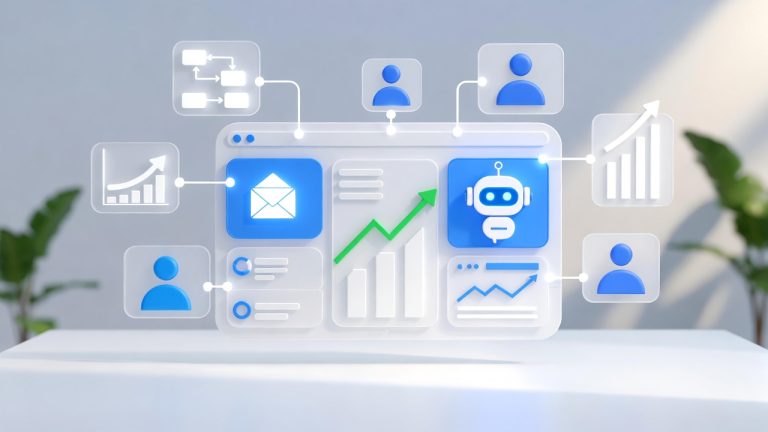
Modern automation and AI-powered platforms help D2C brands move beyond manual operations by enabling predictive inventory planning, hyper-personalized customer journeys, automated customer support, and real-time data insights. The result is a leaner operation, happier customers, and a business that can grow without operational chaos.
This guide breaks down how d2c automation software works, where it delivers the most value, and how to implement it strategically.
Why Automation Is No Longer Optional for D2C Brands
The D2C model gives brands full control over customer relationships, pricing, data, and brand storytelling. But that control also comes with operational complexity.
As order volumes increase and customer expectations rise, manual workflows quickly become bottlenecks. Brands that rely heavily on spreadsheets, disconnected tools, or human-heavy processes struggle to scale profitably.
This is where d2c automation software becomes a competitive advantage.
By automating repetitive workflows and intelligently connecting data across systems, automation enables brands to:
-
Respond faster to customer needs
-
Reduce operational errors
-
Scale without proportional hiring
-
Deliver consistent, personalized experiences
Industry leaders frequently highlight automation as a key driver of modern commerce efficiency, including research from Salesforce’s insights on digital commerce transformation, which consistently emphasize automation and personalization as core growth pillars.
Core Pillars of D2C Automation Software
Effective d2c automation software typically spans multiple interconnected areas of the business. Understanding these pillars helps brands prioritize implementation.
1. Marketing Automation
Marketing automation focuses on delivering the right message at the right time, without manual effort.
Key capabilities include:
-
Automated email and SMS flows
-
Behavior-based segmentation
-
Personalized content delivery
-
Cart abandonment recovery
Platforms inspired by best practices outlined in HubSpot’s marketing automation framework show how automation directly improves engagement and conversion rates when personalization is applied correctly.
2. Customer Service Automation
Customer expectations for instant support are higher than ever. Automation helps meet those expectations without inflating support costs.
Common features include:
-
AI-powered chatbots
-
Automated ticket routing
-
Self-service knowledge bases
-
Order and delivery status automation
According to Zendesk’s customer experience research, faster response times are strongly correlated with higher retention, especially for D2C brands.
3. Operations and Logistics Automation
This pillar directly impacts profitability.
Automation supports:
-
Inventory tracking and forecasting
-
Order processing and fulfillment
-
Shipping and returns management
-
Supplier and warehouse coordination
When paired with predictive analytics, automation reduces both overstocking and stockouts, two major revenue drains for D2C businesses.
4. Data Analytics and Reporting Automation
Automation is only powerful when paired with insights.
Modern d2c automation software automatically:
-
Collects data across touchpoints
-
Identifies trends and anomalies
-
Surfaces actionable insights via dashboards
Tools aligned with principles shared by McKinsey’s data-driven operations research show that companies using advanced analytics outperform competitors on both efficiency and growth.
How D2C Automation Software Improves Customer Experience
Customer experience is where automation delivers the most visible ROI.
Personalized Recommendations at Scale
AI-driven recommendation engines analyze browsing history, purchase behavior, and preferences to surface highly relevant products.
Example:
A customer who regularly buys organic skincare products is automatically shown eco-friendly launches instead of generic bestsellers.
Always-On Customer Support
Chatbots powered by natural language processing handle repetitive questions instantly, while human agents focus on complex cases.
This improves response time without increasing support headcount.
Proactive Communication
Automation enables:
-
Shipping and delivery updates
-
Low-stock alerts
-
Personalized offers triggered by behavior
This aligns with consumer expectations outlined in Google’s customer journey research, which emphasizes proactive, relevant communication as a trust driver.
Streamlining Operations with D2C Automation Software
Operational efficiency is the foundation of sustainable D2C growth.
Inventory Management Automation
Automation tracks stock in real time, forecasts demand, and triggers replenishment before issues arise.
This reduces:
-
Lost sales from stockouts
-
Cash tied up in excess inventory
Order Fulfillment Automation
From order validation to shipping label creation, automation reduces errors and speeds up delivery.
A simplified automated flow looks like this:
-
Customer places an order
-
Inventory updates automatically
-
Warehouse pick list is generated
-
Shipping label and tracking are created
-
Customer receives automated updates
The entire process runs with minimal human intervention.
What to Look for in D2C Automation Software
Not all automation tools are built for D2C. When evaluating platforms, focus on:
-
Seamless integrations with your e-commerce stack
-
Scalability as order volume grows
-
AI-driven features, not just rule-based automation
-
Customizable workflows
-
Strong analytics and reporting
-
Data security and compliance
Many brands reference Shopify’s automation ecosystem guidelines when choosing tools that fit D2C-specific workflows.
How to Implement D2C Automation Successfully
1. Audit Existing Workflows
Identify repetitive tasks, bottlenecks, and error-prone processes.
2. Define Clear Goals
Examples:
-
Reduce support response time by 40%
-
Increase repeat purchases by 15%
-
Improve fulfillment speed
3. Start Small
Begin with high-impact areas like customer support or email automation before expanding.
4. Train Your Team
Automation works best when teams understand how to use it and trust the system.
5. Monitor and Optimize
Automation is not “set and forget.” Review performance regularly and refine workflows.
Common Challenges and How to Overcome Them
Data Silos
Choose platforms with strong integration or unified data layers.
Change Resistance
Position automation as a productivity enhancer, not a job threat.
Measuring ROI
Track metrics like conversion rate, customer retention, cost savings, and response times.
Insights from Harvard Business Review’s automation studies consistently show that companies that tie automation to measurable outcomes achieve higher long-term returns.
Conclusion
D2C automation software is no longer just an operational upgrade. It is a growth strategy.
By automating repetitive tasks, personalizing customer journeys, and unlocking real-time insights, D2C brands gain the agility needed to compete and scale sustainably. I’ve seen brands dramatically reduce operational friction simply by automating order updates and customer support, freeing teams to focus on innovation and relationship-building.
If you’re starting out, automate one workflow first. Watch the impact. Then expand.
The future of D2C belongs to brands that combine human creativity with intelligent automation. Those who embrace it early will define the next generation of direct-to-consumer success.
More Articles
Discover How D2C Automation Software Can Transform Your Brand Operations
Implement Smarter Automation Discover Proven Best Practices for Your Business
Automated Content Creation Tools for Scalable, Data Driven Growth
Boost Your Business How AI-Driven Insights Lead to Smarter Decisions
Effective Online Marketing Strategies That Drive Sustainable Growth

FAQs
What exactly is “smart automation” for D2C brands?
It’s about using specialized software to automatically handle repetitive, time-consuming tasks across your business. Think order processing, customer service responses, inventory updates, personalized marketing emails. more, all running smoothly in the background.
How can these software solutions really help my brand grow faster?
By automating routine work, you free up your team to focus on strategic initiatives like product development, brand building. customer engagement. It also improves efficiency, reduces errors, enhances customer experiences. allows you to scale operations without proportionally increasing manual effort.
Is this just for marketing, or does it cover other business areas too?
While marketing automation is a big part of it, smart automation extends far beyond. It can streamline operations in areas like inventory management, order fulfillment, customer support, data analysis. even finance, creating a more integrated and efficient business.
What specific tasks or operations can smart automation take off my plate?
A lot! This could include sending abandoned cart reminders, automating follow-up emails post-purchase, updating stock levels across channels, segmenting customer lists, generating reports, managing returns processes. even personalized product recommendations.
Sounds complicated. Is it hard to implement or use this kind of software?
Not necessarily. Many modern automation platforms are designed with user-friendly interfaces and offer integrations with existing D2C tools. While there’s an initial setup, the goal is to simplify your operations, not complicate them. Most providers offer support and resources to get you started.
How do I figure out if my D2C brand actually needs smart automation right now?
If your team is constantly bogged down by repetitive tasks, struggling to keep up with customer inquiries, experiencing delays in order processing, or finding it hard to personalize customer experiences at scale, then it’s a strong indicator that smart automation could be highly beneficial.
What kind of results can a D2C brand typically expect from using smart automation?
Brands often see improved operational efficiency, reduced labor costs, fewer errors, higher customer satisfaction due to faster service and personalization. ultimately, increased sales and revenue. It helps create a smoother, more responsive customer journey.