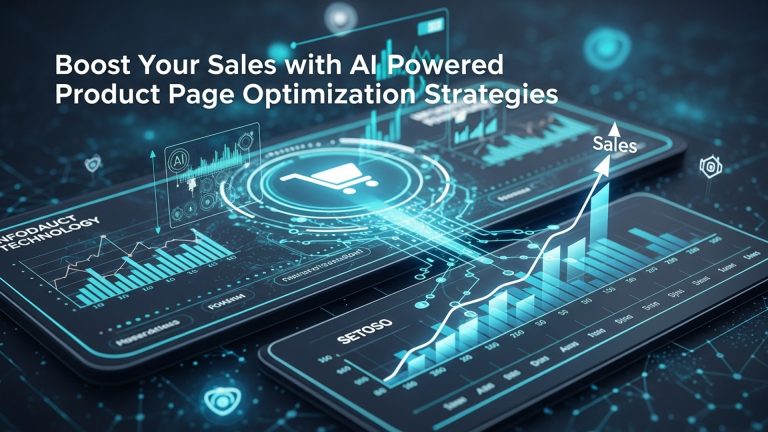
In today’s highly competitive D2C landscape, mastering product page optimization AI is no longer optional; it’s the strategic imperative for brands aiming to convert browsers into loyal customers. Leveraging advanced analytics, AI now precisely identifies friction points and predicts user intent on your digital storefronts, transforming static pages into dynamic conversion engines.
This technology moves beyond traditional A/B testing, offering real-time, data-driven insights to personalize product presentations, refine imagery, optimize descriptions. streamline the path to purchase.
For D2C businesses, this translates directly into significantly reduced shopping cart abandonment and elevated conversion rates by delivering hyper-relevant, captivating experiences that resonate with individual customer preferences, ensuring every visitor encounter is maximized for revenue growth.
The D2C Imperative: Transforming Your Digital Shopfront with AI
In the competitive world of direct-to-consumer commerce, a product page is far more than a digital display. It functions as your primary salesperson, your brand storyteller, and often the decisive factor between a bounce and a conversion. For D2C brands, every interaction matters, and the journey from discovery to purchase depends heavily on how compelling and relevant each product page feels to the individual visitor.
Traditionally, product page optimization relied on manual A/B testing, broad analytics, and educated guesswork. While effective to a degree, these methods are slow and limited in scope. Today, product page optimization powered by artificial intelligence enables D2C brands to move beyond generic experiences and deliver personalized, high-converting product pages at scale.
AI allows brands to understand individual intent, predict preferences, and dynamically adapt product page elements in real time. This shift is not about incremental improvement. It represents a fundamental change in how products are presented and sold online, ensuring every visitor sees the most persuasive version of the page tailored specifically to them.
Understanding Product Page Optimization AI in D2C
Artificial intelligence and machine learning are no longer abstract concepts. In D2C ecommerce, they are practical systems that analyze large volumes of data to make real-time decisions. These systems process customer behavior, browsing patterns, purchase history, demographics, and product attributes to uncover patterns that humans simply cannot identify at scale.
Product page optimization AI continuously learns from each interaction. Unlike traditional optimization, which applies one winning version to everyone, AI personalizes the experience at an individual level. One visitor may respond better to lifestyle imagery, while another prefers technical product details. AI detects these preferences automatically and serves the most effective combination of content in real time.
This approach transforms static product pages into adaptive experiences that evolve continuously based on live customer behavior.
Traditional Optimization vs AI-Driven Personalization
The difference between manual optimization and AI-powered optimization is substantial.
Traditional A/B testing compares a small number of variations and requires significant traffic and time to reach conclusions. It typically optimizes one element at a time and applies the same result to broad user segments.
AI-driven optimization works continuously. It tests multiple elements simultaneously, adapts instantly, and personalizes the experience for each individual visitor. Learning happens autonomously, without waiting for statistical thresholds or manual intervention.
For D2C brands, this means faster insights, deeper personalization, and significantly higher conversion potential.
Core Strategies for AI-Powered D2C Product Pages
AI optimization succeeds when applied strategically across key product page elements.
Dynamic Content Personalization
AI can adjust product descriptions, visuals, and messaging based on visitor behavior and intent. A sustainability-focused shopper may see material sourcing and environmental impact emphasized, while another visitor sees durability or design versatility highlighted.
Intelligent Visual Optimization
Hero images and videos can be dynamically swapped based on audience preferences. A furniture brand might show a minimalist room setup to one visitor and a family-oriented environment to another, increasing emotional relevance and engagement.
Personalized Social Proof
AI selects and displays reviews and testimonials that are most likely to influence a specific visitor. This increases trust and reduces purchase hesitation.
Advanced Product Recommendations
AI-powered recommendations go beyond simple product affinity. They consider context, browsing behavior, intent signals, and even timing to suggest complementary or upgraded products that increase average order value.
Predictive Pricing and Promotions
AI can identify hesitation and price sensitivity, triggering targeted discounts, bundles, or incentives for specific visitors without eroding overall margins.
Dynamic Call-to-Action Optimization
Button text, color, placement, and urgency cues can be personalized based on visitor type. First-time visitors and returning customers often respond to different CTA language, and AI adapts automatically.
Review Intelligence and Trust Signals
AI analyzes customer reviews to identify recurring themes and sentiment. This insight is used to surface relevant reviews, refine FAQs, and proactively address objections directly on the product page.
Implementing AI Optimization for Your D2C Store
Define Clear Objectives
Start by identifying measurable goals such as improving conversion rates, increasing average order value, reducing bounce rates, or improving customer lifetime value.
Prepare Your Data Infrastructure
AI requires clean, integrated data across ecommerce, analytics, CRM, and marketing platforms. Data accuracy and privacy compliance are essential.
Select the Right AI Platform
Choose tools designed for ecommerce personalization with real-time optimization, seamless platform integration, and transparent analytics.
Start with a Pilot
Begin with a small set of high-impact product pages. Test, learn, and validate results before scaling across your catalog.
Track and Measure Performance
Monitor metrics beyond conversions, including engagement depth, exit rates, and post-purchase behavior. AI optimization improves long-term value, not just immediate sales.
Case Example: AI Optimization in Action
A D2C skincare brand struggling with high bounce rates implemented AI-driven optimization on key product pages. AI dynamically reordered product images, personalized ingredient highlights based on skin concerns, and surfaced the most persuasive reviews for each visitor.
Within three months, conversion rates increased by over twenty percent, and average order value improved through more effective cross-selling.
Challenges and Considerations
Data Privacy and Trust
Compliance with data protection regulations is non-negotiable. Transparency and ethical data usage are critical to maintaining customer trust.
Technical Integration
AI tools must integrate smoothly with existing systems. Strong APIs and data orchestration are essential for success.
Human Creativity Still Matters
AI enhances optimization, but strategy, storytelling, and brand voice remain human-led. The most successful brands treat AI as an intelligent assistant, not a replacement.
The Future of AI in D2C Product Pages
The next phase of product page optimization will include AI-generated content, voice commerce readiness, AR and VR experiences, and predictive customer support. Product pages will become interactive, adaptive environments that respond instantly to customer needs.
Conclusion
AI-powered product page optimization represents a paradigm shift for D2C brands. It transforms static pages into dynamic sales experiences that learn, adapt, and improve continuously.
The key to success is starting with a focused objective, testing thoughtfully, and iterating relentlessly. AI is not a shortcut. It is a multiplier. When combined with strong brand strategy and customer empathy, it enables D2C brands to build more resilient, personalized, and profitable digital storefronts.
The future of ecommerce is adaptive, intelligent, and customer-centric. With AI, it is no longer out of reach.
More Articles
How AI Image Generation Boosts Your Ecommerce Store Sales Effectively
Write Engaging Product Descriptions Effortlessly Using AI Tools for More Sales
Improve Your Business with AI-Driven Decision Making Strategies
Revolutionize Your Online Store with Ecommerce Visual Content AI Today
How to Create Product Images with AI for Online Stores

FAQs
What exactly is ‘AI-powered product page optimization’?
It’s about using artificial intelligence to examine how customers interact with your product pages and then automatically suggest or implement changes to make those pages more effective at driving sales. Think of AI as a super-smart assistant constantly learning and improving your product presentation.
How does AI actually help my product pages sell more?
AI works by looking at tons of data – like what customers click, how long they stay, what they search for. even their purchase history. It then identifies patterns to figure out what content, images, layouts, or calls-to-action resonate best with different segments of your audience, leading to higher conversions and more sales.
Is this kind of optimization only for big businesses with huge budgets?
Not at all! While large enterprises certainly benefit, many AI optimization tools are now accessible and scalable for small to medium-sized businesses too. There are options available that fit various budgets and technical capabilities, helping everyone from startups to established brands.
What specific things can AI optimize on a product page?
AI can optimize a wide range of elements! This includes product descriptions, image selection and order, video placement, pricing display, call-to-action buttons, customer reviews sections, related product recommendations, page layout. even the emotional tone of the copy.
How quickly can I expect to see results after implementing AI optimization strategies?
The speed of results can vary depending on your website traffic and the specific changes made. But, because AI constantly learns and adapts, you often start seeing improvements in conversion rates and other key metrics within weeks or a few months, rather than waiting for lengthy manual A/B tests.
Will using AI mean my marketing team becomes obsolete?
Absolutely not! AI is a powerful tool designed to augment and empower your marketing team, not replace them. It handles the heavy lifting of data analysis and repetitive testing, freeing up your team to focus on higher-level strategy, creativity, brand building. customer engagement. It makes them more efficient and effective.
My products are pretty niche. Can AI still help with that?
Yes, even for niche products! AI thrives on data. as long as you have some customer interaction data, it can learn what works best for your specific audience. In fact, for niche markets, AI can be particularly valuable in identifying subtle preferences and optimizing pages to appeal to that very specific customer base, often better than general strategies.