In the fiercely competitive D2C market, every click on a product page represents a direct conversion opportunity, making sophisticated product page optimization AI indispensable. This advanced capability isn’t just about tweaking button colors; it’s about leveraging predictive analytics and machine learning to deeply comprehend individual shopper behavior and intent.
AI dynamically tailors content, imagery. calls-to-action, transforming static product listings into highly personalized, persuasive selling experiences. D2C brands now employ AI to assess real-time engagement metrics, anticipate customer needs. autonomously adapt page elements, effectively bridging the gap between passive browsing and decisive purchasing.
This intelligent, data-driven approach significantly elevates conversion rates by creating an optimized, relevant journey for each potential customer.
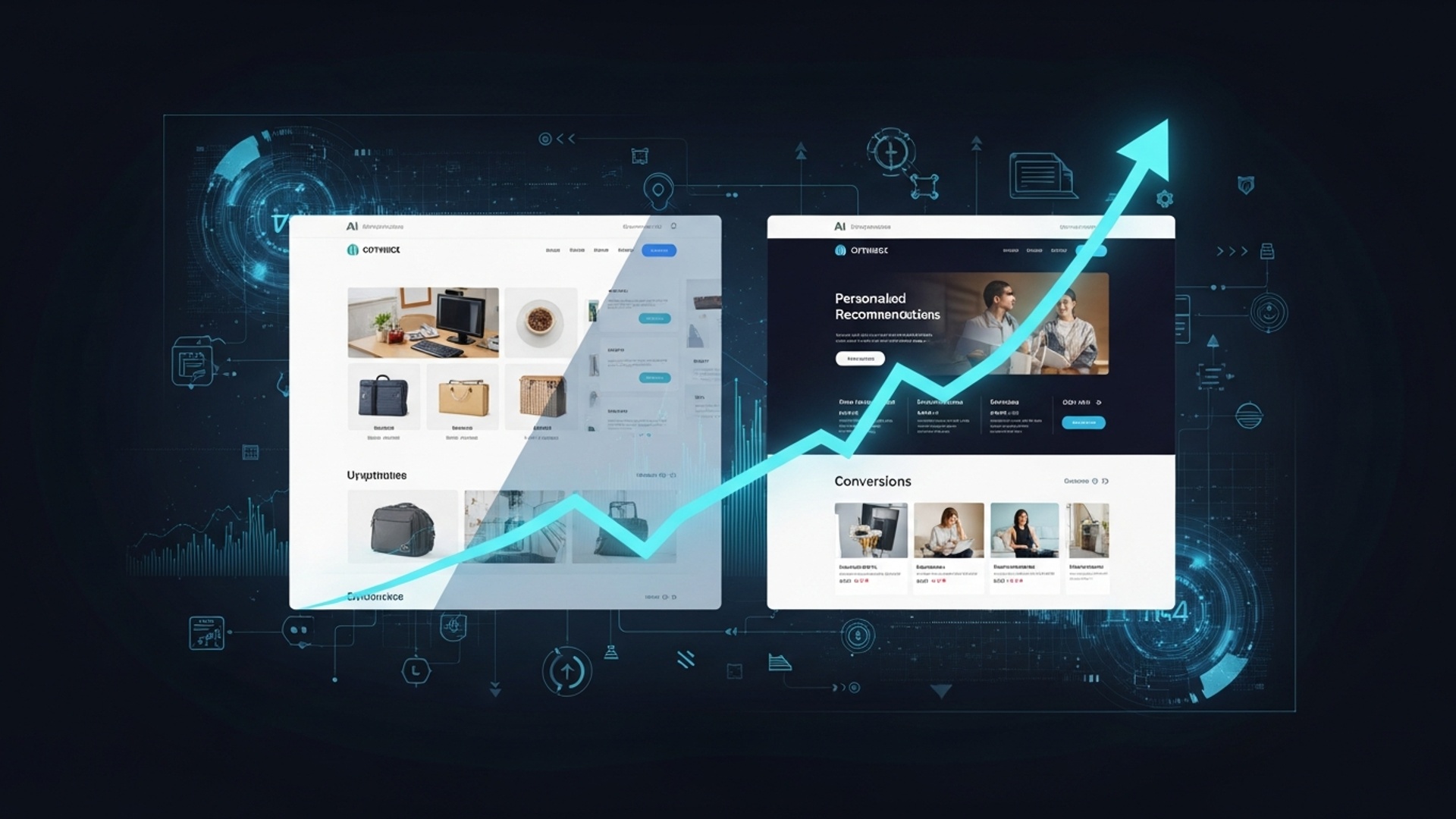
The AI Revolution in D2C Product Page Optimization
In the fiercely competitive direct-to-consumer (D2C) landscape, captivating your audience and driving conversions hinges on the effectiveness of your product pages. Static pages and guesswork are no longer enough.
Today, high-performing D2C brands are adopting product page optimization AI to transform their storefronts into adaptive, conversion-focused experiences. This shift goes far beyond surface-level tweaks. AI enables brands to analyze vast customer datasets, predict behavior, and dynamically adapt product content in real time, resulting in higher conversion rates and deeper engagement.
Industry research on AI-driven personalization in commerce shows that brands leveraging intelligent optimization consistently outperform those relying on static experiences.
Why AI Is a Game-Changer for D2C Product Pages
For D2C brands, the direct relationship with customers is everything. AI-driven optimization allows brands to understand individual preferences at a scale no human team can match.
From bespoke fashion to subscription-based food brands, AI ensures the right product, message, and presentation appear at the right moment. This section explores the foundational shift AI introduces to D2C product pages.
Hyper-Personalization at Scale
Moving Beyond Basic Recommendations
Traditional ecommerce recommendations such as “customers also bought” are limited. AI enables hyper-personalization, crafting a unique product page experience for every visitor.
Dynamic Content Adaptation
AI systems can tailor product pages based on:
-
Browsing history
-
Past purchases
-
Demographics
-
Real-time behavior such as scroll depth and dwell time
Example:
A D2C skincare brand can dynamically adjust:
-
Headlines for anti-aging customers
-
Ingredient transparency for eco-conscious buyers
-
Testimonials based on age group or skin concern
This aligns with best practices outlined in personalization benchmarks published by McKinsey & Company, where relevance directly correlates with conversion lift.
Personalized Product Imagery and Video
AI personalization extends beyond text.
-
Furniture brands can display products in environments matching a shopper’s style preference
-
Fashion brands can surface models and fits aligned with a customer’s browsing behavior
-
Visual personalization mirrors in-store experiences, as discussed in Shopify’s ecommerce personalization insights
AI-Driven Upselling and Cross-Selling
Instead of generic bundles, AI analyzes intent and purchasing patterns.
Example:
For a D2C coffee subscription brand:
-
Dark roast buyers see grinders optimized for darker beans
-
Repeat customers see limited-edition roasts, not generic accessories
This level of relevance increases AOV while strengthening brand loyalty.
Dynamic Content Generation and Testing at Scale
Product page optimization AI transforms experimentation.
AI-Powered Copy and Headline Generation
AI analyzes thousands of high-converting product pages across a niche and generates optimized variations of:
-
Product titles
-
Benefit bullets
-
Calls to action
This approach aligns with conversion optimization frameworks used by leading experimentation platforms.
Automated Visual Optimization
AI evaluates which visuals perform best by:
-
Comparing lifestyle images vs studio shots
-
Measuring video engagement
-
Prioritizing high-converting visual formats automatically
This is especially valuable for D2C jewelry, fashion, and home decor brands.
Multivariate Testing Without Manual Overhead
Unlike traditional A/B testing, AI-driven platforms can:
-
Test thousands of combinations simultaneously
-
Learn continuously from user behavior
-
Optimize layouts, pricing displays, CTAs, and content blocks
This mirrors the autonomous experimentation models used by platforms such as Optimizely’s AI-powered experimentation engine.
Predictive Analytics
Anticipating Customer Needs Before They Act
AI does not only react. It predicts.
Demand Forecasting
AI helps D2C brands:
-
Predict product demand
-
Optimize launch timing
-
Avoid stockouts during peak interest
Predictive demand modeling is a core component of modern retail analytics frameworks.
Pricing Optimization
AI evaluates:
-
Competitor pricing
-
Demand elasticity
-
Customer willingness to pay
Dynamic pricing strategies supported by AI are increasingly adopted in D2C, as outlined in commerce analytics research from Google Cloud.
Proactive Inventory Alignment
Subscription and repeat-purchase brands benefit from:
-
Predicting repurchase cycles
-
Promoting relevant add-ons early
-
Ensuring product availability at the right time
This directly reduces friction and improves conversion flow.
AI-Powered Analytics and Feedback Loops
Sentiment Analysis from Reviews
AI processes thousands of reviews to uncover patterns such as:
-
Packaging complaints
-
Feature confusion
-
Repeated praise points
This allows brands to proactively update product pages to address objections, a strategy supported by customer feedback analysis best practices.
Advanced Behavior Analytics
AI reveals:
-
Scroll drop-off points
-
CTA hesitation zones
-
High-engagement content blocks
For electronics or technical products, AI often shows that comparison tables and UGC outperform spec-heavy sections.
Competitive Intelligence
AI monitors competitor pages for:
-
Pricing changes
-
Promotion strategies
-
Review trends
This real-time intelligence supports faster strategic adjustments, a capability frequently highlighted in competitive ecommerce analysis studies.
Implementing Product Page Optimization AI
A Practical Roadmap
1. Define Clear Goals
Examples:
-
Increase conversion rate by 10%
-
Improve AOV
-
Reduce bounce rate
Clear objectives guide tool selection and implementation.
2. Start Small and Scale
Begin with:
-
High-traffic pages
-
Underperforming SKUs
Test AI-driven changes, learn, and expand.
3. Choose the Right AI Tools
| AI Tool Category | Key Benefit | Example Use |
|---|---|---|
| Personalization engines | Dynamic content & segmentation | Hero image changes based on skin concern |
| AI copy tools | Fast variation generation | Multiple product title tests |
| AI testing platforms | Autonomous optimization | CTA and layout testing |
| Predictive analytics | Demand and pricing insights | Seasonal product launch planning |
Platforms that integrate smoothly with Shopify or WooCommerce ecosystems reduce friction and speed adoption.
4. Integrate, Monitor, and Iterate
Ensure AI insights feed directly into:
-
Analytics dashboards
-
CRO workflows
-
Content updates
Regular review is essential.
5. Preserve Brand Voice
AI augments creativity but does not replace it. Human oversight ensures:
-
Tone consistency
-
Brand values alignment
-
Emotional authenticity
This balance is emphasized in AI governance and responsible marketing guidelines.
Conclusion
Optimizing product pages with AI is not a one-time upgrade. It is a continuous evolution.
AI enables D2C brands to build storefronts that learn, adapt, and improve with every interaction. By starting with small experiments, tracking outcomes, and scaling intelligently, brands can turn product pages into living conversion engines.
The future of D2C belongs to brands that combine human creativity with AI intelligence. Your customers expect relevance. Product page optimization AI makes delivering it possible.
For deeper insights, explore how AI-powered product page optimization strategies can directly boost ecommerce sales performance.
More Articles
Boost Your Sales with AI Powered Product Page Optimization Strategies
How AI Transforms Ecommerce Visual Content for Better Customer Engagement
The Power of a Perfect Product Title in D2C
Automated Content Creation Tools for Scalable, Data Driven Growth
Boost Your Business How AI-Driven Insights Lead to Smarter Decisions

FAQs
What’s the big deal with AI for product pages anyway?
AI can assess tons of data – what customers click, what they skip, what questions they ask – to figure out exactly what makes a product page convert. It helps personalize content, recommend better products. even write more compelling descriptions, all leading to more sales.
How does AI actually personalize content for different shoppers?
AI looks at a shopper’s past behavior, demographics (if known). even real-time actions on your site. Then, it dynamically adjusts elements like product recommendations, featured images, calls to action. even the order of data to show them what’s most likely to grab their attention and lead to a purchase.
Can AI help me write better product descriptions?
Absolutely! AI-powered tools can generate multiple versions of product descriptions based on keywords, features. target audience. They can even optimize for clarity, emotional appeal. SEO, helping you craft copy that truly resonates and persuades potential buyers.
What about product images and videos? How can AI optimize those?
AI can assess which visual content performs best for different product types and customer segments. It can suggest optimal image sequences, identify the most engaging video clips. even help with A/B testing variations to ensure your visuals are as impactful as possible, keeping shoppers hooked.
Does AI just tell me what to change, or can it make changes itself?
It can do both! Some AI tools provide insightful recommendations for manual implementation. Others, especially those integrated with e-commerce platforms, can directly A/B test different page elements (like headlines, CTA buttons, or layout) and automatically deploy the best-performing versions to improve conversions without constant manual oversight.
Is this only for huge companies with big budgets?
Not at all! While enterprise solutions exist, many AI tools and features are now accessible to small and medium-sized businesses. From AI writing assistants to personalization plugins, there are scalable options that can fit various budgets and technical capabilities, making it easier for everyone to boost conversions.
How quickly can I expect to see results from using AI on my product pages?
The timeline varies. many businesses start seeing improvements in conversion rates within weeks or a few months, especially when consistently applying AI-driven insights. The more data AI has to learn from, the faster and more significant the optimizations can become, leading to quicker ROI.
What’s one common mistake to avoid when using AI for product page optimization?
A big mistake is ‘set it and forget it.’ While AI automates a lot, it still needs human oversight. You should regularly review its performance, provide feedback. ensure the AI’s suggestions align with your brand voice and strategic goals. Think of it as a powerful assistant, not a replacement for human judgment.