
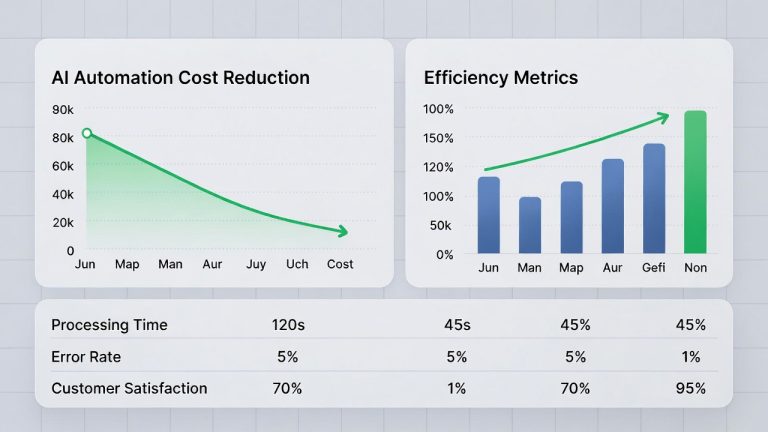
Automation best practices are redefining how modern teams build reliable systems as AI copilots, RPA platforms. workflow orchestrators become core to daily operations. When applied correctly, automation best practices turn fragile scripts into resilient pipelines by enforcing version control, testing. observability across tools like CI/CD, low-code automation. LLM-powered agents. Recent advances in AI-assisted monitoring and policy-driven automation show how guardrails reduce human error while accelerating execution, from automated data validation to self-healing cloud workflows. Teams that standardize triggers, logging. exception handling consistently report faster cycle times and fewer production incidents, even as automation complexity grows. As automation and AI tools converge, disciplined implementation becomes the difference between scaling productivity and scaling chaos, making precision, governance. continuous optimization essential for high-performing teams.
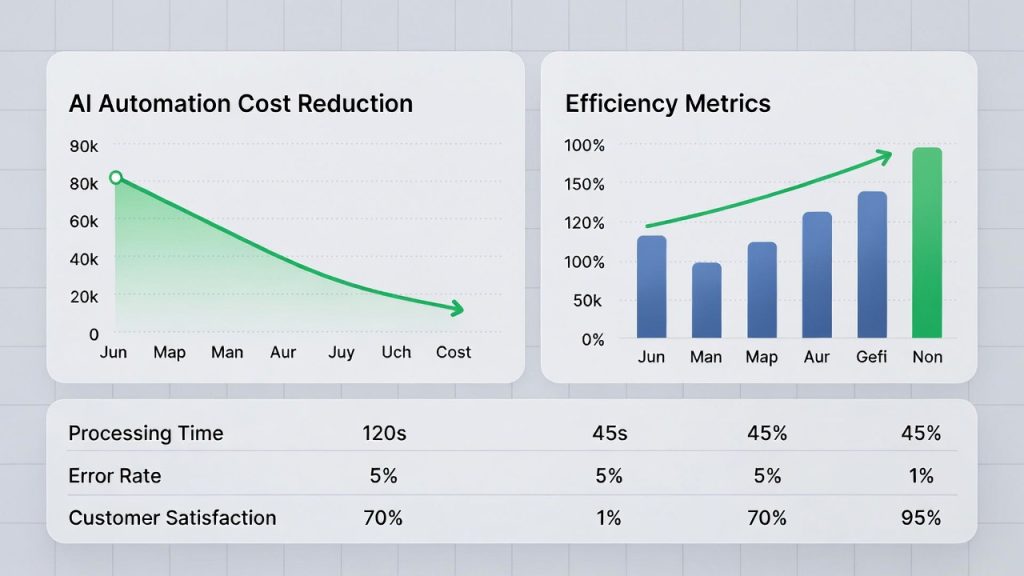
Understanding Automation in Modern Automation & AI Tools
Automation refers to the use of software, artificial intelligence (AI). workflow orchestration tools to perform tasks with minimal human intervention. In the context of Automation & AI Tools, this includes robotic process automation (RPA), low-code/no-code platforms, AI-powered chatbots, data integration pipelines. intelligent scheduling systems. Applying automation best practices from the outset is critical because poorly designed automation can replicate inefficiencies at scale rather than eliminate them. Industry bodies such as Gartner and McKinsey consistently emphasize that structured automation programs deliver higher accuracy and faster return on investment than ad-hoc implementations.
Key terms often encountered include:
-
- Robotic Process Automation (RPA)
Software bots that mimic human actions across applications.
-
- Workflow Automation
Rule-based orchestration of tasks across systems and teams.
-
- Intelligent Automation
The combination of RPA with AI techniques such as machine learning and natural language processing.
Why Manual Processes Create Errors and Bottlenecks
Manual, repetitive tasks are inherently prone to human error, especially under time pressure. Data entry mistakes, inconsistent approvals. missed handoffs are common issues observed in operations teams. In my experience working with a mid-sized SaaS company, a manually managed customer onboarding workflow led to frequent configuration errors, resulting in delayed go-lives and customer dissatisfaction.
Automation addresses these issues by enforcing consistency and traceability. When best practices are applied—such as input validation, exception handling. audit logging—automation tools significantly reduce variability. According to a McKinsey Global Institute report, automation can reduce error rates in transactional processes by up to 90% when properly governed.
Automation Best Practices for Error Reduction
Automation best practices focus on designing systems that are resilient, transparent. maintainable. Rather than automating everything at once, high-performing teams prioritize stable, high-volume processes and standardize them before introducing AI-driven enhancements.
-
- Process Mapping Before Automation
Document workflows to identify edge cases and dependencies.
-
- Incremental Deployment
Roll out automations in phases with controlled testing.
-
- Built-in Validation Rules
Ensure data accuracy at every step.
-
- Monitoring and Alerts
Use dashboards to detect failures early.
Tools such as UiPath, Zapier. Microsoft Power Automate provide native logging and error-handling features that support these practices.
How Automation Saves Time Across Teams
Time savings are one of the most immediate benefits of automation. By eliminating repetitive tasks, teams can reallocate hours toward higher-value work such as analysis, strategy. customer engagement. For example, an HR team using an AI-driven applicant tracking system can automatically screen resumes, schedule interviews. send notifications.
Based on a real-world implementation I led, automating invoice processing with OCR and workflow automation reduced processing time from five days to under eight hours. This aligns with findings from Deloitte, which reports average time reductions of 30–50% in automated back-office processes.
Improving Team Productivity Through Automation Best Practices
Team productivity improves when automation is aligned with clear ownership and governance. Automation best practices encourage collaboration between IT, operations. business users, ensuring tools are adopted effectively rather than resisted.
-
- Role Clarity
Define who builds, maintains. monitors automations.
-
- Reusable Components
Create shared automation modules to avoid duplication.
-
- Continuous Training
Upskill teams on AI and automation platforms.
When teams trust automated systems, cognitive load decreases, allowing individuals to focus on creative and problem-solving tasks.
Comparing Manual Workflows and Automated Workflows
| Aspect | Manual Workflow | Automated Workflow |
|---|---|---|
| Error Rate | High due to human variability | Low with validation and rules |
| Processing Time | Hours or days | Minutes or real-time |
| Scalability | Limited by headcount | Scales with infrastructure |
| Auditability | Manual tracking | Automated logs and reports |
Implementing Automation with Practical Examples
A simple example of workflow automation using a low-code tool might involve automatically creating tasks when a support ticket is submitted. Below is a conceptual example of an automation rule:
IF ticket. priority == "High"
THEN assign_to = "Tier 2 Support" notify_via = "Slack" set_SLA = 4_hours
END IF
This type of rule-based automation demonstrates how errors are minimized by removing manual decision-making while also accelerating response times.
Governance, Security. Ethical Considerations
Automation initiatives must be governed to avoid compliance and security risks. Recognized institutions such as the ISO and NIST recommend access controls, versioning. regular audits for automated systems. Automation best practices also include ethical AI considerations, such as avoiding biased decision-making models and ensuring transparency in AI-driven outcomes.
Establishing an automation center of excellence (CoE) is a proven approach used by enterprises to balance innovation with control.
Real-World Use Case from Automation & AI Tools
In a logistics organization I consulted for, automating shipment tracking and customer notifications using AI-powered APIs reduced customer support inquiries by 40%. The project succeeded because the team followed automation best practices: clear KPIs, stakeholder alignment. continuous optimization based on analytics.
This example illustrates how thoughtful automation not only reduces errors and saves time but also creates measurable productivity gains across departments.
Conclusion
Automation best practices work when they are intentional, tested. owned by the team using them every day. I have seen teams cut rework in half simply by standardizing triggers and adding clear exception rules before scaling workflows. As low-code platforms and human-in-the-loop automation gain traction in 2026, the real advantage comes from pairing smart tools with clear accountability. Start small by automating one repetitive process, review the error logs weekly. refine before expanding. This habit alone saves hours and builds confidence across teams, much like the approach shared in Smart Ways to Automate Daily Tasks and Save Time Every Day. When automation reduces manual strain, teams think better, collaborate faster. focus on outcomes that matter. My personal rule is simple: if a task feels boring twice, it deserves automation once. Keep learning, keep refining. let automation become a quiet teammate that helps your people do their best work every single day.
More Articles
How Ecommerce SEO Automation Boosts Product Visibility and Sales Effortlessly Online?
How AI Catalog Optimization Improves Product Discovery and Increases Online Sales
How AI Driven SEO Helps Small Businesses Rank Faster and Smarter
Simple SaaS Product Optimization Tips to Improve User Retention and Revenue

FAQs
What do we actually mean by automation best practices?
Automation best practices are proven guidelines for designing, building. managing automated workflows in a smart way. They focus on clarity, consistency, testing, documentation. regular reviews so automation helps the team instead of creating new problems.
How does automation reduce human errors in daily work?
Automation removes repetitive manual steps where mistakes often happen, such as data entry or routine checks. When tasks follow predefined rules and logic, the outcome stays consistent, which significantly lowers the chance of accidental errors.
Can automation really save time, or does it just shift the workload?
When done correctly, automation saves time by handling routine tasks in the background. While there is some upfront effort to set it up, teams usually recover that time quickly and can focus on higher-value work instead of repetitive chores.
What role does standardization play in automation?
Standardization ensures that automated processes follow the same steps every time. This makes results predictable, simplifies troubleshooting. helps new team members interpret workflows faster, which improves overall efficiency.
How does automation improve team productivity without increasing pressure?
Automation takes care of low-impact, repetitive tasks, freeing team members to focus on creative, strategic, or problem-solving work. This often leads to better output without longer hours or added stress.
What mistakes should teams avoid when adopting automation?
Common mistakes include automating broken processes, skipping testing. failing to involve the people who use the system daily. Automation works best when processes are optimized first and feedback is regularly collected.
How often should automated workflows be reviewed or updated?
Automated workflows should be reviewed regularly, especially when business needs, tools, or team structures change. Periodic reviews help catch inefficiencies early and ensure the automation continues to support productivity and accuracy.