Quick Summary: AI marketing visuals combine artificial intelligence with strategic design to create compelling visual content that drives customer conversions. By selecting the right AI tools, crafting targeted prompts aligned with your brand, optimizing for psychological triggers, and continuously testing performance, businesses can generate high-converting visuals at scale while reducing design costs by up to 70% compared to traditional methods.
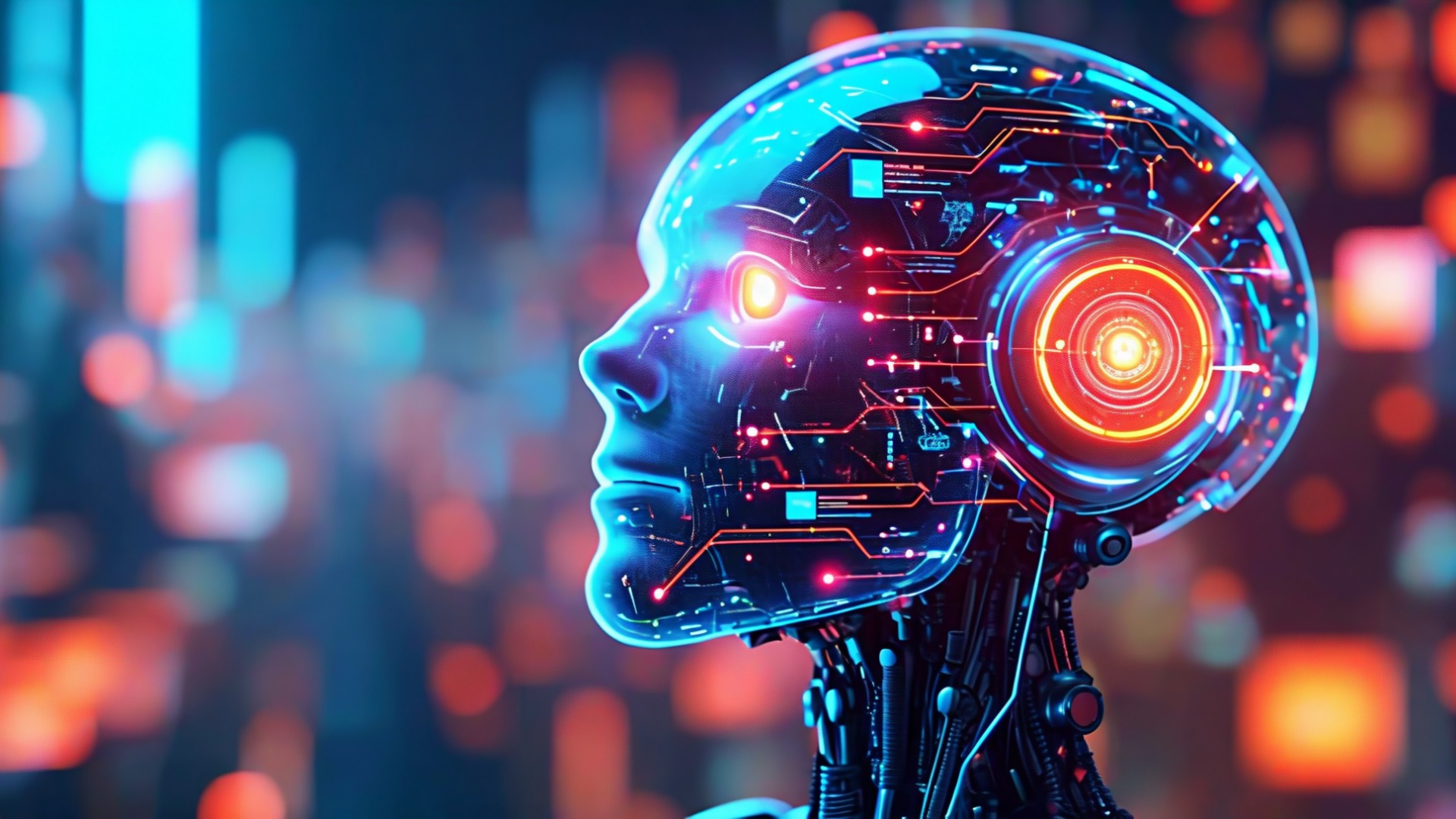
D2cbot stands at the forefront of AI-powered marketing innovation, helping businesses transform their visual strategies using AI marketing visuals that are both scalable and conversion-focused.
If you’re looking to implement automation-driven design workflows, you can explore D2cbot AI marketing solutions, where visual content meets performance optimization.
Research shows that most users are visual learners, yet many brands struggle to produce enough high-quality AI marketing visuals consistently. Traditional design methods are expensive and slow, whereas AI can generate visuals in hours.
Therefore, this guide explains how to create, optimize, and scale AI marketing visuals that drive engagement and conversions. For more insights, you can also visit the D2cbot blog.
Choosing the Right Tools for Creating AI marketing visuals
Selecting the right tools is the foundation of successful AI marketing visuals. Not all platforms offer the same capabilities, so choosing the right one depends on your workflow and goals.
To understand how tools fit into a broader system, you can explore this guide on ecommerce automation tools.
Different tools serve different purposes:
- Creative platforms like Midjourney excel at artistic visuals
- Business tools like Canva AI and Adobe Firefly focus on workflow integration
- Developer tools like Stable Diffusion offer customization
- Marketing-focused tools simplify campaign creation
Additionally, integration matters just as much as output quality. Your chosen platform should connect seamlessly with your CMS, design tools, and marketing stack.
Crafting High-Impact AI marketing visuals with Strategic Prompts
The effectiveness of AI marketing visuals depends heavily on how well you write prompts. Strong prompts produce consistent, brand-aligned results.
If you’re building a scalable content system, check out this guide on content workflow automation.
A well-structured prompt should include:
- Audience context
- Emotional trigger
- Visual composition
- Brand alignment
- Technical specifications
For example, instead of writing a vague prompt, describe the scenario, mood, and desired outcome clearly.
Additionally, maintaining brand consistency is crucial. Use specific color references, tone descriptions, and visual styles in every prompt.
Optimizing AI marketing visuals for Conversions
Creating visually appealing content is not enough. AI marketing visuals must also drive action.
To improve performance, you can explore this guide on conversion-focused ecommerce strategies.
High-performing visuals typically include:
- Social proof elements
- Clear focal points
- Emotional appeal
- Strong visual hierarchy
Moreover, platform-specific optimization is essential. For instance:
- Social media visuals should be bold and attention-grabbing
- Email visuals should allow space for text
- Website visuals should load quickly and guide user attention
When designing visuals, always consider how they support your call-to-action rather than distract from it.
Testing and Improving AI marketing visuals
The real advantage of AI marketing visuals lies in rapid testing and iteration. Unlike traditional design, AI allows you to generate multiple variations quickly.
For a structured approach, you can refer to this guide on content scaling strategy.
Key elements to test include:
- Color schemes
- Composition styles
- Use of human elements
- Emotional tone
Additionally, track performance metrics such as:
- Engagement rates
- Click-through rates
- Conversion rates
By analyzing this data, you can refine your visuals and improve performance over time.
How to Implement AI marketing visuals in Your Workflow
Implementing AI marketing visuals requires a clear process. Start by defining your goals and audience.
If you’re building a long-term strategy, this guide on ecommerce automation strategy can help.
Next, select the right AI tool and configure your brand assets. Then, create prompt templates that ensure consistency.
After that, generate multiple visual variations and optimize them for different platforms.
Finally, test performance and refine your approach continuously.
By following this process, you can scale your visual content efficiently.
Conclusion
AI marketing visuals are transforming how businesses create and scale content. By combining automation, strategic prompting, and data-driven optimization, brands can produce high-quality visuals faster than ever.
However, success depends on execution. Instead of focusing only on tools, prioritize strategy, testing, and continuous improvement.
For more actionable insights, explore the D2cbot blog, where you’ll find advanced guides on automation and marketing growth.
Ultimately, brands that master AI marketing visuals will gain a competitive edge by delivering engaging, personalized, and high-converting content at scale.
About d2cbot
d2cbot is a leading authority in AI-powered ecommerce solutions, specializing in AI image generation and automated marketing tools for direct-to-consumer brands. With extensive experience helping businesses scale their visual content creation and optimize conversion rates, d2cbot provides cutting-edge insights into the intersection of artificial intelligence and ecommerce marketing strategies.
More Articles
How AI Image Generation for Ecommerce Can Transform Your Product Photography and Boost Sales
Ecommerce Banner Design AI to Create High-Converting Graphics
How AI Content Automation Ecommerce Solutions Transform Product Descriptions and Sales Copy
Best Automated Content Creation Tools to Scale Your Business
Best Ecommerce Automation Tools to Streamline Your Online Business Operations
FAQs
What AI tools work best for creating marketing visuals that actually convert?
The top performers are Midjourney for creative concepts, DALL-E 3 for brand-consistent imagery, and Canva’s AI features for quick social media assets. Choose based on your budget and technical skills. Midjourney costs around ₹1,500/month but delivers premium results.
How do I write prompts that generate visuals aligned with my brand?
Include your brand colors, style keywords, and target emotion in every prompt. For example: “Modern minimalist product photo, navy blue and white palette, professional lighting, trustworthy feeling.” Be specific about mood and visual elements that match your brand identity.
What psychological triggers should I include in AI-generated marketing visuals?
Focus on social proof elements like customer testimonials, urgency cues through limited-time offers, and emotional connections via relatable scenarios. Colors matter too: red creates urgency while blue builds trust. Test different combinations to see what resonates.
Do AI visuals perform differently across social media platforms?
Yes, platform-specific optimization is crucial. Instagram favors high-contrast, vibrant visuals while LinkedIn responds better to professional, muted tones. Always resize and adjust color saturation based on where you’ll post the content.
How can I test if my AI marketing visuals are actually converting customers?
Run A/B tests comparing AI visuals against stock photos or previous designs. Track click-through rates, engagement metrics, and actual sales conversions. Use Google Analytics or your platform’s native analytics to measure performance over at least two weeks.
What’s the biggest mistake people make with AI marketing visuals?
Using generic prompts that create bland, forgettable images. Many skip the refinement process and use the first result. Successful AI visuals require multiple iterations, specific prompting, and careful alignment with your campaign goals and audience preferences.
Can AI visuals replace professional designers completely?
Not entirely. AI excels at generating concepts and basic marketing assets quickly, but complex brand campaigns still benefit from human creativity and strategic thinking. Use AI for rapid prototyping and volume content, designers for strategic visual storytelling.
How much should I budget for AI visual creation tools in 2026?
Budget ₹2,000-8,000 monthly for professional AI visual tools. Basic plans start around ₹1,200/month, while enterprise solutions reach ₹15,000+. Factor in time savings: AI can reduce visual creation costs by 60-70% compared to traditional methods.