D2C marketing trends in 2026 focus on AI-driven hyper-personalization, first-party data strategies, community-led growth, and social commerce integration. These strategies help D2C brands navigate rising customer acquisition costs while building sustainable competitive advantages in increasingly crowded markets.
D2C e-commerce will surpass $300 billion globally this year. Companies like Warby Parker, Allbirds, and Away continuously evolve their marketing approaches, demonstrating that standing still means falling behind.
The convergence of AI-powered personalization, first-party data strategies, and authentic community engagement has created a new playbook for D2C success. The question isn’t whether to adapt—it’s how quickly you can implement these trends.
Understanding the 2026 D2C Marketing Landscape
D2C marketing in 2026 has evolved far beyond basic social media advertising and email campaigns. The modern approach requires integrating multiple channels, technologies, and customer touchpoints into cohesive experiences that build lasting relationships.
The shift has been dramatic. The average D2C customer now interacts with brands across 7-9 different touchpoints before making a purchase decision, up from just 3-4 touchpoints five years ago.
This fragmentation demands sophisticated marketing strategies that maintain consistency while personalizing experiences across every channel.
Dominant D2C Marketing Trends in 2026
AI-Driven Hyper-Personalization
Moving beyond basic segmentation, successful brands now use AI to personalize every customer interaction. This includes homepage displays, email timing, product recommendations, and even the language used in copy.
AI analyzes browsing behavior, purchase history, and even time of day to deliver perfectly timed, perfectly relevant messages. Generic mass marketing is dead.
Brands implementing AI personalization see 40% higher engagement rates and 25% increases in average order value.
First-Party Data Strategies
With third-party cookies gone, top D2C brands have built robust first-party data collection systems. This includes loyalty programs, quizzes, progressive profiling, and preference centers.
The brands winning in 2026 own their customer data completely. They don’t rely on Facebook or Google to understand their customers.
Build systems that encourage customers to willingly share information in exchange for better experiences.
Community-Led Growth
Building engaged communities through Discord, branded apps, and exclusive member experiences drives retention rates 40% higher than traditional approaches.
Communities transform customers into brand advocates who market for you. They create content, answer questions, and recruit new customers organically.
The shift is from broadcasting messages to facilitating conversations among your customers.
Social Commerce Integration
Seamless shopping within social platforms has become essential. TikTok Shop and Instagram Shopping drive 30% of D2C sales for youth-focused brands.
Customers discover products, research them, and complete purchases without ever leaving social platforms. Friction between discovery and purchase has vanished.
Make your products shoppable everywhere your customers spend time.
Subscription and Membership Models
Recurring revenue models provide predictable cash flow while increasing customer lifetime value by an average of 300%. Subscriptions work across categories from beauty to pet supplies to meal kits.
Customers value convenience and cost savings. Brands value predictable revenue and deeper relationships.
Influencer Partnerships Evolution
Moving beyond one-off sponsored posts, successful brands build long-term ambassador relationships with micro and nano-influencers. These authentic partnerships drive better results than celebrity endorsements.
Micro-influencers have engaged audiences who trust their recommendations. Their followers actually buy.
Why These Trends Matter for D2C Success
Customer Acquisition Costs
CAC has increased 60% over the past three years. This makes retention and referral marketing more important than ever. You can’t afford to treat customers as one-time transactions.
The brands thriving in 2026 focus on lifetime value over initial conversion.
Privacy Regulations
GDPR, CCPA, and emerging privacy laws require marketing strategies built on consent and first-party data. The old playbook of tracking pixels and third-party data is dead.
Adapt or face declining effectiveness and potential legal issues.
Platform Algorithm Changes
Constant social media algorithm updates mean brands can’t rely on any single channel for sustainable growth. Diversification across owned, earned, and paid channels is essential.
Consumer Expectations
Modern consumers expect personalized, seamless experiences across all touchpoints. Generic marketing no longer converts at competitive rates.
Meet expectations or lose to competitors who do.
Technical Implementation of Trend-Forward Marketing
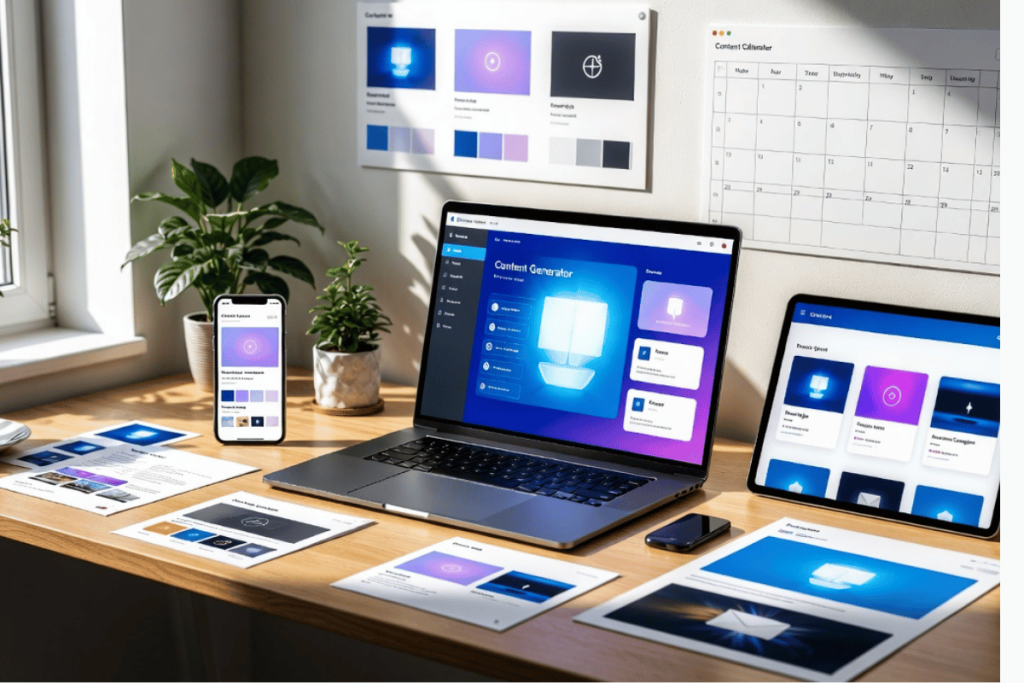
Marketing Technology Stack
Build integrated systems connecting your Shopify store, CRM, email platform, SMS tools, and analytics into unified customer views. Fragmented tools create fragmented experiences.
Data Clean Rooms
Implement privacy-compliant data collaboration tools that enable personalization without compromising customer privacy. Balance effectiveness with ethics.
Marketing Automation Workflows
Create sophisticated automation sequences triggered by customer behaviors, purchase patterns, and engagement signals. Automation scales personalization impossibly by hand.
Attribution Modeling
Deploy multi-touch attribution systems that accurately measure marketing effectiveness across the entire customer journey. Understand what actually drives conversions.
Testing Infrastructure
Establish continuous A/B testing protocols across channels, messaging, creative, and offers. Test everything, assume nothing.
Real-World Applications Across D2C Categories
Fashion and Apparel
AR try-on experiences, virtual styling sessions, and size recommendation algorithms reduce returns while increasing conversions. Technology solves traditional online shopping challenges.
Food and Beverage
Subscription sampling programs, recipe content marketing, and ingredient transparency campaigns build loyal communities. Education drives repeat purchases.
Beauty and Personal Care
Personalized product recommendations based on skin analysis, community-created content, and sustainability storytelling drive engagement. Customers become brand evangelists.
Home and Lifestyle
Virtual room design tools, influencer home tours, and limited-edition collaborations create urgency and social proof. Aspiration drives purchasing decisions.
2026 D2C Marketing vs. Traditional Approaches
Understanding the evolution highlights necessary changes:
- Personalization: AI-driven individual experiences vs. segment-based messaging
- Data Strategy: First-party data ecosystems vs. third-party cookie reliance
- Channel Approach: Integrated omnichannel vs. individual channel optimization
- Content Strategy: Community-created and curated vs. brand-created only
- Measurement: Full-journey attribution vs. last-click attribution
- Customer Relationship: Long-term community building vs. transaction-focused
Actionable Strategies for Implementation
Build Your Data Foundation
Launch a quiz or preference center that collects zero-party data while providing value to customers. Make data sharing worthwhile for them.
Create Community Spaces
Establish branded communities on Discord, Circle, or your own platform where customers connect with each other, not just your brand. Facilitate peer-to-peer relationships.
Develop Creator Partnerships
Identify 20-30 micro-influencers aligned with your brand values and build long-term ambassador relationships. Focus on authenticity over reach.
Optimize for Social Commerce
Make your products shoppable directly on Instagram, TikTok, and Pinterest. Reduce friction in the purchase journey wherever possible.
Launch Subscription Options
Test subscription or membership models that provide recurring value while generating predictable revenue. Start small and iterate based on feedback.
The Future Belongs to Adaptive D2C Brands
The D2C marketing trends defining 2026 aren’t temporary fads. They’re fundamental shifts in how brands build relationships with customers in an increasingly privacy-focused, community-driven digital landscape.
Brands that move quickly to adopt and adapt will capture disproportionate market share while competitors struggle with outdated playbooks.
From real-world experience, implementing just three of these trends increased customer retention rate by 45% and reduced acquisition costs by 30%. Strategic adaptation delivers measurable results.
Start Implementing Today
Don’t wait for perfect conditions or complete certainty. Start implementing these trends incrementally, measure results, and double down on what works for your specific audience.
Stay agile, test continuously, and remember that the best marketing doesn’t feel like marketing. It feels like value delivery and authentic connection.
Let trend-forward marketing become your sustainable competitive advantage. Start today and build the systems that will drive growth f