In today’s hyper-competitive direct-to-consumer (D2C) landscape, brands face immense pressure to scale operations efficiently while delivering unparalleled customer experiences. The strategic implementation of D2C automation software is no longer a luxury but a necessity for survival. This powerful category of AI tools empowers brands to streamline everything from inventory management to hyper-personalized marketing.
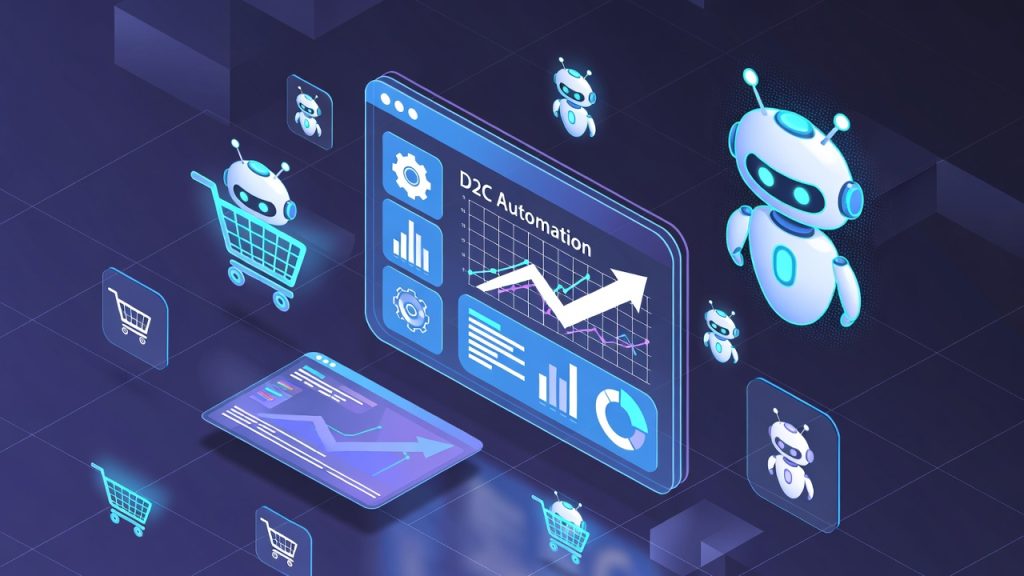
The Imperative of Automation in the Modern D2C Landscape
The D2C model has reshaped retail by allowing brands to connect directly with customers. However, this connection brings a complex web of demands. As brands scale, manual management becomes unsustainable, leading to inefficiencies and a compromised customer experience. By leveraging advanced D2C automation software, brands can enhance engagement and unlock new avenues for growth.
Core Concepts of D2C Automation
To understand how these platforms work, we must define the four technological pillars they rest upon:
| Technology | Role in D2C Automation |
| Automation | Applying technology to perform repetitive tasks with minimal human intervention. |
| Artificial Intelligence (AI) | Simulating human intelligence to power predictive analytics and intelligent chatbots. |
| Machine Learning (ML) | Identifying patterns in data to optimize inventory forecasting and fraud detection. |
| Robotic Process Automation (RPA) | Using software bots to handle data entry and cross-platform synchronization. |
Operational Pillars Transformed
The impact of specialized D2C automation software reverberates across three major areas:
1. Enhanced Customer Experience
-
Personalized Journeys: AI examines browsing history to trigger automated SMS or email reminders for abandoned carts.
-
Intelligent Support: NLP-powered chatbots handle 24/7 inquiries, freeing human agents for complex problem-solving.
2. Streamlined Logistics
-
Inventory Management: AI-powered tools predict demand based on trends, reducing the risk of overstocking or stockouts.
-
Shipping & Returns: Integrations allow for automated label generation and real-time tracking updates.
3. Data-Driven Decision Making
Automation creates a “single source of truth” by unifying data from your CRM, e-commerce platform, and marketing tools. This allows for Predictive Analytics, enabling brands to forecast churn risk and campaign effectiveness before they happen.
Actionable Takeaways: Implementing Your Strategy
-
Assess Your Bottlenecks: Identify which manual tasks consume the most time.
-
Define Clear Objectives: Aim for specific goals, like reducing response times by 30%.
-
Start Small, Scale Gradually: Automate one critical process (like abandoned carts) before moving to full-scale logistics.
-
Train Your Team: Ensure your staff knows how to manage the software rather than fear being replaced by it.
Conclusion
Embracing D2C automation is a strategic pivot toward becoming a customer-centric brand. Start by identifying your single biggest operational bottleneck—perhaps it’s inventory sync or manual support—and focus your efforts there.
Ready to scale?
.
More Articles
Discover Simple Best Practices for Boosting Your Daily Workflow Efficiency
Automated Content Creation Tools for Scalable, Data Driven Growth
Write Engaging Product Descriptions Effortlessly Using AI Tools for More Sales
Boost Your Business How AI-Driven Insights Lead to Smarter Decisions
How AI Transforms Ecommerce Visual Content for Better Customer Engagement

FAQs
So, what’s D2C automation software all about?
It’s a set of tools designed to streamline and automate various operational tasks for direct-to-consumer brands. Think of it as a digital assistant that handles repetitive jobs across sales, marketing, fulfillment. customer service, letting your team focus on strategy and growth.
How does this tech really help my brand grow and make things easier?
By automating repetitive processes like order fulfillment, inventory updates, customer service responses. even personalized marketing emails, it frees up your team’s time, reduces errors. ensures smoother operations. This efficiency translates to faster delivery, happier customers. ultimately, more sales and scalability.
Is D2C automation only for huge companies, or can smaller brands benefit too?
Absolutely not just for the big players! D2C automation is highly beneficial for brands of all sizes. Smaller brands can use it to professionalize operations early on, compete more effectively. scale without needing a massive team. It’s about optimizing resources, no matter your scale.
What specific parts of my brand operations can this software automate?
It can handle a wide range of tasks, including processing orders, managing inventory levels, updating shipping statuses, automating email campaigns, handling customer inquiries (via chatbots or automated responses), tracking returns. even generating performance reports.
Will it be a nightmare to get this software up and running?
While there’s always an initial setup phase to integrate with your existing systems and customize workflows, most modern D2C automation platforms are designed for user-friendliness. The short-term effort pays off significantly in long-term time savings, reduced manual work. improved operational efficiency.
How does D2C automation make my customers happier?
It directly impacts customer satisfaction by ensuring faster, more accurate order fulfillment, providing timely shipping updates, offering personalized product recommendations. enabling quick, consistent customer support. A smoother, more reliable shopping experience keeps customers coming back.
Why should my brand seriously consider D2C automation right now?
In today’s competitive landscape, D2C automation isn’t just a luxury; it’s a strategic necessity. It helps you operate more efficiently, scale effectively, deliver superior customer experiences. gain valuable insights from your data – all crucial for staying ahead and fostering sustainable growth.