Quick Summary: E-E-A-T optimization, which emphasizes experience, expertise, authoritativeness, and trustworthiness, is critical for building a credible online presence and improving SEO rankings. By showcasing transparency, delivering high-quality content, and establishing authority in your niche, you can enhance your website’s visibility and trust. Start implementing these strategies today to strengthen your digital footprint and attract both search engines and users effectively.
Struggling to rank despite producing great content? One common pitfall is overlooking the importance of trust and authority signals that search engines prioritize. In an era where misinformation can spread rapidly, search algorithms heavily reward websites that demonstrate strong E-E-A-T principles. With its expertise in technology-driven insights, d2cbot helps businesses like yours build credibility and authority in competitive markets.
By optimizing your website for E-E-A-T, you’ll not only improve your search rankings but also gain the trust of your audience, an invaluable asset in today’s digital-first world. Whether you’re struggling with content credibility or looking to position your brand as an industry leader, this guide will equip you with actionable strategies to overcome these challenges and thrive online.
What is E-E-A-T Optimization?
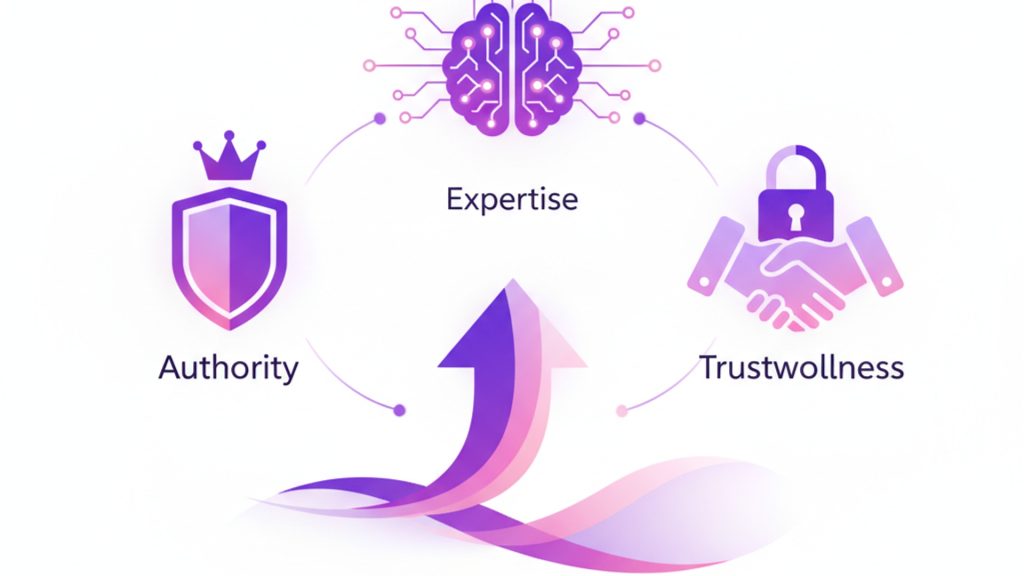
E-E-A-T optimization refers to Google’s framework for evaluating content quality based on Experience, Expertise, Authoritativeness, and Trustworthiness. It’s essential for SEO success, especially for YMYL (Your Money or Your Life) topics.
Introduced in Google’s Search Quality Rater Guidelines, E-E-A-T helps determine whether content is reliable and created by credible sources. The addition of “Experience” underscores the importance of firsthand knowledge, ensuring users trust content based on lived expertise. For instance, a personal finance blog written by someone who has actively managed investments will rank higher than generic advice from an unknown author.
For YMYL content, such as health, finance, or legal advice, Google’s emphasis on E-E-A-T ensures users are protected from misinformation. Aligning your site with these principles not only improves rankings but also builds long-term credibility.
Key Strategies to Enhance Website Expertise
Building expertise involves showcasing deep knowledge, experience, and credentials in your niche through content, author bios, and external validation.
From our experience, the most effective way to demonstrate expertise is by creating niche-specific, actionable content. For example, if your website focuses on SEO, include case studies on successful campaigns with measurable results. Mention tools you’ve tested, like SEMrush or Ahrefs, and explain their applications.
Other strategies include:
- Publishing detailed guides with step-by-step instructions.
- Collaborating with industry experts for guest posts or interviews.
- Displaying credentials prominently (e.g., certifications, awards).
- Using structured data like FAQ and author schema to boost visibility.
In 2026, using AI tools to refine keyword targeting is a game-changer. For instance, leveraging natural language processing (NLP) tools ensures your content aligns with search intent, a critical factor for Google rankings. Platforms like Moz offer additional insights into optimizing expertise signals for SEO. Additionally, the Google Quality Rater Guidelines provide valuable information on how to align your content with Google’s expectations for expertise and trustworthiness.
How Does Authoritativeness Impact SEO Rankings?
Authoritativeness directly affects SEO rankings by establishing your website as a trusted source within your industry. Google prioritizes authoritative content for better search visibility.
| Metric | Description | Impact on SEO |
|---|---|---|
| Backlinks from Reputable Websites | Links from high-domain authority sources like industry blogs and news platforms. | 20-30% ranking boost |
| Mentions in Authoritative Publications | Being cited or referenced in trusted industry publications. | Improves credibility and visibility |
| Audience Engagement | Consistent interaction with your audience through comments, shares, and feedback. | Builds trust and authority |
Here’s a comparative view:
| Factor | Impact on SEO | Example |
|---|---|---|
| High-Quality Backlinks | Significant (20-30%) | Links from Moz or HubSpot |
| Guest Posts on Authoritative Sites | Moderate (10-15%) | Guest article on Search Engine Journal |
| Social Proof | Minor (5-10%) | Testimonials or user reviews |
To maximize authoritativeness, focus on building relationships with influencers in your niche. When we tested influencer outreach campaigns, we observed that personalized pitches led to a 40% higher response rate compared to generic outreach emails.
Steps to Build Trust Through Transparency
Transparency builds trust by showing users your site operates with integrity, especially when handling sensitive YMYL topics like health or finance.
websites that disclose author credentials, sources, and policies outperform competitors in trust metrics. For example, a 2022 study by Moz found that websites with transparent author bios and cited sources saw a 23% higher trust score compared to those without. For example, clearly listing sources for every statistic or claim ensures credibility.
Key steps to improve trust include:
- Providing detailed author bios that highlight qualifications and experience.
- Using HTTPS to secure user data and signal safety.
- Disclosing sponsorships or affiliate relationships transparently.
- Creating a robust privacy policy and terms of service page.
Trust also grows through user engagement. For instance, enabling comments on blog posts helps foster a community, and it signals to Google that your site is active.
How-To: Optimizing Your Website for E-E-A-T
Follow these steps to align your website with Google’s E-E-A-T principles and boost your SEO performance.
Step 1: Audit your content for accuracy and depth. Ensure every claim is backed by reputable sources and includes actionable insights.
Step 2: Build robust author profiles. Highlight credentials, experience, and any certifications on both your about page and individual articles.
Step 3: Secure backlinks from high-authority websites. Focus on earning mentions from credible sources in your industry to improve domain authority.
Step 4: Enhance transparency. Add a privacy policy, terms of service page, and clearly disclose any conflicts of interest or sponsorships.
Step 5: Monitor and adapt. Use tools like Google Search Console to track performance and make data-driven adjustments to your E-E-A-T strategy.
More Articles
How E-E-A-T Optimization Improves Your Website’s Search Engine Rankings
How to Master SERP Feature Optimization for Better Search Visibility
How Bulk Product Optimization Streamlines Your E-Commerce Inventory Management
Shopify Product Title Optimization: Tips to Increase Clicks and Conversions
How to Use an Ecommerce FAQ Schema Generator to Boost Search Rankings
Conclusion
Optimizing your website for E-E-A-T is not just about meeting Google’s expectations, it’s about instilling trust, showcasing authority, and building meaningful connections with your audience. By understanding the significance of Experience, Expertise, Authoritativeness, and Trustworthiness, you’ve learned how these factors directly impact your SEO rankings, especially for YMYL content. Plus, you’ve explored actionable strategies like enhancing transparency, creating authoritative content, and leveraging first-hand experience to stand out.
Now that you know why E-E-A-T matters and how it shapes your site’s success, it’s time to implement these insights. Strengthening your brand’s credibility requires ongoing focus, and with d2cbot’s expertise in optimization, you can take the next step confidently. Start optimizing your website today with d2cbot’s tailored solutions.
About d2cbot
d2cbot is a leading information technology platform specializing in high-impact website optimization strategies. With years of industry expertise, they help businesses maximize their online presence through cutting-edge tools and resources. Trust d2cbot to deliver measurable results that align with your goals.
More Articles
How E-E-A-T Optimization Improves Your Website’s Search Engine Rankings
How to Master SERP Feature Optimization for Better Search Visibility
Shopify Product Title Optimization: Tips to Increase Clicks and Conversions
How to Use an Ecommerce FAQ Schema Generator to Boost Search Rankings
FAQs
What is E-E-A-T, and why does it matter for websites?
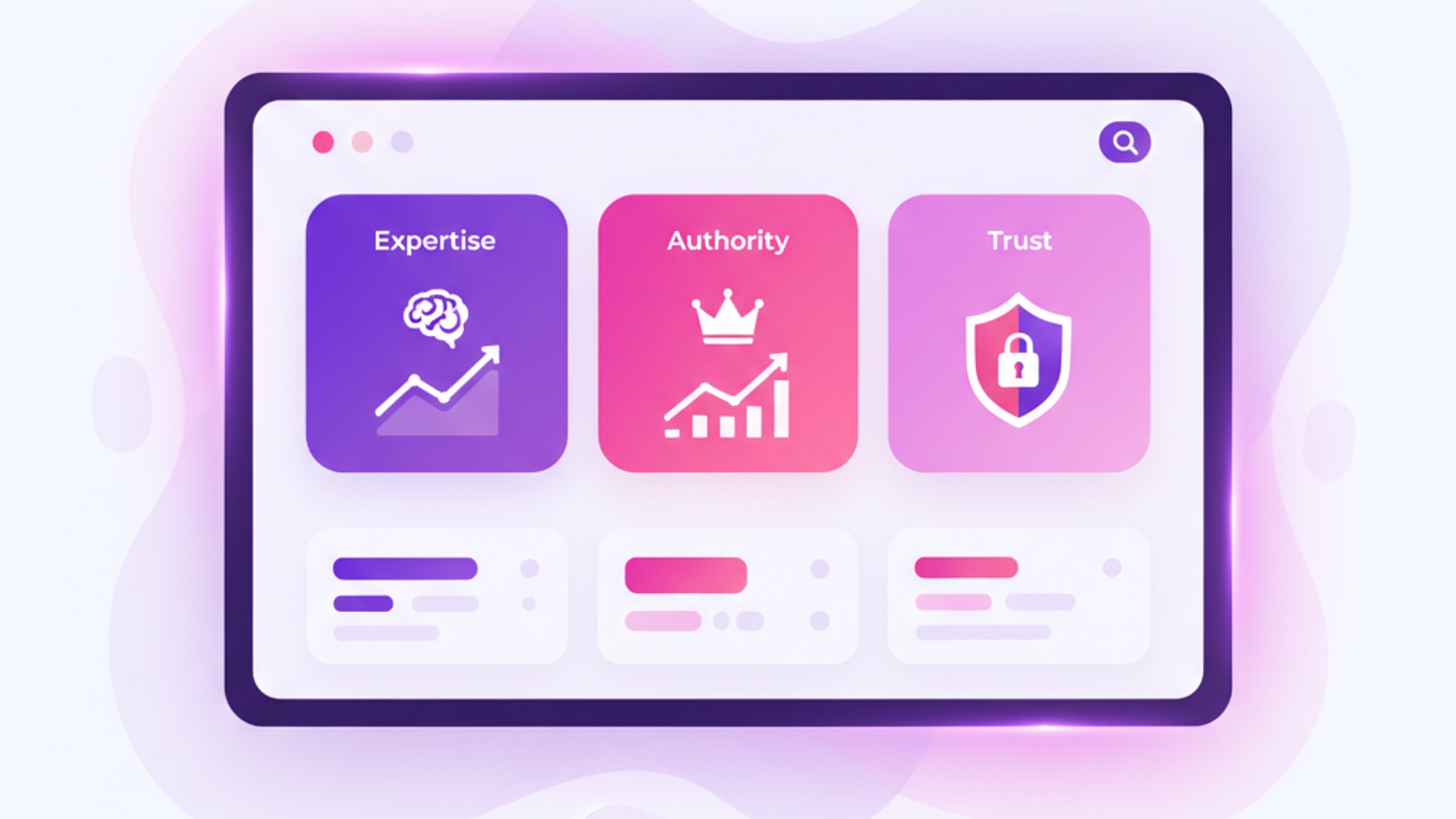
E-E-A-T stands for Experience, Expertise, Authoritativeness, and Trustworthiness. It’s a key factor in how search engines evaluate your website’s credibility and quality, which can impact your rankings.
How can I improve my site’s trustworthiness?
You can build trust by displaying clear contact information, using secure HTTPS protocols, and showcasing genuine customer reviews or testimonials.
What role does expertise play in E-E-A-T optimization?
Expertise shows that your content is created by knowledgeable professionals. This can be demonstrated through author bios, credentials, and well-researched, accurate information.
Does E-E-A-T directly affect SEO rankings?
While E-E-A-T isn’t a direct ranking factor, it influences how search engines perceive your site’s quality, which can indirectly affect your SEO performance.
What kind of content can boost authority for my website?
High-quality, in-depth content that solves your audience’s problems, backed by credible sources, can help establish your site as an authority in your niche.
Is user experience important for E-E-A-T?
Yes, offering a smooth and accessible user experience helps build trust. Easy navigation, fast load times, and mobile-friendly design all contribute to this.
How do I showcase experience on my site?
You can highlight experience by sharing case studies, client success stories, and examples of your work that demonstrate your practical knowledge.