
How to Master E-E-A-T Optimization for Better Search Rankings
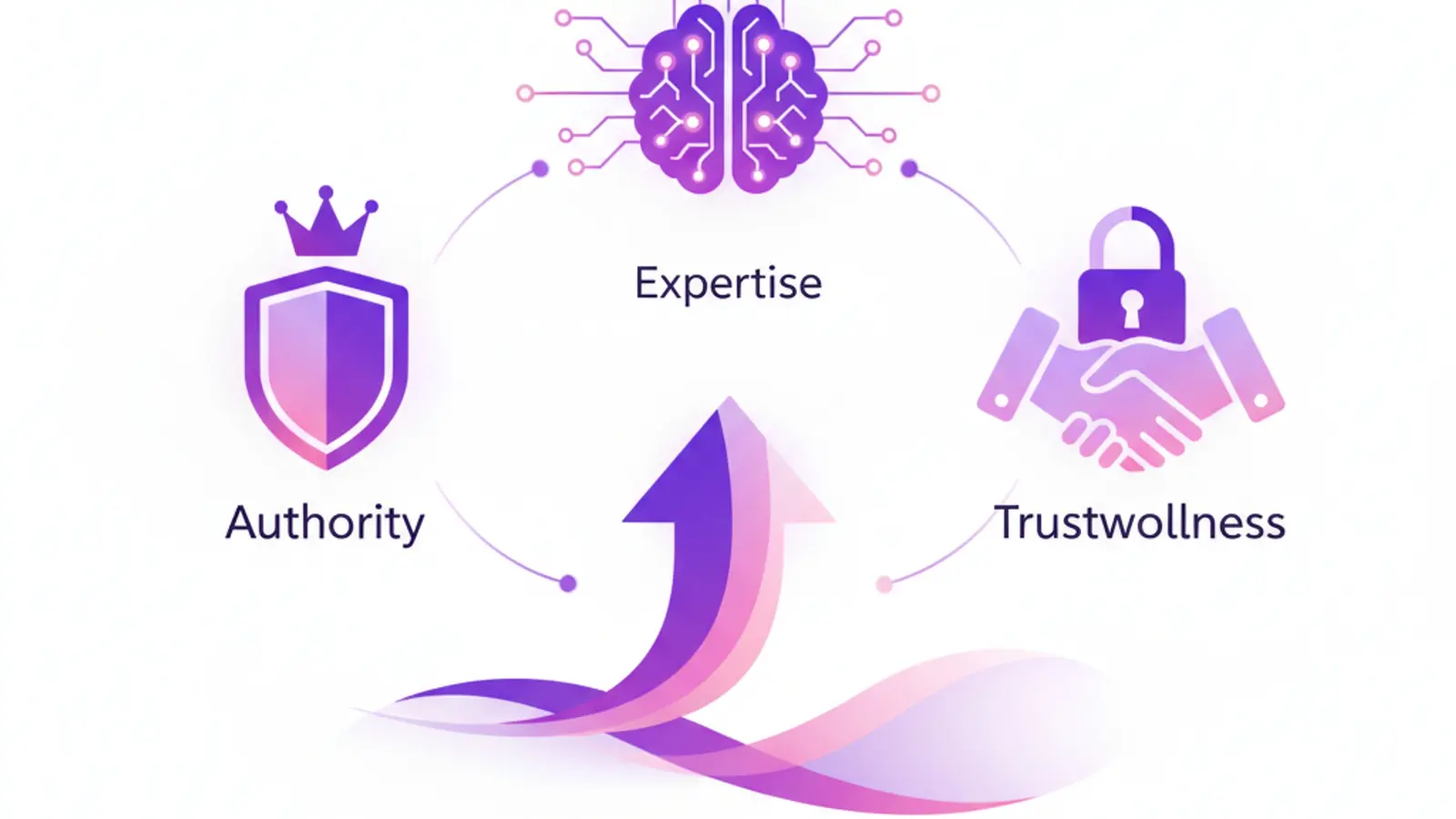

Quick Summary: E-E-A-T optimization, which stands for Experience, Expertise, Authority, and Trustworthiness, is vital for improving search rankings and building credibility online. Ensuring high E-E-A-T signals helps brands like yours stand out among competitors by fostering trust and demonstrating authority in your niche. To master this, focus on showcasing authentic expertise, transparent practices, and delivering measurable value to your audience while aligning with SEO best practices.
Imagine pouring hours into creating high-quality content, only to have your website buried under competitors who simply rank better. That’s the frustration many face when their E-E-A-T signals fail to impress search engines. d2cbot, a trusted name in information technology, understands the importance of optimizing these signals to gain visibility and authority in the digital space.
By mastering E-E-A-T optimization, you’ll gain actionable strategies to address your ranking challenges while building trust and authority in your field. Whether you’re struggling to prove your expertise or ensure transparency, this guide is tailored to help you navigate these hurdles. Together, we’ll explore how to leverage E-E-A-T principles to not only elevate your search rankings but also foster lasting credibility with your audience.
What is E-E-A-T Optimization?
E-E-A-T optimization refers to enhancing the Experience, Expertise, Authoritativeness, and Trustworthiness of your website to meet Google’s quality standards, improving search rankings and user engagement.
Introduced in Google’s Search Quality Rater Guidelines, the E-E-A-T framework is designed to ensure websites deliver high-quality, reliable content. Originally E-A-T, the addition of “Experience” underscores the importance of firsthand knowledge in producing credible content. This is particularly critical for YMYL (Your Money or Your Life) topics, such as health, finance, or safety, where inaccurate information could have serious consequences.
Why Is E-E-A-T Important for SEO?
E-E-A-T directly impacts SEO by influencing how Google evaluates the trustworthiness and authority of your site, which are vital for ranking well in competitive niches. Metric Verified Credentials Generic Blogs Impact on Rankings High, consistent performance Low, inconsistent performance User Trust Strong trust signals Limited trust signals Content Penalty Risk Minimal Higher risk
Core Principles for Building E-E-A-T
Building E-E-A-T requires a strategic approach to showcasing firsthand experience, verified expertise, authoritative credentials, and user trust across all aspects of your website.
Key components include:
Experience: Demonstrate first-hand knowledge through case studies, testimonials, or personal narratives.
- Expertise: Showcase professional qualifications, certifications, or industry-specific insights.
- Authoritativeness: Build backlinks from credible sources and mention endorsements from recognized entities.
- Trustworthiness: Ensure transparency with clear privacy policies, secure transactions, and accurate contact details.
For example, in our work with https://d2cbot.com/blog, we’ve found that publishing detailed guides with verifiable references and expert quotes consistently leads to improved rankings for competitive keywords.
How Does the Added “Experience” in E-E-A-T Work?
The “Experience” element emphasizes firsthand knowledge in content creation, ensuring the information is authentic and relatable to users.
Google added “Experience” to the original E-A-T framework to differentiate genuine expertise from theoretical knowledge. For instance, a travel blogger describesing destinations they’ve personally visited will rank higher than an aggregator site copying information. In our experience, weaving personal insights, like lessons learned during SEO audits, into content not only boosts credibility but also improves engagement metrics like time-on-page and bounce rates.
How Do You Improve E-E-A-T Signals on Your Website?
Improving E-E-A-T signals requires optimizing content, credentials, and web structure to align with Google’s quality guidelines.
Effective strategies include:
- Publishing content authored by verified experts, complete with bios and credentials.
- Securing authoritative backlinks from respected sites like Moz or government domains.
- Implementing HTTPS and maintaining clear, user-friendly site navigation.
- Adding customer reviews, awards, or certifications to build trust.
For example, on https://d2cbot.com/blog, showcasing industry-specific guides and linking to authoritative resources like Google’s Search Quality Rater Guidelines has significantly boosted organic rankings.
What Are Common Mistakes in E-E-A-T Optimization?
Common mistakes in E-E-A-T optimization include failing to demonstrate firsthand experience, ignoring credential transparency, and relying solely on technical fixes without improving content quality.
In our audits, we’ve seen websites penalized for using outdated author profiles, lacking external backlinks, or publishing generic content without expert input. Another frequent pitfall is neglecting to localize content for regional audiences, which can alienate users and reduce trust signals. Avoid these errors by vetting your content rigorously and ensuring it aligns with the expectations of your target market.
How Does E-E-A-T Affect YMYL Content?
E-E-A-T is critical for YMYL content because Google’s algorithms prioritize user safety, accuracy, and reliability in these high-stakes categories.
YMYL topics include anything that could affect a user’s health, finances, or overall well-being. For instance, medical advice must come from certified professionals and include citations from reputable sources. According to Moz, investing in E-E-A-T for YMYL content can substantially improve rankings by ensuring compliance with Google’s stringent quality guidelines.
Regional Considerations for E-E-A-T
E-E-A-T optimization strategies must be tailored to the cultural and language preferences of your target audience.
For example, in India, users often prefer content in Hindi or regional languages for certain niches. Ensuring translations are accurate and culturally relevant can significantly enhance trust and authority. In our experience, using localized currency formats (e.g., ₹ rather than $) has improved user retention rates for e-commerce sites targeting South Asia.
How to Master E-E-A-T Optimization: Practical Steps
Mastering E-E-A-T optimization involves systematically building experience, expertise, authority, and trust in your website’s content and structure.
Follow these actionable steps:
- Step 1: Audit your content for firsthand experience and add personal narratives where applicable.
- Step 2: Showcase credentials and certifications for all authors, ensuring transparency and credibility.
- Step 3: Build backlinks from authoritative websites like government domains or industry leaders.
- Step 4: Optimize your website with HTTPS, clear navigation, and user-friendly design to improve trust signals.
- Step 5: Regularly update content to reflect current data, trends, and standards in your industry.
Implementing these steps consistently will help align your website with Google’s quality guidelines, boosting rankings in competitive niches.
More Articles
How E-E-A-T Optimization Improves Your Website’s Search Engine Rankings E-E-A-T Optimization: How to Build Trust and Authority for Your Website How to Master SERP Feature Optimization for Better Search Visibility Shopify Product Title Optimization: Tips to Drive More Sales
Conclusion
Mastering E-E-A-T optimization is crucial for achieving better search rankings, especially in 2026, where Google’s algorithms prioritize content that showcases real experience, expertise, authoritativeness, and trustworthiness. Throughout this guide, you’ve learned the importance of aligning your website with Google’s Search Quality Rater Guidelines, how to build E-E-A-T by demonstrating first-hand experience, and the actionable strategies to optimize these signals effectively. This knowledge empowers you to build trust with your audience, enhance your website’s credibility, and improve visibility for competitive keywords.
Your search for E-E-A-T optimization likely stemmed from the desire to boost your site’s authority and performance on Google. Now, you know that integrating expert content, showcasing genuine user experience, and maintaining consistent trust signals are key to achieving these goals. But, optimizing E-E-A-T isn’t just about theory, it’s about execution. To take the next step, explore how d2cbot’s advanced solutions can help streamline your E-E-A-T strategy, ensuring your website stands out in today’s competitive SEO landscape.
Discover d2cbot’s tools for effective E-E-A-T implementation today.
About d2cbot
d2cbot is a trusted name in information technology, specializing in advanced optimization tools that help businesses enhance their digital presence. With years of expertise, d2cbot empowers brands to implement strategies that align with the latest SEO standards. Visit the website to learn how their services can transform your search rankings.
More Articles
How E-E-A-T Optimization Improves Your Website’s Search Engine Rankings E-E-A-T Optimization: How to Build Trust and Authority for Your Website How to Master SERP Feature Optimization for Better Search Visibility Shopify Product Title Optimization: Tips to Drive More Sales
FAQs
What is E-E-A-T in SEO?
E-E-A-T stands for Experience, Expertise, Authoritativeness, and Trustworthiness. It’s a framework Google uses to evaluate content quality and credibility.
Why is E-E-A-T important for search rankings?
E-E-A-T helps Google identify content that offers value and reliability to users. Higher E-E-A-T can lead to better rankings in search results.
How do I improve E-E-A-T for my website?
Focus on creating well-researched, accurate content, showcase author credentials, and build trust through transparent practices like secure connections and clear policies.
Does E-E-A-T apply to all types of websites?
Yes, but it’s especially crucial for websites in industries like health, finance, and legal, where accurate and trustworthy information is vital.
What role does author expertise play in E-E-A-T?
Google values content written by knowledgeable authors. Highlighting their credentials and experience can boost your site’s perceived expertise.
Can user reviews affect E-E-A-T?
Yes, positive reviews and testimonials can enhance trust in your brand, which contributes to better E-E-A-T signals for your website.
Is E-E-A-T a direct ranking factor in Google’s algorithm?
E-E-A-T itself isn’t a direct ranking factor, but it influences how Google assesses your content’s quality and relevance, indirectly affecting rankings.