Quick Summary
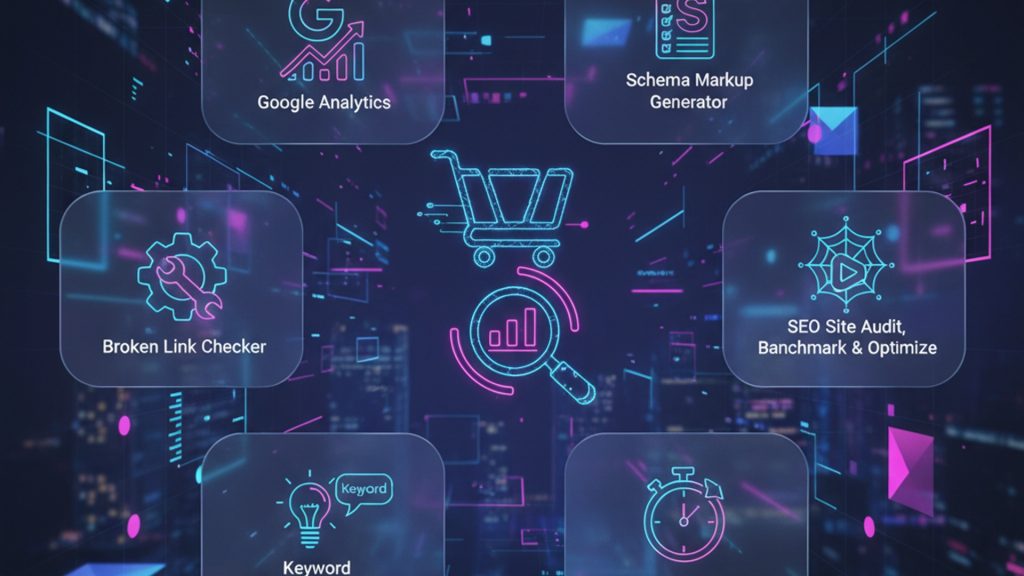
- A Shopiapp alternative for Shopify India search usually points to a broader need: the full stack of apps an Indian Shopify store actually runs on.
- Indian stores typically need six categories covered: mobile app builders, GST invoicing, COD verification, shipping, reviews, and product content.
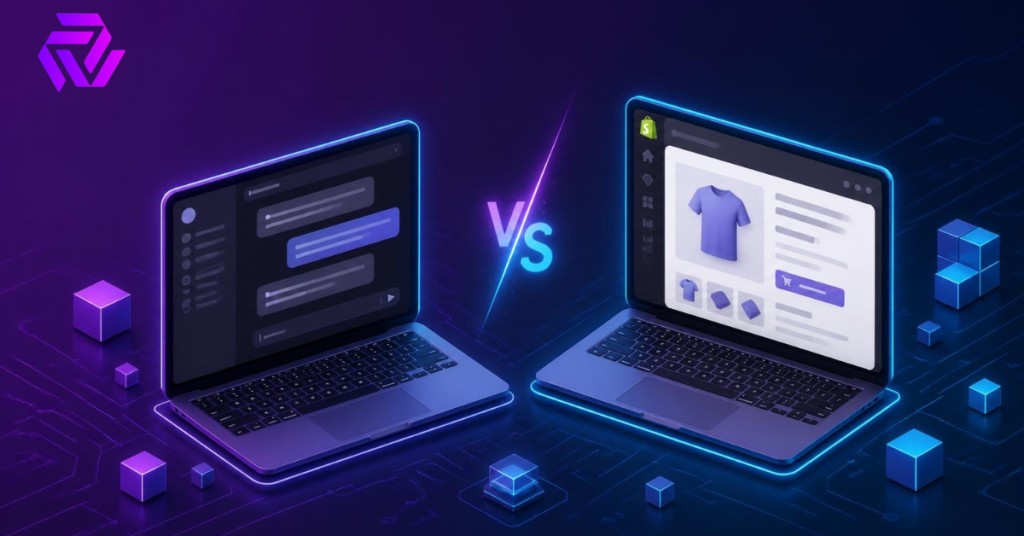
- Shopiapp itself is a mobile app generator, so its direct alternatives are other native app builders, not tools outside that category.
- D2C Bot fills the product content category, titles, descriptions, images, FAQs, and reviews, which sits alongside, not in place of, a mobile app builder.
Why “Shopiapp Alternative” Usually Means “What Else Do I Need”
Searching for a Shopiapp alternative for Shopify India often isn’t really about finding one single replacement app, it’s about figuring out the full stack a growing Indian Shopify store needs to run smoothly.
Shopiapp itself is a mobile app generator that turns a Shopify storefront into a native iOS and Android app, so its true alternatives are other mobile app builders, not tools from a different category entirely.
That said, most Indian merchants researching this question are really asking a bigger one: with over 30,000 Shopify stores now operating in India, what’s the realistic list of apps a store actually needs across mobile, payments, shipping, and content? Here’s a category-by-category breakdown, with real alternatives named honestly for each one.
Mobile App Builders: Real Alternatives to Shopiapp
If a native mobile app is genuinely what you’re after, Shopiapp sits in a crowded category alongside Tapcart, Shopney, Vajro, SimiCart, and Plobal Apps, each converting a Shopify storefront into a branded iOS and Android app with real-time product and inventory sync.
Shopney and SimiCart tend to be the more budget-accessible entry points, with SimiCart offering a free plan and paid tiers starting around 49 dollars a month with no success fees tied to app revenue, which matters for Indian stores watching margins closely. Tapcart and Plobal Apps sit at a higher price point but offer deeper customization and more advanced push notification and analytics tooling, better suited to stores with established order volume looking to invest in retention.
The honest trade-off across this category: no-code drag-and-drop builders launch fast but stay within template constraints, while higher-tier or fully managed builders offer more design depth at a meaningfully higher monthly cost. Choose based on order volume and whether app-driven retention already justifies a few hundred dollars a month in tooling, rather than defaulting to the cheapest option before that revenue exists.
GST Invoicing and Compliance Apps
Indian Shopify stores carry a compliance requirement most international merchants don’t: GST-ready invoicing, credit notes, and filing support built directly into order processing. According to a roundup of useful Shopify apps for Indian merchants, GST invoicing apps automate invoice generation, apply automated tax calculations, and produce the sales reports needed for GSTR filings, which removes a significant amount of manual bookkeeping for a growing catalog.
This category isn’t optional the way a mobile app or a content tool might be, it’s closer to a compliance requirement for any Indian store crossing basic revenue thresholds, so it’s worth setting up early rather than patching it in after a GST filing deadline creates pressure.
COD Verification and Fraud Reduction
Cash on delivery remains a dominant payment method for Indian ecommerce, which brings a specific fraud and fulfillment cost that international Shopify stores rarely deal with at the same scale. COD confirmation apps verify orders before they ship, typically through automated calls, WhatsApp confirmations, or OTP verification, reducing the rate of fake or abandoned COD orders that otherwise tie up inventory and shipping costs.
Merchants using these tools consistently report meaningful reductions in fake orders alongside better conversion rates on checkout, since a lightweight confirmation step filters out low-intent orders before they consume fulfillment resources. This is a category worth running from close to day one for any Indian store offering COD as a payment option.
Shipping and Logistics Aggregation
Domestic shipping in India runs through a different carrier landscape than most Shopify defaults are built around, which is why shipping aggregator apps that connect to carriers like Shiprocket and handle last-mile logistics specifically for the Indian market are a near-universal install for stores based there.
These apps typically handle live shipping rate calculation at checkout, bulk label printing, and order tracking, replacing what would otherwise be manual coordination across multiple carrier accounts.
Reviews and Social Proof
Review collection and display apps round out the customer-facing side of the stack, automating review requests after delivery and displaying photo and video reviews with rich snippet support that can improve both credibility and search appearance.
For stores earlier in their growth, before enough organic reviews have accumulated, D2C Bot’s AI product review generator for Shopify can seed thoughtful, product-specific starter content on new listings while a dedicated review-collection app handles gathering and displaying genuine customer feedback going forward.
Where D2C Bot Fits: Product Content, Not Mobile Apps
D2C Bot sits in a different category from Shopiapp entirely: it generates the product-page content, titles, descriptions, images, FAQs, and reviews, that every one of the categories above depends on having in place first.
A mobile app builder can display your catalog beautifully, but it’s still displaying whatever titles and descriptions already exist behind it. A COD confirmation flow still routes back to a product page that needs to actually convince the shopper.
The AI product description generator for Shopify and AI product title generator for Shopify handle that underlying content layer at catalog scale, which matters especially for Indian D2C brands adding new SKUs weekly across categories like apparel, beauty, and home goods, where a fresh, accurate product page has to exist before any mobile app, COD flow, or review widget has something worth showing a shopper.
Comparing the Categories at a Glance
| Category | What It Solves | Example Tools | Relevant to Shopiapp Search |
|---|---|---|---|
| Mobile app builder | Native iOS/Android storefront | Shopiapp, Tapcart, Shopney, SimiCart | Direct alternative category |
| GST invoicing | Tax compliance, filings | Compliance-focused Shopify apps | Adjacent, different problem |
| COD verification | Fraud reduction on cash orders | OTP/call confirmation apps | Adjacent, different problem |
| Shipping aggregation | Domestic carrier logistics | Shiprocket-integrated apps | Adjacent, different problem |
| Reviews | Social proof, rich snippets | Review collection apps, D2C Bot for AI-seeded content | Adjacent, different problem |
| Product content | Titles, descriptions, images, FAQs | D2C Bot | Adjacent, different problem |
Building a Realistic Stack Without Overspending
The mistake many growing Indian stores make is installing every category at once, before revenue justifies the combined monthly cost. A more realistic sequence: get GST invoicing and COD verification running first, since both are close to non-negotiable for compliant, fraud-resistant operations in India.
Layer in shipping aggregation as soon as order volume makes manual carrier coordination painful. Product content and review tooling matter from day one since they directly affect whether traffic converts at all. A native mobile app builder like Shopiapp or its alternatives is usually the last piece to add, once a store has enough repeat-customer volume to justify the cost of app-driven retention specifically.
Conclusion
A Shopiapp alternative for Shopify India search is really a question about the full stack, not one single tool. Shopiapp’s direct competitors are other mobile app builders like Tapcart, Shopney, and SimiCart, while GST invoicing, COD verification, shipping, and product content each solve a separate, equally important problem. D2C Bot covers that product content layer, generating titles, descriptions, images, FAQs, and reviews at catalog scale, so every other tool in the stack has strong content to work with. Install D2C Bot from the Shopify App Store to see how it fits alongside whatever mobile or compliance apps your store already runs.
More Articles
- Top Tips for Shopify Product Title Optimization to Drive Sales
- AI Product Review Generator for Shopify
- Top Automation Best Practices to Streamline Your Workflow
- AI Product Description Generator for Shopify
FAQs
Is D2C Bot a Shopiapp alternative?
No. Shopiapp is a mobile app builder, while D2C Bot generates product content, titles, descriptions, images, FAQs, and reviews. They solve different problems and can run on the same store at the same time rather than replacing each other.
What are the real alternatives to Shopiapp for a native mobile app?
Tapcart, Shopney, SimiCart, Vajro, and Plobal Apps all convert a Shopify store into a native iOS and Android app, with Shopney and SimiCart typically offering more budget-friendly entry points and Tapcart and Plobal Apps offering deeper customization at a higher price.
Which Shopify app categories are essential specifically for Indian stores?
GST invoicing and COD order verification are close to non-negotiable for Indian merchants, since they address tax compliance and the fraud risk tied to cash-on-delivery orders, which are far less common concerns for stores outside India.
Should a new Indian Shopify store install a mobile app builder right away?
Usually not first. Product content, GST invoicing, and COD verification tend to matter from day one, while a native mobile app is generally worth adding once repeat-customer volume justifies the additional monthly cost of app-driven retention tools.