
Quick Summary
- An AI ecommerce content generator 14 languages deep means a store can localize product content for new markets without hiring separate translators for each one.
- D2C Bot generates titles, descriptions, and FAQs in multiple languages directly from the same Shopify product data used for the English listing.
- Shoppers strongly prefer buying in their own language, so skipping localization costs real conversions in cross-border and regional markets.
- Speed matters here too. A store expanding into several markets at once needs content in each language on the same timeline, not staggered over months.
What an AI Ecommerce Content Generator Needs to Do Across 14 Languages
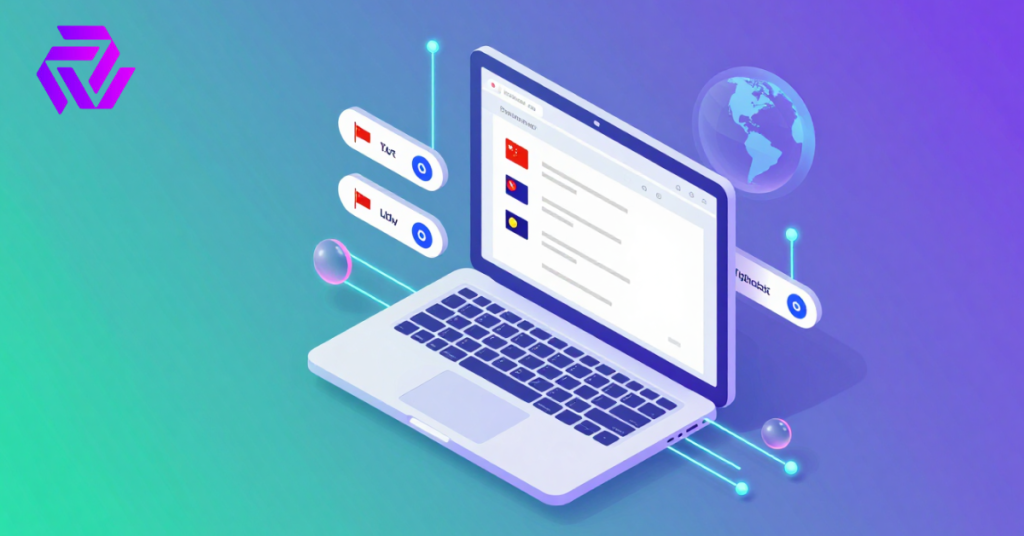
An AI ecommerce content generator 14 languages wide needs to do more than run text through a basic translator. Direct machine translation often misses tone, local buying language, and category-specific phrasing that native shoppers expect. A generator built for this job should produce content that reads like it was written for that market, not translated into it.
D2C Bot approaches multilingual content this way. It generates descriptions, titles, and FAQs per language using the product’s real attributes, so each version reads naturally rather than as a literal translation of the English original.
Why Multilingual Content Matters More Than It Looks
The case for localized product content is not just about reach. It is about whether a shopper trusts the listing enough to buy. <cite index=”9-1″>CSA Research found that 76% of online shoppers prefer to buy products with information in their own language,.
According to CSA Research’s official survey findings.
A D2C brand selling only in English is competing with one hand behind its back in any market where English is not the primary language.
This matters even inside a single country. India alone has dozens of major languages, and a brand relying only on English product listings misses shoppers who would convert more readily in Hindi, Tamil, Bengali, or another regional language.
Manual Localization vs. D2C Bot
A brand expanding into new regions manually usually hires freelance translators per language, then reviews each translation for tone and accuracy before publishing. At fourteen languages, that means coordinating fourteen separate translation projects, each with its own review cycle and cost.
D2C Bot generates all fourteen language versions from the same connected Shopify catalog, in one workflow. Instead of managing fourteen vendor relationships, a store reviews the output per language and publishes directly.
| Step | Manual Localization | D2C Bot |
|---|---|---|
| Translators needed | One per language, 14 total | None, generated directly |
| Review cycles | Separate cycle per language | Single review pass per batch |
| Cost structure | Per-word or per-project fees, 14 times over | Flat subscription |
| Time to launch in a new market | Weeks per language | Part of one generation run |
Comparing Multilingual Content Tools
| Tool | Native Shopify Integration | Multiple Languages in One Workflow | Uses Real Product Data | Free Trial |
|---|---|---|---|---|
| D2C Bot | Yes | Yes, up to 14 languages | Yes | Yes |
| Google Translate plugins | Yes, basic | Yes, but literal translation only | No, translates existing text | Free |
| Freelance translators | No | No, one language per hire | Depends on brief provided | N/A |
| General AI writing tools | No | Limited, manual prompting per language | No, requires manual input | Varies |
Basic translation plugins move fast but read literally, which often misses local shopping phrasing. Freelancers write naturally but do not scale across fourteen languages without real coordination overhead. D2C Bot sits between the two: content generated per language directly from product data, without a translation layer sitting on top of it.
Where This Matters Most for D2C Brands
A few situations make multilingual generation worth setting up. A brand entering Southeast Asian or Middle Eastern marketplaces alongside a home market often needs content in several languages from day one, not staggered in over a year. A brand serving India’s diverse regional markets can localize the same catalog into Hindi and other major regional languages instead of assuming English coverage is enough.
Cross-border stores selling into Europe face a similar challenge, where a single continent covers a dozen major languages within a few hours of flight time. D2C Bot’s AI product description generator for high-converting copy and AI FAQ generator for Shopify products both support this multilingual workflow, so a brand entering a new market gets a complete listing, not just a translated title.
What to Check Before Publishing Multilingual Content
Generated content in a new language still needs a review step, ideally by someone who reads that language natively or a trusted local partner. Check for tone that matches how shoppers in that market actually talk about the product category, correct use of local currency and sizing conventions, and formatting that fits cultural norms around directness or formality in sales copy.
Catching these details before launch protects the brand’s credibility in a new market. A listing that reads as awkwardly translated can undercut trust just as much as one with no localization at all, so this step is worth the small amount of time it takes.
Choosing Which Languages to Launch First
Fourteen languages is a lot to launch at once, even with an automated tool. Most brands get better results by sequencing the rollout instead of flipping every language on simultaneously. Start with the language tied to the largest addressable market for the brand’s specific product category, not just the largest population.
For an Indian D2C brand, that often means starting with Hindi, then adding regional languages based on where existing customers already come from. For a brand expanding into the Gulf or Southeast Asia, Arabic or Bahasa Indonesia might take priority over a smaller market with less purchasing overlap. D2C Bot supports generating content for any combination of its available languages, so a brand can launch three languages this month and add the rest gradually as each market proves itself.
Keeping Brand Voice Consistent Across Languages
A common worry with multilingual content is losing the brand’s personality once it moves into a new language. A playful, casual English tone can turn stiff or overly formal in translation if the underlying tool does not account for tone at all. This is where per-language generation from real attributes beats literal translation.
D2C Bot generates each language version from the product’s actual data rather than translating the English copy line by line. That approach preserves the intent behind the tone—energetic, minimal, luxury, whatever the brand’s style is—rather than carrying over English sentence structures that read awkwardly when translated word for word. A quick review pass by a native speaker still helps here, but the starting point reads far more natural than a direct translation ever would.
Conclusion
Selling into new markets without localized content leaves real revenue on the table, and hiring translators one language at a time slows expansion down. An AI ecommerce content generator 14 languages deep lets a D2C brand launch into several markets on the same timeline, using the same Shopify catalog it already has. D2C Bot builds that multilingual content directly from your product data, not from a literal translation pass. Install D2C Bot from the Shopify App Store for a free trial and generate your next market’s listings alongside your current ones.
More Articles
- AI product description generator for high-converting copy
- AI FAQ generator for Shopify products
- AI product title generator for CTR-first titles
- How to master content optimization in SEO for better rankings
FAQs
Which languages does D2C Bot support for ecommerce content generation?
D2C Bot generates ecommerce content across 14 languages, covering titles, descriptions, and FAQs from the same connected Shopify catalog used for the primary listing.
Is AI-generated multilingual content the same as machine translation?
No. D2C Bot generates content per language from the product’s real attributes, aiming for natural, market-appropriate phrasing rather than a literal translation of the English listing.
Do I still need to review content generated in a language I do not speak?
Yes. A quick review by a native speaker or local partner catches tone, currency, and cultural details that even a well-built generator can still miss.
Why does language matter so much for ecommerce conversion?
Most online shoppers prefer buying from listings in their own language, and many will pick a competing product over one that only appears in a language they do not use daily.