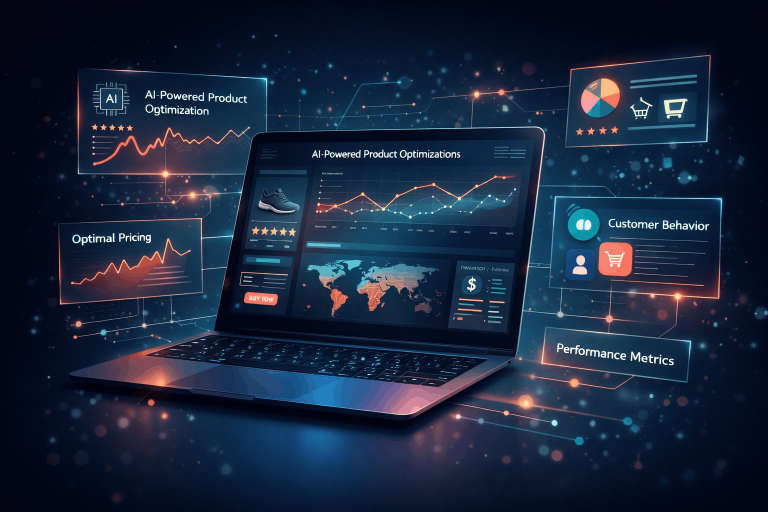
AI-powered product optimization uses machine learning and predictive analytics to enhance every aspect of your D2C product strategy, from pricing and recommendations to inventory forecasting. D2C companies implementing AI see average conversion rate increases of 35% and reductions in product returns by up to 28%.
Brands like Allbirds and Casper leverage AI algorithms to refine product recommendations, pricing strategies, and customer satisfaction. The integration of AI into product optimization isn’t just automation—it’s understanding customer behavior at a granular level and responding with precision.
As consumer preferences fragment, D2C brands that fail to harness AI-driven insights risk making gut-feeling decisions that cost millions in lost revenue.
What Is AI-Powered Product Optimization?
AI-powered product optimization leverages machine learning, predictive analytics, and artificial intelligence to enhance your entire product strategy. For D2C brands, this means using data to create products customers actually want and presenting them in ways that maximize conversion.
The shift has accelerated dramatically. Industry data shows 68% of successful D2C brands now use AI tools for at least one aspect of product management, whether inventory forecasting, dynamic pricing, or personalized recommendations.
This isn’t a future trend. This is the current competitive landscape.
Core Components of AI Product Optimization
Demand Forecasting That Actually Works
AI algorithms analyze historical sales data, seasonal trends, and external factors to predict future product demand with remarkable accuracy. No more stockouts during peak season or excess inventory eating your margins.
Advanced models consider weather patterns, economic indicators, and social media trends to forecast demand weeks in advance.
Dynamic Pricing for Maximum Profitability
Machine learning models adjust prices in real-time based on demand, competition, inventory levels, and customer willingness to pay. Your prices optimize automatically for revenue without constant manual intervention.
The result? Better margins and improved sell-through rates simultaneously.
Product Recommendations That Convert
AI recommendation engines analyze browsing behavior, purchase history, and similar customer profiles to suggest relevant products. Each customer sees items they’re most likely to buy, increasing average order value.
These recommendations get smarter over time as the AI learns from more customer interactions.
Visual Search and Recognition
Computer vision technology enables customers to find products using images rather than text searches. Customers upload photos and your AI finds similar items in your catalog instantly.
This technology is particularly powerful for fashion and home decor brands where visual aesthetics drive purchase decisions.
Sentiment Analysis for Product Development
Natural language processing tools analyze customer reviews and feedback to identify product improvement opportunities. AI spots patterns in complaints or praise that humans might miss.
Use these insights to iterate products faster and launch variations that address real customer needs.
Why AI-Powered Optimization Is Essential for D2C
The direct-to-consumer model demands precision that traditional methods simply can’t deliver.
Customer Data Volume
D2C brands collect massive amounts of customer data that human analysts can’t process effectively. AI handles millions of data points to extract actionable insights your team can use immediately.
Competitive Pressure
Brands using AI-powered optimization gain significant advantages in pricing, product development, and customer experience. Fall behind and you’re competing with one hand tied behind your back.
Profit Margins
AI optimization directly impacts profitability by reducing waste, improving conversion rates, and increasing average order values. Every percentage point improvement compounds over time.
Speed to Market
AI accelerates product testing and iteration. Respond quickly to market shifts instead of waiting weeks for manual analysis and decision-making.
Technical Implementation Strategies
Build Your Data Infrastructure First
Ensure clean, comprehensive data collection systems across your website, mobile app, and customer touchpoints. AI is only as good as the data it learns from.
Invest time in data cleanup before deploying AI tools. Garbage in equals garbage out.
Integration with Existing Systems
Choose AI tools that seamlessly connect with your Shopify store, inventory management, and CRM systems. Fragmented tools create data silos that limit AI effectiveness.
Start with High-Impact Areas
Begin optimization efforts where AI can deliver quick wins, such as product recommendations or email personalization. Early successes build internal momentum for broader adoption.
A/B Testing Framework
Implement rigorous testing protocols to validate AI recommendations before full deployment. Never trust AI blindly—verify results with real customer data.
Privacy Compliance
Ensure all AI-powered tools comply with data protection regulations like GDPR and CCPA. Privacy violations destroy customer trust and invite legal trouble.
Real-World Applications Across D2C Categories
Product Development Based on Real Demand
Analyze customer feedback and search patterns to identify gaps in your product line. Launch products you know customers want instead of guessing based on intuition.
AI spots emerging trends before they hit mainstream awareness, giving you first-mover advantage.
Bundle Optimization That Increases AOV
AI identifies which product combinations drive the highest order values and customer satisfaction. Create bundles that customers actually want instead of random pairings.
Seasonal Planning with Predictive Models
Forecast seasonal demand patterns months in advance. Prepare inventory and marketing campaigns with confidence instead of reactive scrambling.
Customer Lifetime Value Prediction
Machine learning identifies high-value customer segments before they make second purchases. Target product offerings and retention strategies to the customers who matter most.
AI Optimization vs. Traditional Methods: The Numbers Don’t Lie
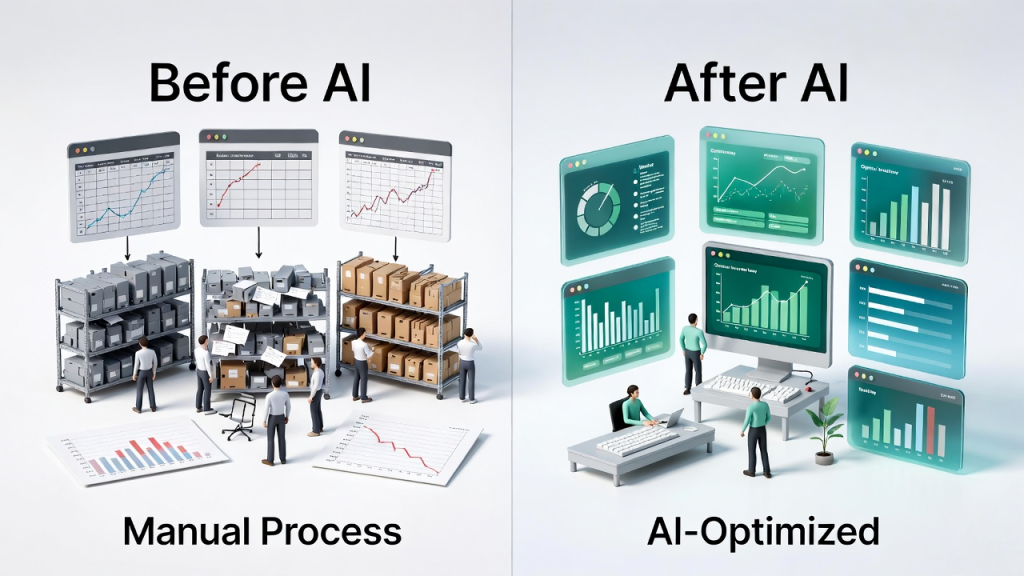
Understanding the advantages requires examining real differences:
- Data Processing: AI analyzes millions of data points instantly vs. limited sample sizes and manual analysis
- Personalization: Individual-level recommendations vs. broad segment-based approaches
- Speed: Real-time adjustments vs. periodic manual reviews that lag weeks behind
- Accuracy: Continuously learning and improving vs. static assumptions based on historical patterns
- Scalability: Handles unlimited SKUs and customers vs. resource-intensive scaling
Actionable Implementation Tips
Implement Smart Search
Deploy AI-powered search that understands natural language and shows relevant products even with typos or vague queries. Better search means better conversions.
Optimize Product Images
Use computer vision to ensure product images meet quality standards and display products from optimal angles. AI can even suggest better product photography angles based on conversion data.
Personalize the Homepage
Show different featured products to different customers based on their browsing and purchase history. Every visitor sees a homepage optimized for their interests.
Automate Inventory Decisions
Let AI determine reorder points, quantities, and timing based on predictive demand models. Free your team from tedious inventory management tasks.
Monitor Competitor Pricing
Use AI tools to track competitor pricing and adjust your strategy dynamically while maintaining margins. Stay competitive without constant manual price checks.
The ROI of AI-Powered Product Optimization
AI-powered product optimization represents a fundamental shift in how D2C brands approach their entire product strategy. As algorithms become more sophisticated, the gap between AI-adopters and traditionalists will only widen.
From real-world experience, implementing AI-powered product recommendations increased conversion rates by 42% within three months. The technology delivers measurable results when properly deployed.
The investment in AI infrastructure pays dividends not just in immediate sales but in deep customer insights that inform long-term strategy.
Start Optimizing Today
Don’t let analysis paralysis prevent you from starting. Begin with one high-impact area, measure results carefully, and expand your AI optimization efforts systematically.
Start today, and let data-driven product intelligence become your competitive advantage in an increasingly crowded D2C marketplace.