Creating irresistible product titles is a cornerstone of D2C success. mastering the best practices for this can significantly boost your sales and brand visibility. Imagine scrolling through an online store and being instantly drawn to a product name that perfectly encapsulates its value—this isn’t by accident but through strategic crafting. With the e-commerce landscape evolving rapidly, especially in 2023, standing out requires more than just quality products.
Recent studies show that 60% of consumers are influenced by product titles alone, making it imperative to get them right. Let’s delve into actionable strategies that simplify the process, ensuring your product names are not just catchy but also optimized for search engines and customer engagement.
Understanding the Importance of Catchy Product Titles
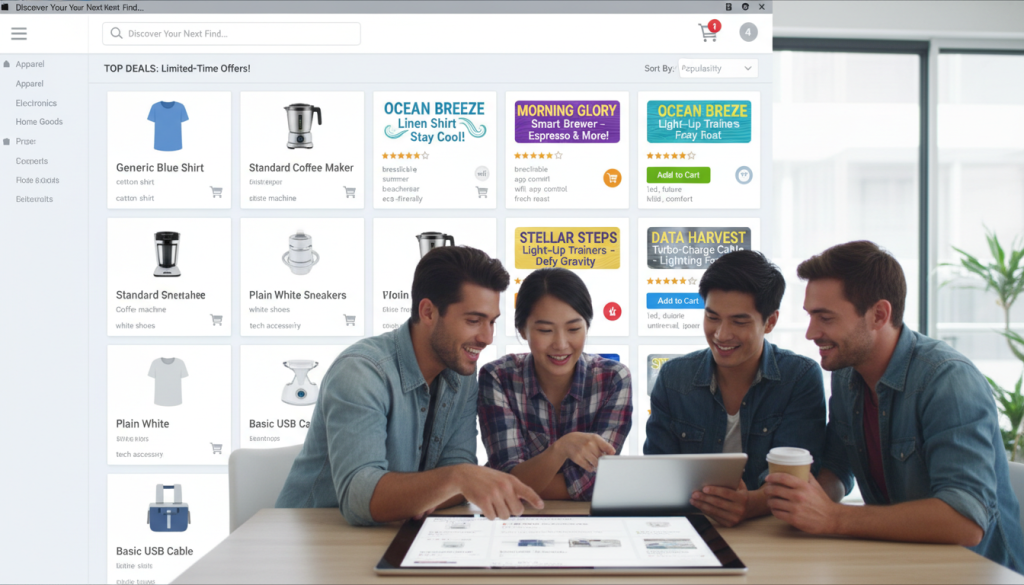
In the direct-to-consumer (D2C) landscape, catchy product titles play a pivotal role. They are often the first interaction a potential customer has with your product, making a lasting impression that can influence purchasing decisions. Crafting the perfect product title isn’t just about being creative; it’s about following best practices that ensure clarity, relevance. appeal.
Best Practices for Crafting Effective Product Titles
- Be Clear and Specific: Your title should immediately inform the customer what the product is and its primary benefit. For instance, “Organic Cotton T-Shirt for Men – Breathable & Soft” is more informative than simply “T-Shirt”.
- Use Power Words: Words like “luxurious,” “premium,” or “exclusive” evoke a sense of quality and desirability. They should be used judiciously to enhance the appeal without misleading the customer.
- Incorporate SEO Keywords: Including relevant keywords helps improve your product’s visibility on search engines. But, ensure that the keywords integrate naturally within the title. For example, “Eco-Friendly Reusable Water Bottle – BPA Free” effectively includes essential keywords.
Implementing Best Practices with Real-World Examples
Consider the success of brands like Warby Parker and Dollar Shave Club, which have mastered the art of catchy product titles in the D2C space. Warby Parker’s “Hastings in Crystal with Blue Light Filter” is not only descriptive but also highlights a key feature – the blue light filter. Dollar Shave Club uses humor and simplicity with titles like “The Humble Twin” for their razors, making the product memorable and relatable.
Optimizing Length and Formatting
Product titles should be concise yet comprehensive, ideally between 50-60 characters to ensure they display properly on most platforms. Proper formatting also matters; use title case for readability and consistency across your product listings. Avoid using all caps or excessive punctuation, which can seem unprofessional and spammy.
Testing and Refining Your Product Titles
A/B testing is a valuable tool in determining which titles resonate best with your audience. Experiment with different versions of a product title and assess which one drives more engagement and conversions. For instance, test “Handcrafted Leather Wallet – Slim & Durable” against “Premium Leather Wallet for Men – Handcrafted Quality” to see which performs better.
Final Thoughts on Applying Best Practices
Creating catchy product titles is a blend of art and science. By adhering to these best practices, you can craft titles that not only attract attention but also convert interest into sales. Remember, the key lies in clarity, specificity. a touch of creativity tailored to your target audience’s preferences. Implement these strategies to refine your product titles and watch your D2C business thrive.
Conclusion
Crafting catchy product titles doesn’t have to be a daunting task. By incorporating specific keywords, emphasizing benefits. keeping titles concise, you can create compelling titles that attract and convert customers. Remember to always consider your audience’s needs and preferences. Adding numbers or current trends can also make your titles more appealing. Take inspiration from successful brands and test different variations to see what works best. With these actionable tips, you’re now equipped to enhance your product listings effectively. Start implementing these strategies today to see a noticeable improvement in your product appeal.
More Articles
How to Create Product Images with AI for Online Stores
AI Image Generation for Ecommerce Product Catalogs
How to Write Product Descriptions with AI
Improve Your Sales with Product Page Optimization AI Techniques

FAQs
What makes a product title catchy?
A catchy product title grabs attention quickly, is easy to remember. highlights the main benefit or unique feature of the product. Using vivid words and keeping it short helps too.
How do I keep my product titles short yet descriptive?
Focus on the key benefits and unique features. Use powerful, specific words instead of long phrases. Avoid filler words and be direct.
Can using numbers in titles help?
Yes, numbers can make titles more specific and appealing. They set clear expectations, like ‘5 Easy Steps to Smooth Skin’ or ‘Top 10 Must-Have Kitchen Gadgets’.
Why is it essential to know your audience when crafting titles?
Understanding your audience helps tailor the language and tone to their preferences. What’s catchy for one group might not work for another, so relevance is key.
How can I test if my product title is effective?
A/B testing is a good method. Create a couple of different titles and see which one performs better in terms of clicks or engagement.
What are some common mistakes to avoid in product titles?
Avoid being too vague or generic. Also, steer clear of jargon unless your audience is familiar with it. Don’t overpromise what the product can do.