
Quick Summary
- Bulk AI product image generation for Shopify replaces the photographer-and-studio cycle with catalog-wide visuals generated in one session.
- D2C Bot generates on-brand product images directly from a single reference photo per SKU.
- Traditional photoshoots for a large catalog can run into tens of thousands of dollars and take weeks per batch.
- Bulk generation is strongest for routine catalog visuals, while hero and flagship shots still benefit from real photography.

What Is Bulk AI Product Image Generation for Shopify
Bulk AI product image generation for Shopify is the process of generating product photography for many SKUs at once using AI, instead of scheduling a photographer, studio time, and a multi-week editing turnaround for every batch of new inventory. For a Shopify store adding twenty or more new products a week, the traditional photography pipeline becomes the bottleneck that decides how fast a launch can actually go live.
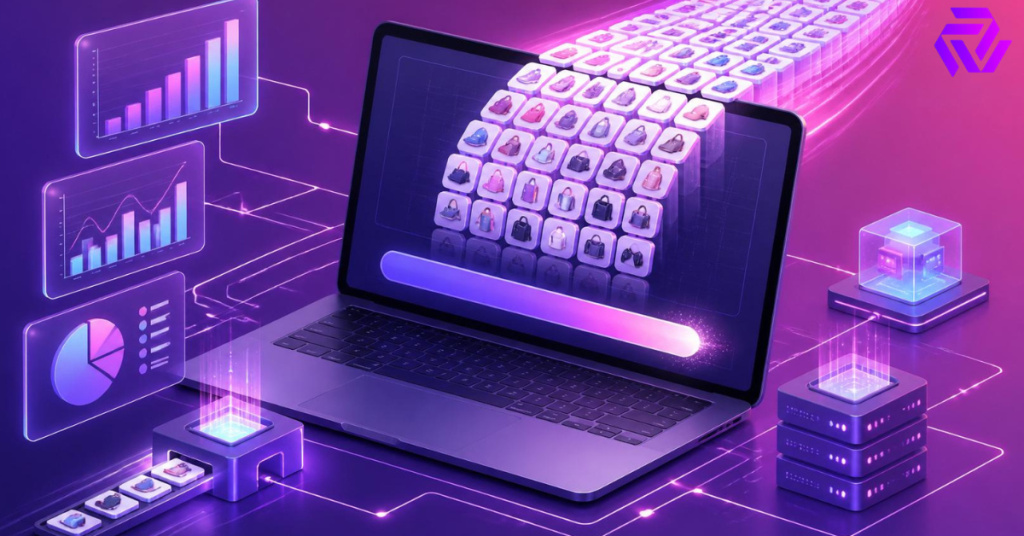
D2C Bot’s image generator takes a single reference photo per product and produces a full set of studio-quality variations, background swaps, lifestyle scenes, different angles, without requiring a new shoot for every SKU.
How Bulk AI Product Image Generation for Shopify Works
The manual version of this task looks like: photograph the product, or ship a sample to a photographer, wait for scheduling, wait for edits, then repeat that entire cycle for every color variant and every new arrival. For a catalog of a few hundred SKUs, that adds up to real weeks of turnaround and real budget spent on studio time alone.
The AI product image generator for e-commerce inside D2C Bot compresses that into a batch job. Upload one clean reference image per product, choose the background or scene style you want across the catalog, and generate the full variation set in one pass. You get consistent lighting and framing across every SKU because the same generation settings apply to the whole batch, rather than depending on whichever photographer or lighting setup happened to be used that week.
Shopify’s own coverage of AI image tools describes generating studio-quality product shots from a text prompt or reference photo as a way to skip the traditional requirement for a photographer, props, and a lighting setup entirely, according to Shopify’s guide to AI image generators for ecommerce. That’s the exact workflow D2C Bot applies at catalog scale rather than one image at a time.
Bulk AI Generation vs. Traditional Product Photography
Neither approach fully replaces the other for every use case. The decision comes down to which SKUs need flagship-quality hero shots and which just need clean, consistent, routine catalog images.
| Factor | Bulk AI Generation (D2C Bot) | Traditional Photoshoot |
|---|---|---|
| Time per full catalog batch | Hours | Weeks |
| Cost per image at scale | Fraction of studio cost | $200 to several thousand per shoot |
| Consistency across large SKU counts | High, same settings applied at once | Depends on shoot conditions |
| Best for | Routine catalog shots, background variants, fast launches | Flagship hero shots, complex products, brand campaigns |
| Requires new physical samples | No | Yes |
For most growing Shopify stores, the practical answer is a hybrid: use D2C Bot for the bulk of routine catalog imagery and rapid new-arrival launches, and reserve traditional photography budget for the small set of hero products that carry your brand’s flagship visual identity.
Getting Clean Results at Catalog Scale
The quality of bulk-generated output depends heavily on the reference photo you start from. A clear, well-lit, in-focus source image of the actual product gives the AI accurate shape, color, and texture information to build from. A blurry or poorly cropped source photo produces the same problem at scale across every generated variant, so it’s worth getting the base reference shot right once per product before running a full batch.
Review a sample from each batch before publishing across the whole catalog. Details like logos, fine print, and fabric texture are where AI generation occasionally slips, and catching that on a handful of test images is far faster than catching it after two hundred listings have already gone live. Once your images are ready, pair them with product copy from the AI product description generator for Shopify, so the visual and written parts of each listing launch together instead of in separate passes.
It also helps to standardize a small set of scene styles before you run a full batch rather than picking a new background for every product. A consistent look, the same handful of lifestyle scenes or the same studio background treatment across a category, makes your storefront feel like one cohesive catalog rather than a mix of styles stitched together over time. Save those settings as your default so every new arrival that goes through bulk generation automatically matches the rest of the category it belongs to.
Where Bulk Generation Fits Into a Full Product Launch
Image generation rarely happens in isolation.
A new SKU going live needs a title, a description, FAQ content, and often review-style social proof alongside its photos, and the fastest launches are the ones where all of that gets produced in the same working session rather than across five separate tools and several days.
Running D2C Bot’s image generator alongside its title and description tools means a new arrival can go from a single reference photo and a product name to a fully published, complete listing well before a traditional photography order would even be scheduled.
For seasonal drops or fast-moving trend cycles, that speed difference is the entire competitive advantage. A store that can generate a full visual and written listing set in an afternoon can react to a trending product category the same week it starts trending, while a competitor still waiting on a photographer’s calendar slot is publishing the same product weeks later, after the moment has largely passed.
Why D2C Bot Is the Strongest Bulk AI Product Image Generation Tool for Shopify
D2C Bot’s image generator sits inside the same suite as your title, description, FAQ, and review generation, so a full product listing, images included, can go from raw product data to published in one workflow rather than juggling a separate image tool alongside your content tools. For a store where new SKUs arrive weekly, that means the visual side of a launch no longer sets the pace for everything else.
Try it against your own catalog with a free trial through the Shopify App Store listing, and see how a full batch of new products looks after a single generation pass compared to your current photography turnaround.
Conclusion
Bulk AI product image generation for Shopify turns the slowest, most expensive part of a product launch into something that runs in an afternoon instead of weeks.
D2C Bot handles the routine catalog imagery at scale so your budget and photography time can go toward the handful of flagship shots that actually need a real studio. Install D2C Bot from the Shopify App Store to test it on your next batch of new arrivals.
More Articles
- How AI Image Generation Transforms Ecommerce Product Marketing
- How to Boost E-Commerce Sales With an AI Product Images Tool
- Top Automation Best Practices to Streamline Your Workflow
- AI Product Image Generator for E-commerce
FAQs
What is bulk AI product image generation for Shopify?
It’s the process of generating product photography for many SKUs at once from AI, starting with a single reference photo per product, instead of scheduling a separate photoshoot for every item or color variant.
Does bulk AI image generation work for every product type?
It works well for most routine catalog shots and background or lifestyle variants. Complex products or flagship hero images sometimes still benefit from traditional photography, so a hybrid approach is common.
How much does bulk AI product image generation save compared to a photoshoot?
Traditional photoshoots typically run from a few hundred to several thousand dollars per session and take weeks for a full batch, while AI-generated images cost a fraction of that per image and can be produced for a whole catalog in one sitting.
Can D2C Bot generate images for an entire Shopify catalog in one batch?
Yes. D2C Bot processes products in batches from a single reference photo per SKU, applying consistent background and style settings across the whole set so the catalog looks cohesive rather than assembled from mismatched shoots.