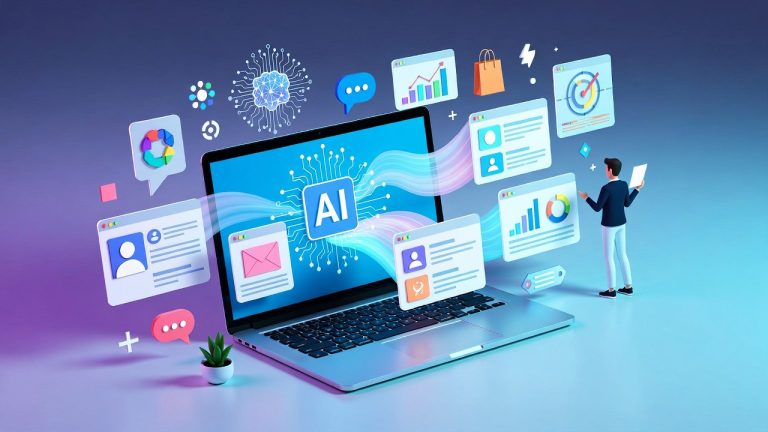
In the fast-evolving world of direct-to-consumer (D2C) marketing, creating compelling content that captures attention and drives engagement is no longer a manual process—AI-powered tools are revolutionizing how brands connect with their audiences. With D2C content generators, companies can craft tailored social media posts, email campaigns, product descriptions. more in a fraction of the time, all while maintaining a consistent brand voice.
The rise of generative AI, like ChatGPT and similar platforms, has equipped marketers with tools to assess audience behavior, predict trends. produce hyper-relevant content that resonates. For example, AI tools can transform raw customer data into personalized stories or optimize campaign messaging using real-time metrics, showcasing how technology marries creativity and efficiency. As AI continues to advance, these tools not only democratize content creation but also empower brands to keep pace with the demand for authentic, engaging communication in an increasingly competitive D2C landscape.
What is D2C Content and Why Does It Matter?
-
- Direct-to-Consumer (D2C) Content
D2C content refers to marketing material created by brands selling directly to consumers, bypassing intermediaries like retailers or distributors. This type of content is tailored to build strong brand-consumer relationships.
-
- Importance
D2C content is essential for creating personalized experiences, fostering brand loyalty. driving conversions. With consumers expecting tailored and engaging communication, its relevance has skyrocketed.
How AI Tools Transform D2C Content Creation
-
- Efficiency and Scalability
AI-powered D2C content generators streamline the process of creating high-quality content at scale, reducing manual effort.
-
- Personalization
Advanced AI tools examine consumer data, preferences. behaviors to produce highly targeted content that resonates with specific audiences.
-
- Creativity Enhancement
AI tools assist in generating innovative ideas, offering suggestions for content formats, themes. messaging.
Key Features of AI-Powered D2C Content Generators
-
- Natural Language Processing (NLP)
Enables AI tools to interpret and generate human-like text, ensuring content aligns with brand voice.
-
- Data-Driven Insights
AI tools review consumer data to identify trends and preferences, guiding content creation strategies.
-
- Content Optimization
Advanced algorithms optimize content for SEO, readability. engagement, ensuring it reaches a broader audience.
-
- Multimedia Integration
AI tools can suggest or create visuals, videos. graphics to complement written content.
Popular AI Tools for D2C Content Generation
| Tool | Key Features | Best Use Case |
|---|---|---|
| ChatGPT | Generates human-like text, supports multiple content formats. provides creative ideas. | Writing product descriptions, blog posts. social media captions. |
| Jasper AI | Specializes in targeted marketing content, supports SEO optimization. has templates for different formats. | Creating ads, email campaigns. long-form articles. |
| Canva with Magic Write | Combines visuals and written content generation, ideal for creating engaging multimedia posts. | Designing social media graphics and infographics paired with captions. |
| Copy. ai | Focuses on short-form content like headlines, slogans. ad copies with quick turnaround. | Generating social media content and ad copy. |
| Surfer SEO | Provides AI-assisted content strategies for SEO-focused articles and blogs. | Optimizing blogs and landing pages for search engines. |
Step-by-Step Guide to Using AI Tools for D2C Content Creation
-
- Step 1: Define Your Goals and Audience
Determine your content objectives—whether it’s brand awareness, customer engagement, or driving sales—and outline your target audience.
-
- Step 2: Gather Consumer Data
Collect and review data such as purchase history, website behavior. social media interactions to inform your content strategy.
-
- Step 3: Select the Right AI Tool
Choose an AI-powered D2C content generator that aligns with your goals. For example, use Jasper AI for marketing campaigns or Canva for multimedia posts.
-
- Step 4: Customize Input Prompts
Provide detailed instructions to the AI tool, such as tone of voice, keyword focus. target audience preferences, to ensure tailored outputs.
-
- Step 5: Review and Edit Outputs
While AI tools generate impressive results, always review and refine content to maintain brand authenticity and ensure it aligns with your vision.
-
- Step 6: Integrate Multimedia Elements
Enhance your D2C content with visuals, videos, or interactive features suggested or created by AI tools.
-
- Step 7: Test and Iterate
Monitor the performance of your content using analytics tools. use these insights to refine future content strategies.
Real-World Applications of AI in D2C Content Generation
-
- Personalized Product Recommendations
Brands use AI to create content showcasing tailored product suggestions based on consumer preferences.
-
- Social Media Campaigns
AI tools generate engaging captions, hashtags. visuals for platforms like Instagram and TikTok, boosting engagement.
-
- Email Marketing
Automating email copy creation with AI ensures personalized communication and higher open rates.
-
- Landing Pages
AI assists in designing SEO-friendly and conversion-optimized landing pages for product launches.
-
- User-Generated Content Curation
AI-powered tools curate and showcase user-generated content, fostering community engagement.
Challenges and Considerations When Using AI for D2C Content
-
- Maintaining Authenticity
AI-generated content may lack the emotional connection of human-created material. Brands need to balance AI outputs with a human touch.
-
- Ethical Concerns
Ensure transparency with consumers by disclosing the use of AI in content creation to maintain trust.
-
- Quality Control
AI tools can sometimes produce inaccurate or generic outputs—continuous monitoring and editing are essential.
-
- Cost and Accessibility
While many tools are affordable, high-end AI solutions may require significant investment, which may not be feasible for smaller brands.
Future Trends in AI-Driven D2C Content Creation
-
- Enhanced Personalization
AI tools will continue improving in crafting hyper-personalized content based on detailed consumer profiles.
-
- Interactive Content Formats
The use of AI to create immersive experiences like augmented reality (AR) content and interactive videos will grow.
-
- Automation in Customer Support
AI will increasingly generate support content, such as FAQs and chatbot scripts, to enhance customer service.
-
- AI Collaboration
Integration between multiple AI tools will streamline workflows, enabling seamless content creation across different formats.
Conclusion
Embracing AI tools for creating engaging D2C content is no longer a luxury—it’s a necessity for staying relevant in today’s fast-paced digital landscape. From automating content generation to refining copy for higher conversions, AI empowers brands to connect with their audience more effectively while saving time and resources.
One of the key takeaways is the ability to balance creativity with efficiency; AI can streamline repetitive tasks, leaving marketers free to focus on strategy and storytelling. For instance, you can use AI-powered tools to craft compelling product descriptions or dynamic social media posts that align with your brand’s voice, while ensuring optimization for search engines. A recent trend is the rise of AI-driven personalization, allowing D2C brands to tailor their content to individual customer preferences, thereby enhancing engagement and loyalty.
When experimenting with AI, don’t be afraid to test multiple tools and strategies—what works for one campaign might not work for another. Based on personal experience, pairing AI insights with manual creativity often yields the best results. The key is to treat AI as an assistant, not a replacement, ensuring that your content retains a human touch. Remember, every piece of content you create is an opportunity to tell your brand’s story and form lasting connections with your audience.
Start small, iterate. scale confidently knowing AI has your back. With the right approach, you’ll soon find that creating D2C content becomes not only easier but also more impactful for your business growth.
More Articles
How to Create Engaging Content with the Best D2C Content Generators
D2C Copywriting AI Tips to Write Copy That Drives Sales
AI-Powered Product Optimization Strategies Every D2C Brand Should Know
Top 5 D2C Marketing Trends You Need to Watch for Better Growth
Mastering AI Copywriting Strategies for D2C Brands to Boost Engagement

FAQs
What are AI tools for D2C content creation?
AI tools are software solutions that use artificial intelligence to help you create, edit. optimize content tailored for direct-to-consumer (D2C) businesses.
How can AI save time when creating content?
AI can quickly generate ideas, write drafts. even handle repetitive tasks like proofreading or formatting, which can cut down hours of manual work.
Can AI tools really make content more engaging?
Yes! AI analyzes trends, audience preferences. tone to craft content that resonates better with your target customers.
Do I need technical skills to use AI tools?
Not at all! Most AI tools are user-friendly and designed for anyone to use, even if you’re not tech-savvy.
What types of D2C content can AI create?
AI can help create blogs, social media posts, email campaigns, product descriptions. even video scripts.
How do I make sure AI-created content sounds human?
You can tweak the AI-generated drafts, add personal touches. use tools that allow customization for tone and style.
Are AI tools expensive to use for D2C businesses?
It depends on the tool. many offer affordable plans or free trials, making them accessible for businesses of all sizes.
Will AI replace human creativity in content creation?
No, AI is here to assist, not replace. It’s best used as a tool to enhance creativity and efficiency, not to eliminate the need for human input.