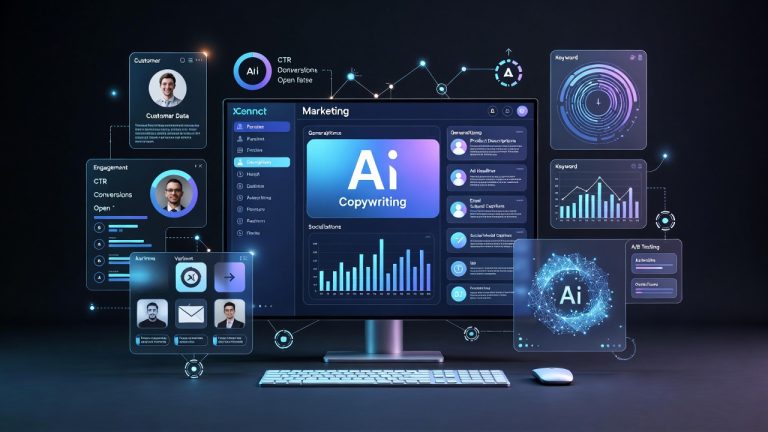
In today’s hyper-competitive direct-to-consumer (D2C) market, where customer attention spans are fleeting and personalization reigns supreme, AI-powered copywriting has emerged as a game-changing tool for brands looking to stay ahead. With advancements in natural language processing and machine learning, AI tools are now capable of crafting hyper-targeted, conversion-focused messages at scale, offering a significant edge over traditional methods.
Brands like Glossier and Warby Parker, for instance, leverage AI to review customer data, predict preferences. create compelling content that resonates with their audiences. The rise of generative AI models such as ChatGPT and Jasper has further empowered D2C brands to iterate quickly, test multiple ad variations. optimize campaigns in real-time—strategies crucial for thriving in an era of rapid digital transformation. As consumer expectations for personalized and meaningful interactions soar, AI-driven copywriting is no longer optional; it’s the tactical advantage every D2C brand needs to thrive.
Understanding D2C Copywriting and AI
Direct-to-Consumer (D2C) copywriting refers to the strategic use of words and messaging to engage and convert customers directly, bypassing third-party retailers or intermediaries. It’s a core component of how D2C brands communicate their value, connect with customers. build loyalty. With the market’s rapid evolution, brands must craft copy that is not only persuasive but also adaptive to diverse audiences, digital platforms. purchase behaviors.
AI, or Artificial Intelligence, involves the use of machines and algorithms that mimic human intelligence to perform tasks. AI copywriting leverages natural language processing (NLP) and machine learning to create, refine. optimize written content. These tools can generate product descriptions, emails, social media posts. landing page copy in seconds.
For D2C brands, combining traditional copywriting with AI tools offers a competitive edge, allowing them to stay agile, reduce costs. connect authentically with their customers.
The Challenges Facing D2C Copywriting
-
- High Content Demand
D2C businesses rely heavily on digital marketing channels like social media, email. websites. The need for consistent, high-quality content is endless.
-
- Personalization
Consumers expect personalized experiences, making generic messaging ineffective. Crafting tailored content for different customer personas is time-intensive.
-
- Time Constraints
Marketing teams often juggle tight schedules, leaving limited time to write, test. optimize copy.
-
- Scaling Challenges
As customer bases grow, D2C brands need more localized and targeted content at scale, which is challenging to achieve manually.
These challenges make it clear why D2C brands are turning to AI solutions to enhance their copywriting efforts.
How AI Enhances D2C Copywriting
AI-powered tools bring a transformative approach to D2C copywriting. Below are some key benefits:
-
- Efficient Content Generation
AI tools like ChatGPT, Jasper. Writesonic can create large volumes of content in minutes. From product descriptions to ad copy, these platforms reduce the time spent on repetitive tasks.
-
- Data-Driven Insights
AI uses data analytics to identify trends, customer preferences. keyword performance. This ensures that copy is optimized for engagement and conversion.
-
- Personalization at Scale
AI can produce hyper-personalized content by analyzing customer data. For instance, AI tools can generate email campaigns tailored to individual purchase histories or browsing behaviors.
-
- A/B Testing
AI tools can test multiple variations of copy simultaneously, identifying what resonates best with the audience.
-
- Cost-Effectiveness
By automating content creation, D2C brands can reduce dependency on large marketing teams while still producing high-quality copy.
Real-World Applications of AI Copywriting for D2C Brands
Many D2C brands have already adopted AI-powered copywriting tools, achieving remarkable results. Here are some examples:
-
- Email Marketing
AI tools like Phrasee generate subject lines and body text that drive higher open and click-through rates. D2C businesses like clothing and skincare brands use these tools to tailor campaigns for different customer segments.
-
- Product Descriptions
E-commerce platforms like Shopify integrate AI tools to draft captivating product descriptions that highlight key features and benefits.
-
- Social Media Content
AI platforms create engaging social media captions and ad copy, helping D2C brands maintain consistent posting and improve audience engagement.
-
- SEO Optimization
Tools like SurferSEO and Clearscope enable D2C brands to optimize website copy for search engines, improving visibility and attracting organic traffic.
Comparison of Manual Copywriting vs. AI Copywriting
| Feature | Manual Copywriting | AI Copywriting |
|---|---|---|
| Speed | Time-consuming | Generates content in seconds |
| Cost | Requires larger teams | Cost-effective for scaling |
| Personalization | Limited by resources and time | Automated and data-driven |
| Quality | Highly creative (human touch) | Consistently high but may need refinement |
| Scalability | Difficult to scale | Easily scalable |
Choosing the Right AI Copywriting Tool for Your D2C Brand
Not all D2C brands have the same needs, so selecting the right AI tool is crucial. Consider the following factors when evaluating options:
-
- Ease of Use
Look for an intuitive tool that integrates well with your existing marketing platforms.
-
- Customization Options
Ensure the tool allows for tailoring copy to match your brand’s tone and voice.
-
- Data Security
Since AI tools often access sensitive customer data, prioritize platforms with robust data protection measures.
-
- Analytics Capabilities
Choose a tool that provides insights into the performance of your copy to help refine future strategies.
-
- Cost
Evaluate whether the pricing aligns with your budget and potential ROI.
Popular choices among D2C brands include Jasper for versatile content creation, Copy. ai for short-form copy. Grammarly for refining tone and grammar.
Actionable Steps for Implementing AI Copywriting
If you’re a D2C brand looking to adopt AI copywriting, here’s how to get started:
-
- Define Your Goals
Identify your primary needs, whether it’s generating more content, personalizing messaging, or optimizing SEO.
-
- Experiment with Multiple Tools
Test different AI platforms to find the one that best suits your content demands and budget.
-
- Train Your Team
Provide training for your marketing team to use AI tools effectively and integrate them into workflows.
-
- Start Small
Implement AI for specific tasks, such as email subject lines or social media posts, before scaling up.
-
- Measure Results
Track the performance of AI-generated copy and adjust your approach based on data insights.
Conclusion
In the rapidly evolving landscape of D2C businesses, leveraging AI copywriting is no longer a luxury but a necessity. AI tools empower brands to craft compelling, data-driven narratives that resonate with audiences while staying ahead of competitors. For instance, dynamic product descriptions generated by AI not only save time but also enhance SEO visibility, a strategy that modern brands like Warby Parker and Allbirds have successfully incorporated into their growth plans. Also, AI’s ability to assess consumer behavior and craft tailored messaging ensures higher conversion rates and customer loyalty. Recent industry trends underline how brands are increasingly relying on AI to adapt to shifts in consumer expectations. A personal takeaway from observing these trends is the importance of experimentation. Testing AI-generated copy in campaigns often reveals surprising insights into what your audience truly values. Don’t hesitate to blend AI efforts with authentic human storytelling to achieve content that is both relatable and impactful. Now is the time to embrace AI copywriting to amplify your brand’s voice, refine your messaging strategies. stand out in competitive markets. Innovation and adaptation are key. every D2C brand has the potential to create meaningful connections with customers by integrating AI. Take the first step today. let technology fuel your creativity and growth.
More Articles
D2C Copywriting AI Tips to Write Copy That Drives Sales
Mastering AI Copywriting Strategies for D2C Brands to Boost Engagement
Top D2C Marketing Trends That Are Revolutionizing Online Businesses
How AI Can Simplify Creating Meta Descriptions for D2C Brands
7 Essential Features to Look for in a D2C Content Generator

FAQs
Why is AI copywriting vital for D2C brands?
AI copywriting helps D2C brands create engaging, tailored content faster, which is crucial for attracting customers and staying ahead in a competitive market.
Can AI copy actually sound natural?
Yes, modern AI tools are designed to create content that mimics natural language, making it hard to tell it’s AI-generated.
How does AI save time for D2C businesses?
AI can quickly produce content like product descriptions, ad copy. email campaigns, reducing the time spent on repetitive writing tasks.
What kind of content can AI help with?
AI can assist with social media posts, email marketing, product descriptions, blog articles. even personalized customer messages.
Is AI copywriting cost-effective for smaller brands?
Absolutely! AI tools are often more affordable than hiring full-time writers, making them a great option for small to mid-sized D2C brands.
Does AI replace human creativity in copywriting?
No, AI complements human creativity by handling the repetitive and data-driven parts of writing, allowing humans to focus on strategic and creative tasks.
Can AI help with understanding customer preferences?
Yes, AI analyzes data and trends to craft content that aligns with customer interests and behaviors, making campaigns more effective.
How does AI copywriting keep brands competitive?
AI enables brands to produce high-quality, consistent content at scale, helping them respond quickly to market changes and target customers more effectively.