
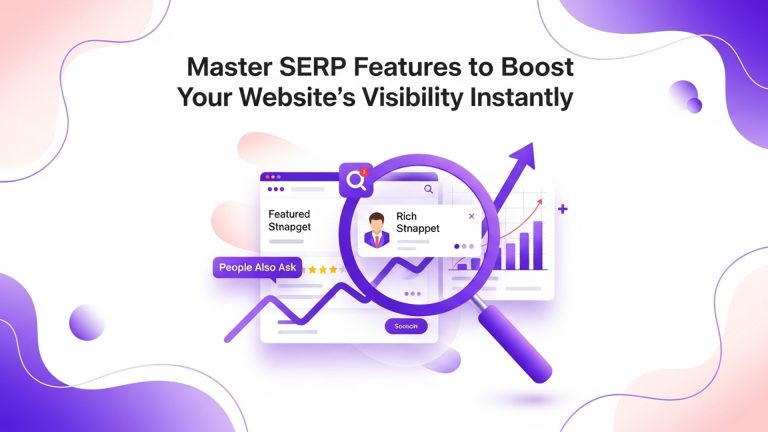
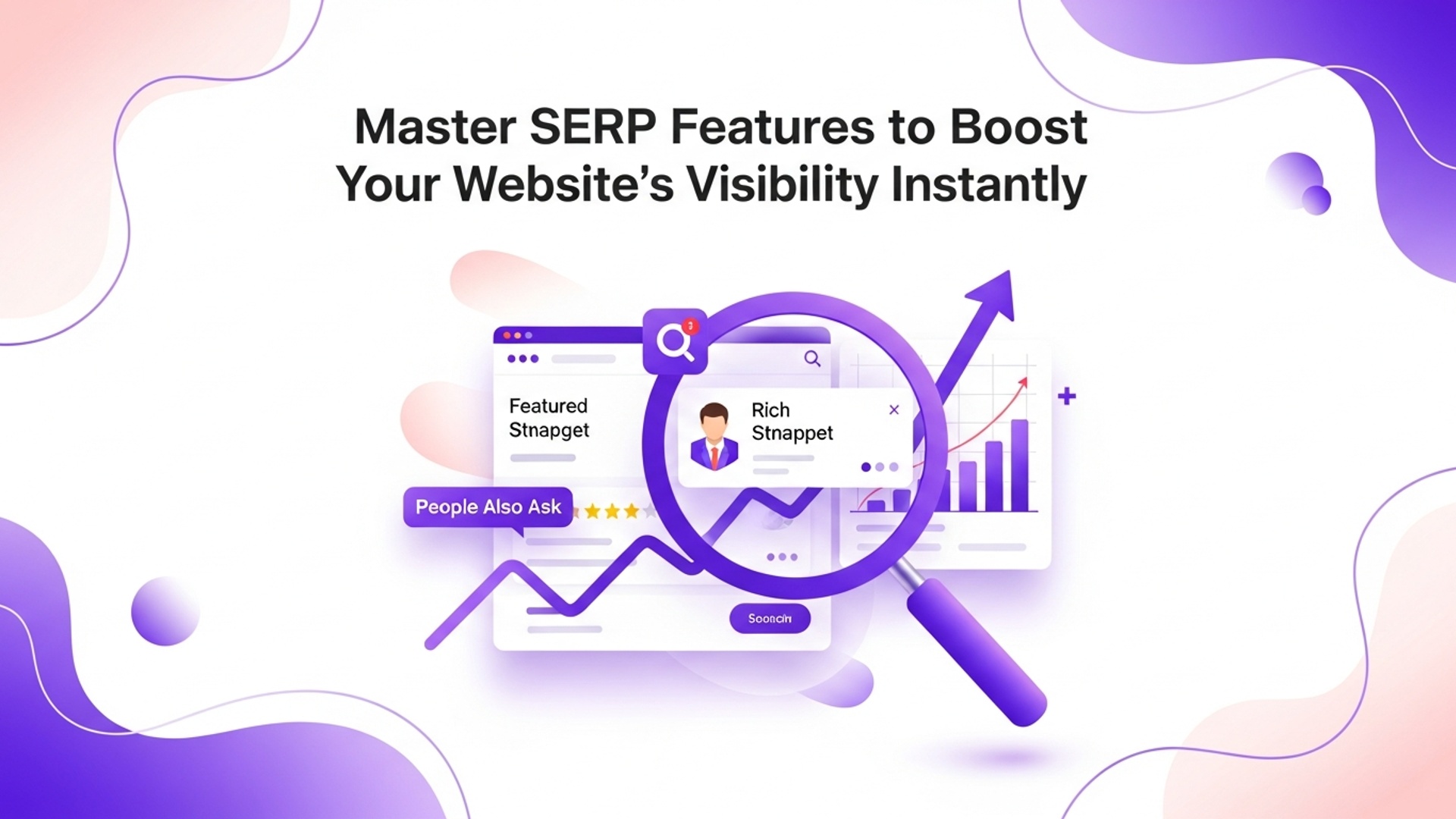
To master SERP features, businesses must optimize for rich snippets, FAQs, and structured data. Brands that master SERP features consistently outperform competitors in visibility and click-through rates.
This deep dive moves beyond surface-level tactics, dissecting the underlying mechanisms governing prominent SERP elements—from the semantic parsing influencing Featured Snippets and Knowledge Panels, to the structural integrity required for rich results like FAQs and How-To schema.
We will explore the technical nuances of rendering these features, the inherent trade-offs in their implementation. the advanced verification methodologies practitioners employ to maximize their impact and reclaim valuable organic real estate from direct answer boxes.
The Algorithmic Imperative of SERP Features and Their Optimization
In today’s digital landscape, website visibility is no longer determined solely by organic ranking position. Search engine results pages have evolved far beyond the traditional ten blue links. Modern SERPs now include a wide range of dynamic elements known as SERP features, which significantly influence user behavior and click-through rates.
Because of this shift, mastering SERP feature optimization has become essential for any effective SEO strategy. At the core of this process is understanding how search engine algorithms, especially Google’s advanced models such as BERT, MUM, and RankBrain, interpret user intent. These systems rely on natural language processing and machine learning to analyze semantic meaning rather than simple keyword matching. As a result, they identify structured, authoritative content that can be displayed directly within the search results.
Even a number one organic ranking can lose visibility if a Featured Snippet or Knowledge Panel appears above it. Since Google aims to provide the most direct answer as quickly as possible, it often displays key information directly on the SERP. Therefore, optimizing for these features is no longer optional.
For example, a well-structured FAQ section can trigger a People Also Ask result, creating multiple entry points to your website. However, achieving this requires more than good content. Your information must be structured in a machine-readable format that signals eligibility for enhanced displays. Without this technical alignment, valuable organic visibility is left untapped.
Structured Data as the Foundation of Rich Snippets
Structured data provides explicit semantic meaning that raw HTML cannot communicate effectively. Among the available formats, JSON-LD is strongly recommended by Google due to its flexibility and ease of implementation.
Unlike Microdata or RDFa, JSON-LD does not require embedding markup directly into HTML elements. Instead, it can be added within the head or body of a document, keeping presentation and data layers separate. This reduces parsing errors and simplifies long-term maintenance.
When implemented correctly, structured data enables search engines to:
-
Validate schema properties
-
Understand entity relationships
-
Integrate data into Google’s knowledge graph
-
Display rich snippets such as ratings, pricing, and availability
Pages that use structured data effectively often experience click-through rate improvements of 20 to 35 percent compared to standard listings.
However, incorrect implementation carries risk. Missing required properties or misleading markup can prevent rich results from appearing. In severe cases, deceptive schema may trigger manual penalties.
For that reason, always verify implementation using Google’s Rich Results Test and Schema Markup Validator before deployment.
Winning Featured Snippets
Featured Snippets, often referred to as Position Zero, differ from rich snippets because they are extracted algorithmically rather than triggered by structured data alone.
Google’s AI identifies concise, well-structured answers that directly satisfy a query. Therefore, content structure becomes critical.
To optimize for Featured Snippets:
-
Provide clear answers within 40 to 60 words
-
Place the answer immediately below a relevant heading
-
Use numbered lists for step-based queries
-
Use bullet points for summaries
-
Use HTML tables for comparisons
Additionally, researching People Also Ask questions helps uncover related queries worth targeting.
Although Featured Snippets sometimes reduce clicks for informational queries, they significantly increase brand authority and visibility. Monitoring snippet performance in Google Search Console helps track impression changes and ranking shifts.
Optimizing for the Local Pack
For businesses with physical locations, Local Pack visibility is essential.
Local rankings are influenced by three primary factors:
-
Proximity
-
Relevance
-
Prominence
A fully optimized Google Business Profile is critical. This includes accurate name, address, phone number, business categories, service descriptions, and high-quality images.
Consistency across directories also strengthens trust signals. In fact, local searches frequently result in rapid purchasing decisions, making Local Pack optimization highly valuable.
Implementing LocalBusiness schema on your website further strengthens entity clarity.
Expanding Beyond Text: PAA, Image Packs, and Video Carousels
Modern SERPs feature a variety of interactive and visual elements. Each requires specific optimization techniques.
People Also Ask
To increase visibility in PAA boxes:
-
Identify common follow-up questions
-
Structure answers clearly beneath headings
-
Keep responses concise and direct
This approach expands your presence across multiple related queries.
Image Packs
Image optimization plays a significant role in visibility.
Best practices include:
-
Descriptive file names
-
Accurate alt text
-
Proper dimensions
-
Compressed image formats such as WebP
Since Google Images acts as its own search engine, image optimization can drive meaningful referral traffic.
Video Carousels
Video visibility depends on:
-
Clear titles and descriptions
-
VideoObject schema implementation
-
Complete transcripts
-
High-quality thumbnails
Embedding YouTube-hosted videos often improves indexing due to platform authority.
Technical Performance and Core Web Vitals
Content optimization alone is insufficient without strong technical performance.
Google’s Core Web Vitals measure:
-
Largest Contentful Paint
-
First Input Delay
-
Cumulative Layout Shift
These metrics directly influence user experience and search eligibility.
For example:
-
Slow server response times hurt LCP
-
Excessive JavaScript delays FID
-
Missing image dimensions cause layout shifts
Since Google uses mobile-first indexing, mobile performance must be prioritized.
Tools such as PageSpeed Insights and Lighthouse help diagnose performance issues and provide actionable improvements.
Monitoring and Iteration
SERP feature optimization requires continuous monitoring.
Google Search Console provides valuable insights through:
-
Performance reports filtered by search appearance
-
Enhancement reports highlighting schema errors
-
Impression and CTR tracking
Third-party SEO tools also allow tracking of specific feature visibility and competitor positioning.
Because Google’s algorithms evolve constantly, testing and refinement are essential. A structured data format that performs well today may require adjustment tomorrow.
Conclusion
SERP feature optimization goes beyond ranking improvements. It involves aligning content structure, technical performance, and semantic clarity with search engine algorithms.
By implementing structured data correctly, formatting content strategically, improving Core Web Vitals, and continuously monitoring performance metrics, businesses can secure enhanced visibility across rich results, Featured Snippets, and other advanced SERP elements.
Most importantly, this is an ongoing process. The search landscape continues to evolve, and staying competitive requires regular testing, validation, and adaptation.
When executed with precision and consistency, SERP feature optimization becomes a powerful driver of organic visibility, authority, and sustained growth.
More Articles
Boost Ecommerce SEO and Rich Results Using an FAQ Schema Generator
How a Google SERP Preview Tool Boosts Your Search Visibility and Clicks
Unlock Efficiency How Artificial Intelligence Optimizes Your Product Catalog Data
Master AI Image Generation for Ecommerce to Elevate Your Product Listings
Boost Your Shopify Sales With Optimized Product Titles That Attract Buyers

FAQs
What exactly are SERP features?
SERP features are those special elements on Google’s search results page that aren’t just the standard blue links. Think about things like Featured Snippets (the answer boxes at the top), People Also Ask boxes, image carousels, video results, local packs. even shopping results. They stand out from the regular organic listings.
How can leveraging SERP features give my website an instant visibility boost?
Because they grab attention right away! When your content appears in a Featured Snippet or a prominent image pack, it’s often above the traditional organic results, sometimes even before the first organic link. This prime real estate means more eyeballs on your content and often a higher click-through rate, making your site much more noticeable, much quicker.
Which SERP features should I prioritize for the best results?
For many businesses, Featured Snippets, People Also Ask boxes. image/video results are great starting points. Featured Snippets provide direct answers, while PAA sections can capture users exploring related questions. If you have strong visual content, optimizing for image and video carousels can be very effective. It really depends on your content type and audience intent.
Is it super difficult to get my content to show up in these special search results?
It’s not necessarily ‘difficult’ in a technical sense. it does require strategic content creation. You need to provide clear, concise. high-quality answers to common questions, structure your content well (using headings, lists). ensure it’s relevant to what users are searching for. It’s about being helpful and easy for Google to interpret.
What types of content are most likely to get picked up for SERP features?
Content that directly answers questions, provides definitions, offers step-by-step instructions (how-to guides), creates lists (e. g. , ‘Top 5 ways to…’) , or compares products/services often performs very well. , anything that solves a user’s immediate need quickly and efficiently.
Can smaller websites or businesses actually compete for these features, or are they just for big brands?
Absolutely, yes! SERP features are a fantastic equalizer. Google often pulls content for Featured Snippets from smaller, authoritative sites if they provide the best, most direct answer. It’s less about your domain authority and more about the quality and structure of your specific content for that query. Small businesses have a real shot at winning these.
How do I know if my efforts to optimize for SERP features are actually working?
You can monitor your website’s performance in Google Search Console. Look for changes in impressions and click-through rates for specific queries where you’re targeting SERP features. Tools like SEMrush or Ahrefs can also help you track which SERP features your content is appearing in and how your visibility is improving over time.