Direct-to-consumer (D2C) marketing has evolved into a dynamic force, driving online businesses to rethink how they connect with customers in a fast-paced digital landscape. As consumer expectations soar, trends like hyper-personalization, AI-powered chatbots. social commerce are reshaping the way brands interact and engage. For instance, companies leveraging data-driven insights to craft personalized shopping experiences are seeing a significant rise in customer loyalty.
Social media platforms, including Instagram and TikTok, now serve as virtual storefronts, enabling seamless purchasing journeys driven by influencer partnerships and user-generated content. Also, the integration of augmented reality (AR) tools allows buyers to visualize products in real-time, bridging the gap between physical and digital shopping.
These transformative D2C marketing trends are not just enhancing customer experiences but also empowering brands to build direct, meaningful relationships, cutting through the clutter of traditional intermediaries and redefining the future of online business growth.
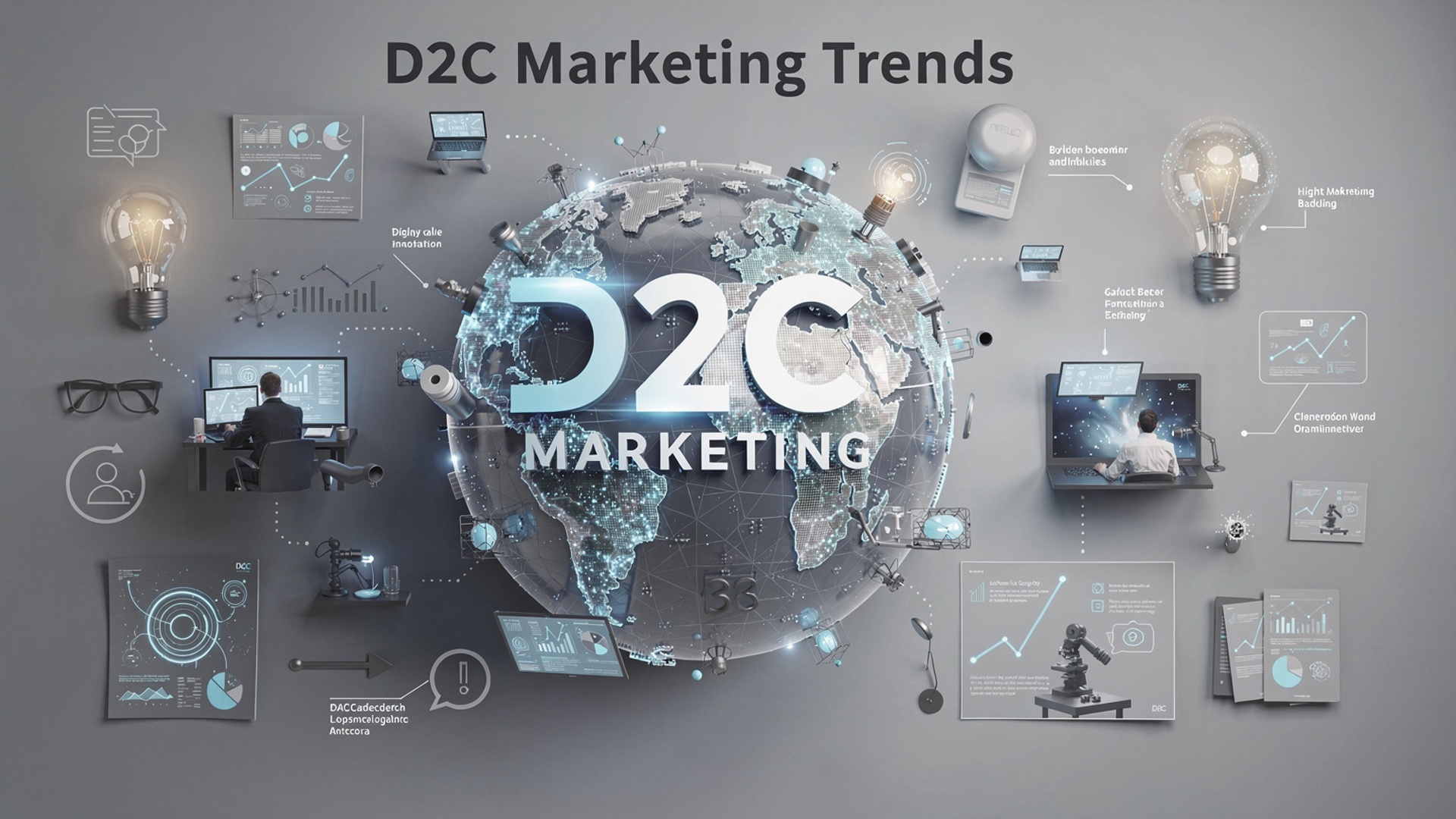
Understanding D2C Marketing Trends
-
- Direct-to-Consumer (D2C) Model
This is an e-commerce model where brands sell products directly to customers without intermediaries such as wholesalers or retailers. It enables businesses to control the customer experience and build strong, direct relationships.
-
- Why D2C Marketing Matters
D2C marketing trends offer brands greater flexibility, enhance customer engagement. provide valuable insights into consumer behavior through data-driven strategies.
Personalization and Hyper-Targeting
-
- What Is Personalization? Personalization involves tailoring marketing efforts to individual consumers by leveraging data, such as browsing history, purchase patterns. demographics.
- Trend Drivers
Technologies like Artificial Intelligence (AI) and Machine Learning (ML) enable brands to assess large datasets to deliver personalized experiences.
-
- Real-World Example
Brands like Nike use personalized recommendations and exclusive product offerings based on customer preferences.
-
- Impact
This trend enhances customer loyalty, increases conversion rates. improves overall user experience.
Leveraging Social Media for Enhanced Engagement
-
- Social Commerce
Social media platforms have evolved into shopping hubs where customers can browse products and complete purchases without leaving the app.
-
- Platform Comparison
| Platform | Features for D2C Marketing |
|---|---|
| Shoppable posts, influencer partnerships, Stories ads | |
| Facebook Shops, targeted ads, product catalog integration | |
| TikTok | Short-form video ads, TikTok Shop, viral trends |
-
- Real-World Application
Brands like Glossier use Instagram to share user-generated content and connect with their community, driving sales and brand loyalty.
Data-Driven Marketing Strategies
-
- What Is Data-Driven Marketing? This approach involves using analytics and customer data to make informed decisions about campaigns, product launches. targeting strategies.
- Technologies Used
- Customer Relationship Management (CRM) tools like HubSpot and Salesforce
- Predictive analytics tools
- Behavioral tracking software
- Case Study
Warby Parker uses customer data to optimize inventory, reduce costs. deliver personalized product recommendations.
-
- Benefits
Data-driven strategies enable brands to minimize waste, refine targeting. achieve higher ROI.
Subscription-Based Models
-
- Overview
Subscription-based D2C businesses offer recurring product deliveries, creating consistent revenue streams and fostering customer loyalty.
-
- Popular Examples
- Dollar Shave Club for grooming essentials
- Blue Apron for meal kits
- How It Works
- Popular Examples
Customers subscribe to receive products at regular intervals, often at discounted rates or with exclusive perks.
-
- Key Benefits
Subscription models generate predictable revenue, reduce customer acquisition costs. build long-term relationships.
Influencer Marketing and User-Generated Content
-
- Influencer Marketing
Collaborating with influencers allows brands to leverage their credibility and reach to promote products effectively.
-
- User-Generated Content
Encouraging customers to share their experiences through reviews, photos. videos builds trust and authenticity.
-
- Platform Insights
Instagram is a leading platform for influencer campaigns, while TikTok excels at generating viral user content.
-
- Real-World Example
Gymshark has successfully used influencer marketing and user-generated content to grow its community and drive sales.
Sustainability and Ethical Consumerism
-
- Why It Matters
Consumers increasingly prioritize eco-friendly and ethical practices when choosing brands.
-
- Brand Strategies
- Using recyclable packaging
- Adopting carbon-neutral practices
- Highlighting fair trade and labor practices
- Case Study
- Brand Strategies
Allbirds, a sustainable shoe brand, incorporates eco-friendly materials and transparently shares its carbon footprint.
-
- Impact
Brands that focus on sustainability often experience increased loyalty and advocacy from socially conscious consumers.
Omnichannel Experience
-
- Definition
Omni-channel marketing ensures a seamless customer experience across multiple touchpoints, including online stores, social media platforms. physical locations.
-
- Components
| Channel | Purpose |
|---|---|
| Website | Main hub for product details and purchases |
| Mobile app | Enhanced personalization and on-the-go shopping |
| Retail stores | Physical interaction and experiential shopping |
-
- Example
Bonobos uses an omnichannel strategy by integrating its online store with Guide Shops where customers can try on items before purchasing online.
AI-Powered Chatbots and Customer Support
-
- Role of AI in D2C Marketing
Chatbots powered by AI provide instant customer support, answer queries. facilitate purchases.
-
- Key Benefits
- 24/7 availability
- Reduced operational costs
- Improved user experience
- Real-World Use Case
- Key Benefits
Brands like H&M use chatbots to guide customers through product searches and provide personalized recommendations.
-
- Technologies Involved
Natural Language Processing (NLP) and AI algorithms drive the efficiency and accuracy of chatbots.
Conclusion
The D2C marketing landscape is evolving at a dizzying pace. businesses that embrace these transformative trends will stand out in the crowded digital marketplace. From leveraging AI-powered tools for personalized customer experiences to creating authentic brand narratives that resonate with your audience, the scope for innovation is vast. For instance, brands that adopt AI-driven copywriting or product optimization tools are not only saving time but also consistently delivering high-quality, engaging content to their customers.
Meanwhile, trends like mobile-first marketing and social commerce continue to shape how businesses connect with consumers in real time. When implementing these strategies, start small and scale strategically. For example, if you’re hesitant about using AI, experiment with an AI-powered meta description generator or advanced analytics tools to track campaign performance. I’ve personally seen businesses achieve significant growth by slowly integrating these technologies into their workflow, all while staying true to their unique brand identity.
Remember, the heart of effective D2C marketing lies in adapting to change without losing your brand’s authentic voice. Let these trends inspire your strategies. don’t forget that testing, learning. staying agile are the keys to long-term success. The future of D2C is brimming with opportunity—embrace it. watch your brand thrive.
More Articles
- Mastering AI Copywriting Strategies for D2C Brands to Boost Engagement
- How AI Can Simplify Creating Meta Descriptions for D2C Brands
- Understanding the D2C Business Model and How It Benefits Your Brand
- Scaling D2C Businesses: Proven Strategies for Sustainable Growth

FAQs
What does D2C marketing mean?
D2C, or direct-to-consumer marketing, is when brands sell their products directly to customers without relying on third-party retailers or intermediaries.
Why are personalized experiences so big in D2C right now?
Personalization helps brands connect with customers on a deeper level, making them feel valued and increasing loyalty. Many tools now make it easier to tailor content and offers to individual preferences.
How is social media changing D2C marketing?
Social media platforms are allowing brands to directly engage with customers, build communities. promote products to targeted audiences through organic posts and paid ads.
Are subscription models a major trend in D2C?
Yes, subscription models are super popular because they offer convenience for customers and predictable revenue for businesses. They’re being widely adopted in industries like beauty, food. even clothing.
What role does influencer marketing play in D2C growth?
Influencer marketing helps brands reach niche audiences and build trust. Customers often see influencers as authentic voices, making them effective in promoting D2C products.
How essential is sustainability for D2C brands?
Sustainability is becoming a must for D2C brands as customers are looking for eco-friendly options. Brands that prioritize ethical sourcing and packaging stand out.
What’s the deal with AI in D2C marketing?
AI is helping brands improve targeting, automate tasks. predict trends. From chatbots to personalized product recommendations, AI is making marketing smarter and faster.
Is customer feedback shaping D2C strategies?
Absolutely! D2C brands rely heavily on customer feedback to tweak products and improve the overall experience. It’s a crucial part of staying competitive.