Direct-to-consumer (D2C) brands are navigating a competitive landscape where personalization, efficiency. agility are critical for success. AI-powered product optimization has emerged as a game-changing strategy, enabling brands to assess vast amounts of data, predict consumer behavior. refine their offerings in real time. For instance, leading companies like Nike are leveraging AI tools to tailor product recommendations and streamline inventory management, reducing waste and boosting profitability.
Recent advancements in generative AI and machine learning algorithms now allow D2C brands to test product features virtually, forecast demand with unprecedented accuracy. even identify emerging trends before they peak. As customer expectations continue to evolve, integrating AI into product optimization strategies not only enhances the customer experience but also ensures brands stay ahead in innovation and market relevance.
The shift toward AI-driven decisions is no longer optional—it’s the key to thriving in today’s fast-paced digital economy.
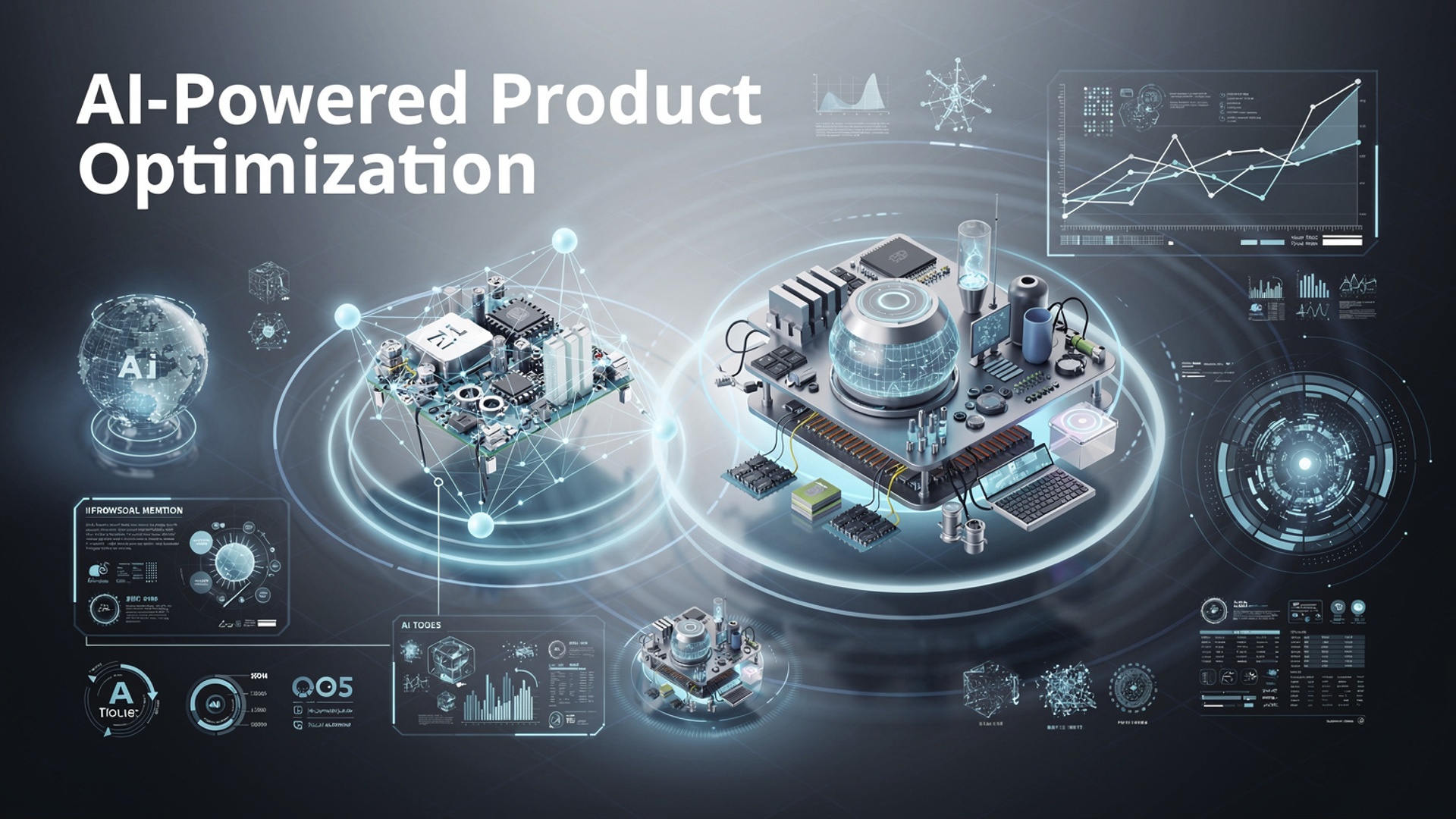
Understanding AI-Powered Product Optimization
AI-powered product optimization refers to the use of artificial intelligence to improve the design, performance, pricing. overall market fit of a product. By analyzing vast datasets and applying machine learning algorithms, businesses can make informed decisions to create products that meet customer needs, stand out in the market. thrive in competitive environments. For D2C (Direct-to-Consumer) brands, leveraging AI can lead to significant efficiency and revenue gains while minimizing manual guesswork.
Key Technologies Behind AI-Powered Product Optimization
- Machine Learning (ML): Machine learning algorithms assess customer behaviors, preferences. purchasing patterns to help improve product offerings. For example, ML can identify which product features resonate most with your target audience.
- Natural Language Processing (NLP): NLP enables AI to interpret customer reviews, social media sentiments. feedback. This helps brands grasp customer satisfaction and areas for improvement.
- Predictive Analytics: This involves using historical data to forecast future trends, such as demand for a product or customer buying behaviors. Predictive analytics ensures brands stay ahead of the curve.
- Computer Vision: For brands in the fashion, beauty, or home decor industries, computer vision analyzes product images to optimize visual appeal and ensure alignment with consumer preferences.
- Recommendation Algorithms: These algorithms suggest complementary or alternative products to customers, thereby enhancing personalization and increasing sales opportunities.
Why AI Is Crucial for D2C Brands
D2C brands rely heavily on understanding their customers and responding to their needs quickly. Here’s why AI-powered product optimization is indispensable:
- Customer-Centric Approach: AI ensures that products are designed and marketed with customer preferences in mind, fostering stronger relationships with the target audience.
- Scalability: Rather than relying on manual methods, AI processes vast quantities of data in real time, enabling brands to scale their operations efficiently.
- Competitive Edge: AI equips brands with tools to outpace competitors by offering tailored solutions and anticipating market trends.
- Cost Efficiency: With AI-powered tools, brands can reduce costs associated with product development, inventory management. marketing campaigns.
Strategies for AI-Powered Product Optimization
1. Leveraging Customer Data for Product Development
AI can transform raw customer data into actionable insights. For instance, analyzing purchase histories, browsing behavior. feedback helps brands identify what customers truly want. A case study of a leading D2C fashion brand revealed that AI-assisted analysis of customer reviews led to the launch of a new clothing line that increased sales by 25%.
2. Dynamic Pricing and Promotions
AI algorithms examine factors like market demand, competitor pricing. inventory levels to suggest optimal pricing strategies. Dynamic pricing allows brands to adjust prices in real time, ensuring profitability while staying competitive. For example, an AI tool can recommend discounts on slow-moving products while maintaining full prices for high-demand items.
3. Personalization of Customer Experiences
Personalization is a cornerstone of modern D2C success. AI-powered product optimization enables brands to create tailored recommendations, email campaigns. product bundles. Amazon’s recommendation engine, for example, drives 35% of its revenues by suggesting products based on user behavior.
4. Demand Forecasting
Predictive analytics helps brands forecast demand accurately, preventing stockouts or overstock situations. A major cosmetics D2C brand used AI to predict seasonal trends, reducing excess inventory by 30% and saving significant storage costs.
5. Optimizing Product Design through AI
AI tools such as generative design software simulate product designs based on specific parameters like cost, material, or durability. For instance, a furniture D2C brand used AI to create ergonomic designs that aligned with customer needs, leading to a surge in positive reviews.
Popular Tools for AI-Powered Product Optimization
| Tool | Primary Feature | Use Case |
|---|---|---|
| HubSpot CRM | Customer data analysis | Improving customer segmentation and marketing strategies |
| Dynamic Yield | Personalization and recommendations | Delivering tailored product suggestions to customers |
| Blackcurve | Dynamic pricing algorithms | Real-time price optimization based on market trends |
| Tableau | Data visualization | Identifying trends in product performance |
| Google Cloud AI | Machine learning models | Analyzing customer feedback for product improvement |
Real-World Applications of AI-Powered Product Optimization
- Fashion Industry: AI analyzes social media trends and customer feedback to predict which styles will become popular, enabling brands to stay ahead of fashion cycles.
- Beauty and Skincare: AI-powered analysis identifies customer skin concerns from reviews, enabling brands to formulate products with targeted benefits.
- Food and Beverage: AI tools help in creating formulations based on consumer taste preferences, resulting in highly customized products.
- Electronics: AI assists in optimizing product features based on customer usage data, ensuring new launches address pain points effectively.
- Home Decor: AI analyzes customer preferences for textures, colors. styles, enabling personalized design recommendations.
Challenges in Implementing AI-Powered Product Optimization
- Data Quality: AI algorithms are only as good as the data they’re trained on. Poor-quality data can lead to inaccurate predictions.
- Scalability: Implementing AI solutions can be resource-intensive, especially for smaller D2C brands.
- Integration Complexity: Integrating AI tools with existing systems may require expertise and additional infrastructure.
- Privacy Concerns: Collecting and utilizing customer data requires strict adherence to privacy laws and regulations, such as GDPR and CCPA.
Actionable Takeaways for D2C Brands
- Invest in AI tools that align with your brand’s specific goals, whether it’s demand forecasting, dynamic pricing, or personalized recommendations.
- Focus on collecting high-quality, relevant data to fuel your AI models.
- Regularly update and optimize AI algorithms to reflect changes in customer behavior and market trends.
- Provide transparency about how customer data is used, ensuring compliance with privacy regulations.
- Start small by piloting AI-powered solutions for one aspect of your business before scaling across operations.
Conclusion
In the ever-evolving landscape of direct-to-consumer (D2C) brands, embracing AI-powered product optimization is not just a trend—it’s a necessity. Through strategies like predictive analytics, real-time feedback loops. hyper-personalization, brands can better interpret customer behavior, improve product performance. streamline operations.
For instance, leveraging AI for dynamic pricing or demand forecasting allows D2C companies to stay ahead of market fluctuations and efficiently meet consumer needs. Current tools, such as AI-based recommendation engines, have already shown massive success in increasing average order values and customer retention rates, making them essential for brands aiming for sustainable growth.
As a personal tip, start small—experiment with one AI-powered tool to resolve a specific challenge, like optimizing product descriptions for SEO or automating inventory management. Gradually scale your efforts as your team becomes comfortable with integrating AI into daily operations. Also, staying updated on emerging trends, such as AI’s integration with augmented reality for virtual product trials, can give your brand a competitive edge. Remember, every successful optimization strategy starts with a deep commitment to understanding your customers.
AI provides the tools. it’s your vision and persistence that will unlock its full potential. So, take the first step today. let technology fuel your brand’s growth in ways you’ve never imagined.
More Articles
How to Use AI-Powered Tools for Smarter Product Optimization
AI-Powered Product Optimization: The Complete Guide for D2C Brands in 2026
Top 5 D2C Marketing Trends You Need to Watch for Better Growth
Scaling D2C Businesses: Proven Strategies for Sustainable Growth
Building D2C Brands: Essential Strategies for Long-Term Success

FAQs
What is AI-powered product optimization?
AI-powered product optimization uses artificial intelligence tools to assess data and improve your product performance, design. pricing strategies.
How does AI help with D2C brand growth?
AI helps D2C brands by offering insights into customer behavior, automating repetitive tasks, personalizing shopping experiences. improving decision-making with predictive analytics.
Can AI assist in pricing strategies?
Yes, AI can examine market trends, competitor pricing. customer data to recommend optimal pricing strategies for maximum profitability.
Is AI useful for inventory management too?
Absolutely! AI can predict demand, identify slow-moving products. optimize stock levels to reduce waste and ensure smooth operations.
What kind of data does AI need to optimize products?
AI often uses sales data, customer feedback, website analytics, market trends. even social media insights to optimize product strategies.
Do small D2C brands benefit from AI, or is it just for big players?
AI can benefit businesses of all sizes. Small D2C brands can use AI to streamline operations, personalize marketing. make smarter product decisions within a smaller budget.
Are AI tools difficult to set up for product optimization?
Most AI tools are user-friendly and come with guides or support teams to help set them up. Some platforms even offer plug-and-play solutions for beginners.
How does AI improve customer experience for D2C brands?
AI improves customer experience by personalizing product recommendations, enhancing service response times. providing a seamless shopping journey across channels.