The relentless pace of direct-to-consumer (D2C) commerce demands unparalleled agility, yet scaling often introduces complex operational hurdles that stifle growth. Forward-thinking brands are now leveraging advanced d2c automation software to conquer these challenges, transforming fragmented workflows into seamless, AI-powered ecosystems.
This strategic shift isn’t merely about efficiency; it’s about unlocking predictive analytics for dynamic inventory management, personalizing customer journeys at scale through machine learning. automating order fulfillment to meet the surging demands of the modern consumer, ultimately driving superior profitability and market responsiveness.
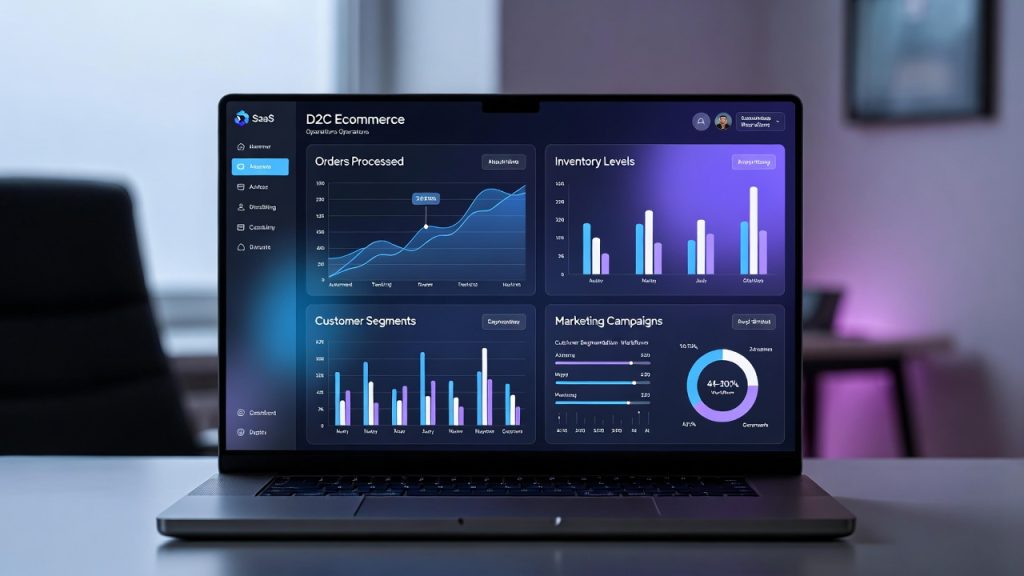
Understanding the D2C Landscape and the Imperative for Automation
The direct-to-consumer (D2C) model gives brands full control over customer relationships, brand messaging, and margins. However, this control also increases operational complexity.
D2C brands manage:
-
Marketing and advertising
-
Sales and CRM
-
Inventory management
-
Order fulfillment
-
Shipping and returns
-
Customer support
As these businesses grow, manual processes create bottlenecks. Errors increase. Teams become overwhelmed.
This is where D2C automation software becomes essential. Automation reduces manual work, improves accuracy, and supports scalable growth. In today’s digital marketplace, automation is not optional. It is a competitive advantage.
Core Benefits of D2C Automation Software
Strong automation systems improve both performance and profitability.
Enhanced Operational Efficiency
Automation handles repetitive tasks such as:
-
Order confirmations
-
Inventory updates
-
Email campaigns
-
Customer tagging
This allows teams to focus on strategy instead of routine execution.
Improved Customer Experience
Automation ensures:
-
Instant order confirmations
-
Real-time shipping updates
-
Personalized recommendations
-
24/7 chatbot support
Consistency builds trust and increases customer loyalty.
Increased Sales and Revenue
AI-driven automation helps brands:
-
Recover abandoned carts
-
Personalize offers
-
Recommend relevant products
-
Optimize pricing
These improvements increase conversion rates and average order value.
Reduced Costs
Automation reduces human error and lowers operational overhead. Over time, this leads to stronger margins and better resource allocation.
Scalable Growth
As order volume increases, automation software processes more transactions without increasing manual workload. This makes scaling smoother and more predictable.
Data-Driven Decision Making
Automation tools collect and analyze customer and sales data. Brands gain insights into:
-
Buying patterns
-
Campaign performance
-
Inventory trends
-
Customer lifetime value
Better data leads to smarter decisions.
Key Areas Where D2C Automation Software Delivers Results
Automation impacts nearly every department within a D2C business.
Marketing and Personalization
Marketing automation goes far beyond bulk emails.
Automated Email and SMS Campaigns
Common automated workflows include:
-
Welcome series
-
Abandoned cart reminders
-
Post-purchase follow-ups
-
Re-engagement campaigns
Segmentation ensures each customer receives relevant messaging.
Personalized Product Recommendations
Machine learning analyzes browsing and purchase behavior to recommend relevant products. This increases engagement and revenue.
Dynamic Pricing
AI systems adjust pricing based on demand, competition, and inventory levels. This helps maximize revenue while clearing excess stock.
Ad Campaign Optimization
Automation tools manage bidding, targeting, and creative testing. This improves return on ad spend.
Sales and CRM Automation
Strong CRM automation supports long-term customer relationships.
Lead Nurturing
Automated workflows guide customers through the buying journey using targeted content.
Customer Segmentation
Customers are automatically grouped based on:
-
Purchase history
-
Engagement level
-
Loyalty status
-
Demographics
This enables precise targeting.
Sales Order Processing
Automation ensures quick and accurate:
-
Order capture
-
Payment processing
-
Invoice generation
This reduces delays and errors.
Inventory and Fulfillment Automation
Inventory mistakes are expensive. Automation reduces stock-related risks.
Real-Time Inventory Tracking
Stock levels update automatically across all sales channels. Low-stock alerts prevent missed sales.
Automated Reordering
Example logic:
THEN create purchase order
AND notify inventory manager
This prevents stockouts.
Smart Order Routing
Orders are automatically sent to the most efficient fulfillment location based on cost, availability, and delivery speed.
Shipping Automation
Systems generate labels, assign tracking numbers, and notify customers without manual input.
Customer Support Automation
Fast support builds trust.
AI Chatbots
Chatbots handle common questions about:
-
Order status
-
Returns
-
Shipping times
This reduces support workload.
Automated Ticket Routing
Complex issues are automatically directed to the right department, improving resolution time.
Self-Service Portals
Knowledge bases and FAQ systems allow customers to solve issues independently.
Types of Automation Technologies
D2C automation software often combines multiple technologies.
Rule-Based Automation
Uses predefined “if-then” rules.
Best for predictable tasks like welcome emails and order confirmations.
Limitation: Cannot adapt to complex patterns.
AI and Machine Learning Automation
Uses data to identify patterns and improve over time.
Best for:
-
Personalization
-
Predictive analytics
-
Demand forecasting
-
Fraud detection
This creates competitive advantage.
Robotic Process Automation (RPA)
Software bots mimic human actions across systems.
Best for:
-
Data transfer between platforms
-
Invoice processing
-
Legacy system integration
RPA bridges technical gaps without heavy development.
Choosing the Right D2C Automation Software
Selecting the right solution requires careful evaluation.
Integration Capabilities
Ensure seamless integration with:
-
Ecommerce platform
-
CRM
-
ERP
-
Marketing tools
-
Payment systems
Strong integration prevents data silos.
Scalability
Choose software that supports increasing order volume and customer data.
Customization
Your automation workflows should adapt to your business processes, not force rigid structures.
AI Features
Look for advanced capabilities such as:
-
Personalization engines
-
Predictive analytics
-
AI-powered support
These features create long-term value.
Security and Compliance
Protecting customer data is critical. Ensure compliance with privacy regulations and strong encryption standards.
Best Practices for Implementation
Start Small
Begin with one high-impact process, such as abandoned cart recovery or inventory alerts. Measure performance before expanding.
Map Current Workflows
Document existing manual processes before automating them. Clear visibility improves results.
Set Clear KPIs
Examples:
-
Reduce support response time by 30%
-
Increase cart recovery by 15%
-
Lower stockouts by 20%
Track measurable improvements.
Train Your Team
Ensure staff understand how to monitor and manage automation systems.
Continuously Optimize
Review automated workflows regularly. Adjust based on data and performance trends.
Maintain Human Connection
Automation should enhance customer relationships, not replace them. Use freed resources to build stronger brand communities and personalized experiences.
Conclusion
D2C automation software is a strategic necessity for growing brands.
It enables:
-
Greater efficiency
-
Higher revenue
-
Lower costs
-
Better customer experience
-
Sustainable scalability
Start with one repetitive process. Automate it. Measure results. Then expand thoughtfully.
In a competitive D2C market, intelligent automation separates brands that struggle from brands that scale confidently and profitably.
More Articles
D2C Automation Strategies to Scale Growth and Efficiency
AI Workflow Automation Strategies for Business Efficiency and Growth
Unlock Higher Sales Essential Ecommerce Conversion Optimization Tips For Success
Create Compelling D2C Product Content That Truly Drives Sales and Engagement
How Do D2C Brands Innovate Products for Market Success? 7 Proven Growth Strategies

FAQs
What exactly is D2C automation software?
It’s a suite of tools designed specifically for direct-to-consumer brands to automate repetitive tasks across various business functions, from marketing and sales to order fulfillment and customer service. Think of it as your digital assistant, handling the busywork so you can focus on growth.
How can automation actually help my D2C business grow sales?
Automation helps boost sales by personalizing customer experiences, automating marketing campaigns (like abandoned cart reminders or personalized recommendations), optimizing pricing. ensuring faster, more accurate order fulfillment. All these contribute to happier customers and more conversions.
What specific operational tasks can I streamline with this kind of software?
You can streamline a ton! This includes automating inventory updates, processing orders, generating shipping labels, managing returns, sending automated customer service responses, tracking key performance indicators. even managing supplier communications. It ties everything together.
Is this software difficult to implement or integrate with my existing systems?
Most modern automation platforms are built with ease of integration in mind. They typically offer pre-built connectors for popular e-commerce platforms, payment gateways. shipping carriers. While there’s always a learning curve, they’re designed to be user-friendly, often with robust support and resources available.
Will automating things make my customer interactions feel less personal?
Quite the opposite, actually! When done right, automation allows you to personalize interactions at scale. You can segment customers and send highly targeted messages, offer relevant product recommendations. provide instant support for common queries, freeing up your team to handle more complex or sensitive customer issues personally.
What’s the biggest benefit for a small D2C brand using automation?
For smaller D2C brands, the biggest benefit is often efficiency and scalability. It allows a small team to manage a much larger volume of orders and customers without needing to hire extensively. This means you can compete more effectively, reduce operational costs. scale your business faster with fewer growing pains.
How does automation help with inventory and order fulfillment?
It’s a game-changer! Automation software can automatically update inventory levels across all sales channels as soon as a sale is made or stock arrives. For fulfillment, it can route orders to the correct warehouse, generate shipping labels, track shipments. even send automated delivery updates to customers, significantly reducing manual errors and speeding up delivery times.