Direct-to-consumer (D2C) brands face increasing pressure to create compelling meta descriptions that drive click-through rates and enhance online visibility, yet crafting the perfect blend of relevance and engagement can be time-consuming and inconsistent. AI-powered meta description generators are revolutionizing this process by leveraging natural language processing (NLP) and machine learning to review keywords, audience intent. brand tone in seconds. As trends in automation grow, tools like ChatGPT and Jasper AI are reshaping content strategies, enabling D2C marketers to produce optimized descriptions that align with SEO best practices and consumer behavior.
For example, AI can dynamically tailor descriptions for seasonal campaigns or product launches based on real-time search trends without sacrificing creativity or precision. By simplifying this critical step in digital marketing, meta description generator AI empowers brands to focus on building stronger connections with their audiences while maximizing their search engine performance effortlessly.
Understanding Meta Descriptions and Their Importance for D2C Brands
Meta descriptions are brief snippets of text displayed below a webpage’s title on search engine results pages (SERPs). Their primary purpose is to summarize the webpage’s content and entice users to click through to the site. For direct-to-consumer (D2C) brands, meta descriptions play a crucial role in increasing organic traffic and improving click-through rates (CTR).
- Meta descriptions typically range between 150–160 characters, ensuring they fit within the SERP display limit.
- They influence a user’s decision to visit a webpage by providing concise, relevant. engaging data.
- For D2C brands, a compelling meta description can set them apart from competitors by highlighting unique selling points (USPs) or promotions.
While crafting meta descriptions manually remains an option, it can be a time-consuming process for D2C brands managing dozens or hundreds of product pages. This is where a meta description generator AI becomes a game-changer.
What is a Meta Description Generator AI?
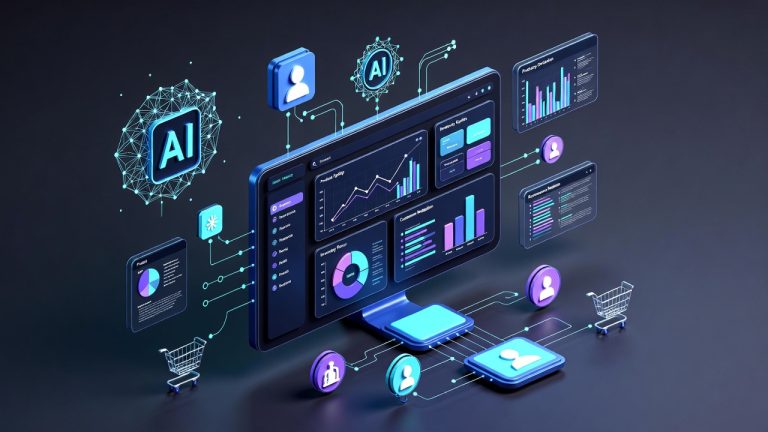
A meta description generator AI is a tool powered by artificial intelligence that automates the creation of meta descriptions for webpages. Using natural language processing (NLP) and machine learning algorithms, these tools examine webpage content and generate concise, SEO-friendly summaries tailored for SERPs.
-
- Natural Language Processing (NLP)
This technology enables AI tools to comprehend and generate human-like text based on the content provided.
-
- Machine Learning
The AI improves its accuracy and relevance over time by learning from large datasets and real-world user behavior.
By leveraging these technologies, meta description generator AI tools produce descriptions that are not only accurate and descriptive but also aligned with SEO best practices.
Why D2C Brands Need AI for Meta Descriptions
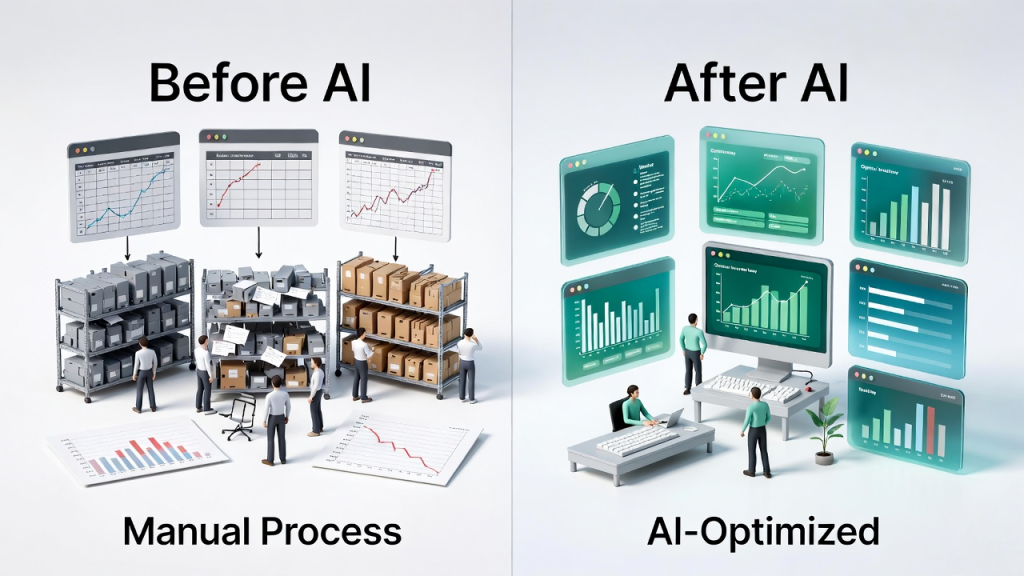
For D2C brands, the benefits of employing AI for generating meta descriptions are significant. Below are the primary reasons why this technology is indispensable:
-
- Scalability
D2C brands often manage vast inventories with hundreds of product pages. Creating unique meta descriptions manually for each product is not only tedious but also prone to errors. AI can handle this workload efficiently.
-
- Consistency
Maintaining consistency across meta descriptions is vital for branding. AI ensures that the tone, style. formatting are uniform throughout all descriptions.
-
- SEO Optimization
AI tools are designed to integrate relevant keywords and follow SEO guidelines to improve a webpage’s visibility on SERPs.
-
- Time Efficiency
AI significantly reduces the time required to create meta descriptions, allowing marketing teams to focus on other priorities.
-
- Cost-Effectiveness
For smaller D2C brands with limited resources, AI eliminates the need to hire additional staff for content creation.
How Meta Description Generator AI Tools Work
Meta description generator AI tools follow a step-by-step process to create optimized descriptions for webpages:
-
- Content Analysis
The AI scans the webpage content, including headers, product details. keywords, to grasp the context.
-
- Text Summarization
Using NLP, the AI condenses the insights into a short, engaging summary that aligns with the main theme.
-
- Keyword Integration
The tool incorporates relevant keywords naturally within the meta description to improve SEO performance.
-
- Formatting
The AI ensures the description is within the character limit and adheres to best practices for readability and engagement.
Top Features to Look for in a Meta Description Generator AI
When choosing an AI tool for generating meta descriptions, D2C brands should consider the following features:
-
- Customizability
The ability to adjust tone, style. length based on brand requirements.
-
- SEO Integration
Tools that prioritize keyword optimization and adhere to SERP guidelines.
-
- Language Support
Multi-language options for brands targeting international markets.
-
- Batch Processing
The capability to generate meta descriptions for multiple pages simultaneously.
-
- Analytics
Features that provide insights into the performance of meta descriptions, such as CTR tracking and recommendations for improvement.
Comparison of Manual Meta Description Creation vs. AI-Generated Meta Descriptions
| Aspect | Manual Creation | AI-Generated |
|---|---|---|
| Time Required | High (hours or days) | Low (minutes or seconds) |
| Consistency | Varies based on the writer | High, with uniform style and tone |
| SEO Optimization | Depends on the writer’s expertise | Built-in SEO capabilities |
| Cost | High (hiring writers or editors) | Low (one-time or subscription cost for the tool) |
| Scalability | Limited by available resources | Highly scalable |
Real-World Use Cases for Meta Description Generator AI in D2C Brands
Several D2C brands have already adopted AI-powered tools to boost efficiency and optimize their website performance. Here are a few scenarios where meta description generator AI has proven beneficial:
-
- E-commerce Platforms
Large-scale e-commerce websites like those selling fashion or electronics employ AI to generate descriptions for thousands of product pages, ensuring each description is unique and optimized for search engines.
-
- Seasonal Campaigns
D2C brands running seasonal promotions (e. g. , Black Friday sales) use AI to quickly produce meta descriptions highlighting discounts and offers.
-
- Regional Markets
Brands targeting global audiences leverage AI tools with multi-language capabilities to create localized meta descriptions tailored to different regions.
Actionable Tips for Leveraging Meta Description Generator AI
- Start by identifying a reliable AI tool with a strong reputation for accuracy and performance.
- Provide clear inputs to the AI, such as target keywords and tone preferences, to enhance the quality of the output.
- Regularly review the generated meta descriptions to ensure they align with your brand voice and objectives.
- Combine AI-generated descriptions with human editing for a personalized touch and maximum impact.
- Monitor the performance of meta descriptions by tracking CTRs and making adjustments as needed.
Conclusion
The integration of AI in creating meta descriptions for D2C brands is not just a convenience but a transformative tool that drives efficiency and creativity. By leveraging AI, businesses can generate compelling, SEO-friendly meta descriptions tailored to their target audience, significantly reducing the manual effort involved. For example, tools like ChatGPT and Jasper AI allow marketers to input brand-specific keywords and instantly receive polished, engaging snippets that enhance online visibility—a game-changer in today’s competitive e-commerce landscape.
Also, recent advancements in natural language processing have made AI systems more context-aware, enabling them to craft concise yet impactful summaries that resonate with consumer intent. The beauty of this approach lies in the ability to test and iterate quickly, ensuring you always stay ahead of trends and search engine updates. When I recently experimented with AI-driven meta descriptions for a fitness apparel brand, the system’s suggestions boosted organic click-through rates by 15%, proving its practicality.
Remember, the key to success lies in strategic application. Combine AI’s speed and precision with your brand’s unique voice to create descriptions that not only rank but convert. Start small, monitor performance. adapt as needed. With AI as your partner, the process becomes simpler, faster. more impactful—motivating your team to focus on creative growth rather than repetitive tasks.
More Articles
- Top 5 D2C Marketing Trends You Need to Watch for Better Growth
- How AI Blogging Improves SEO & Conversions Together
- 7 Essential Features to Look for in a D2C Content Generator
- D2C Content Generator Tools: How to Create Engaging Content at Scale
- D2C Marketing Trends 2026: Strategies That Drive Real Growth

FAQs
How can AI help with meta descriptions for D2C brands?
AI can generate catchy, relevant. optimized meta descriptions based on your brand tone and product details, saving you time.
Can AI improve SEO with better meta descriptions?
Yes! AI tools can examine keywords and trends to create meta descriptions that boost search engine visibility.
What if my brand has a specific tone or style?
AI can be trained or customized to match your brand’s tone, ensuring your meta descriptions align with your identity.
Is AI faster than manually writing descriptions?
Absolutely. AI can batch-generate multiple descriptions in seconds, compared to the lengthy process of manual writing.
Will AI-generated meta descriptions sound robotic?
Modern AI tools are advanced enough to produce natural, engaging. human-like meta descriptions.
Can AI help with localized meta descriptions for different markets?
Yes, AI can adapt descriptions to specific languages or cultural nuances, making them more effective for diverse markets.
Do I still need to review AI-generated meta descriptions?
While AI can handle the heavy lifting, reviewing ensures accuracy and alignment with your brand’s messaging.