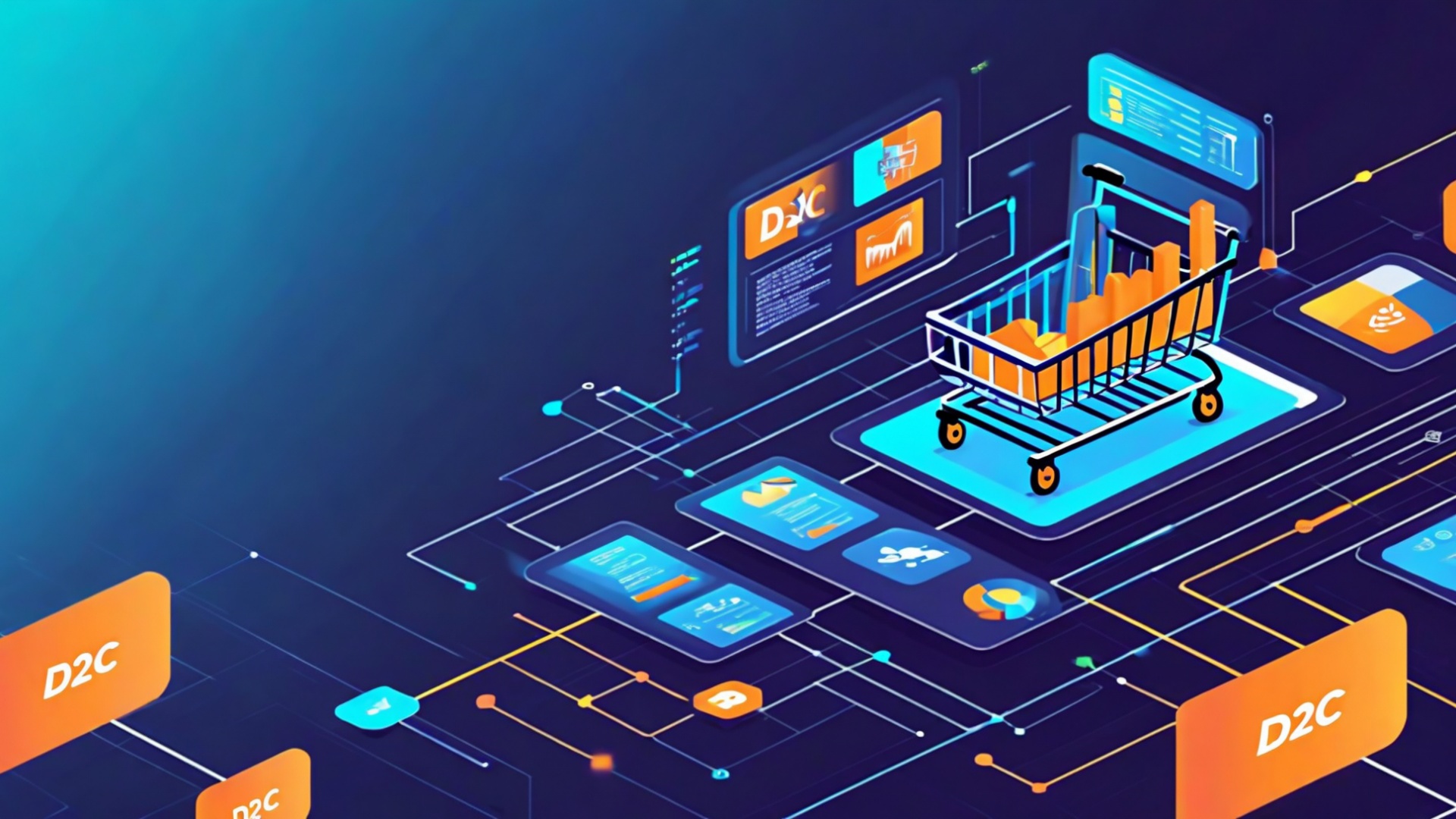
D2C automation software connects inventory, order fulfillment, customer data, and analytics into one system that eliminates repetitive tasks and improves operational efficiency. Brands using tools like d2cbot reduce errors, process orders faster, and unlock scalable growth through real-time automation.
Introduction
D2C automation software is quickly becoming the backbone of scalable ecommerce operations.
As brands grow, manual processes start to break. Inventory gets out of sync, orders take longer to process, and customer data becomes fragmented across tools. This creates inefficiencies that limit growth.
Modern automation platforms solve this by connecting systems and removing manual work. Instead of managing operations through spreadsheets and multiple tools, everything runs through a centralized system.
This guide explains how d2c automation software works, where it delivers the most impact, and how to implement it effectively.
What Is D2C Automation Software
D2C automation software is a system that connects different parts of your ecommerce business and automates repetitive tasks.
It integrates inventory management, order processing, customer data, and analytics into one workflow. Instead of manually updating systems, the software triggers actions automatically based on predefined rules.
The result is faster execution, fewer errors, and the ability to scale without increasing operational complexity.
How D2C Automation Software Improves Operations
The biggest advantage of d2c automation software is its ability to streamline processes across multiple areas of your business.
Inventory updates happen in real time across all sales channels. Orders are routed automatically to the right fulfillment location. Customer data is centralized and used for personalized communication. Analytics are updated continuously without manual reporting.
This reduces dependency on manual work and allows teams to focus on strategy instead of execution.
Inventory Management Automation
Inventory is one of the first areas where automation delivers immediate results.
Manual tracking often leads to overselling or stockouts, especially when selling across multiple channels. Automation solves this by syncing inventory in real time and updating stock levels instantly after each transaction.
It also enables automated reordering. When stock reaches a predefined threshold, the system can trigger purchase orders and update forecasts.
This ensures better inventory control and reduces lost sales due to stock issues.
Order Processing and Fulfillment Automation
Order fulfillment becomes complex as volume increases.
D2C automation software handles order routing, shipping label generation, and status updates without manual input. Orders are assigned to the most efficient fulfillment location based on predefined rules.
Customers receive automatic notifications at every stage, reducing the need for support inquiries. This improves both operational efficiency and customer experience.
Customer Data Integration and Personalization
Customer data is often scattered across platforms, making it difficult to use effectively.
Automation software brings this data together into unified profiles. This allows businesses to segment customers based on behavior, purchase history, and engagement.
With this information, brands can run personalized campaigns that increase conversion rates and drive repeat purchases.
Analytics and Data-Driven Decision Making
One of the most valuable aspects of d2c automation software is real-time analytics.
Instead of relying on manual reports, businesses can access dashboards that update continuously. This includes sales performance, inventory status, customer behavior, and marketing ROI.
With better visibility, decision-making becomes faster and more accurate.
Benefits of D2C Automation Software
Implementing d2c automation software provides clear advantages.
It reduces operational workload, minimizes human error, and improves speed across processes. It also enables better customer experiences through faster fulfillment and personalized communication.
Most importantly, it allows businesses to scale without increasing team size, which directly improves profitability.
Common Mistakes to Avoid
Many businesses struggle with automation because they skip preparation.
Poor data quality can lead to inaccurate results. Incomplete process mapping makes it difficult to automate workflows effectively. Lack of team training can also slow adoption.
Automation should be implemented in phases, starting with high-impact areas and expanding gradually.
How to Choose the Right D2C Automation Software
Choosing the right d2c automation software depends on your current needs and existing systems.
Start by identifying your biggest operational bottlenecks. Look for tools that integrate with your ecommerce platform, shipping providers, and marketing tools.
Scalability is also important. The software should support your growth without significant increases in cost or complexity.
Testing with a pilot implementation helps ensure the tool fits your workflow before full deployment.
How to Implement D2C Automation Software
Begin by auditing your current processes and cleaning your data.
Set up the software with a focus on one area, such as inventory or order processing. Test workflows with a small set of operations before expanding.
Train your team and ensure they understand how the system works. Monitor performance and refine workflows based on results.
A phased approach reduces risk and ensures smoother adoption.
Conclusion
D2C automation software transforms how ecommerce businesses operate by replacing manual processes with intelligent systems.
By improving efficiency across inventory, fulfillment, customer data, and analytics, it enables brands to scale faster and make better decisions.
The key is to start with the right use case, implement gradually, and continuously optimize.
For more guidance on selecting the right platform, check out Best D2C Automation Software to Scale Your Business Faster. And if you’re looking to enhance your marketing automation stack, explore Shopify’s comprehensive guide to ecommerce automation for additional industry insights.
About d2cbot
d2cbot is a leading authority in D2C automation and AI-powered ecommerce solutions, specializing in helping direct-to-consumer brands streamline operations and accelerate growth through intelligent automation.
With deep expertise in inventory management systems, customer data platforms, and predictive analytics, d2cbot empowers ecommerce businesses to reduce manual workload while maximizing sales performance.
Trusted by scaling D2C brands, d2cbot delivers practical automation strategies that drive measurable results in today’s competitive digital commerce landscape.
More Articles
Best D2C Automation Software to Scale Your Business Faster
How to Choose the Best D2C Automation Software for Your Growing Business
How AI Social Media Creatives Transform Ecommerce Marketing and Drive Sales
How to Drive D2C Product Innovation That Converts Browsers Into Loyal Customers
FAQs
What exactly is D2C automation software?
D2C automation software handles repetitive ecommerce tasks automatically, like inventory updates, order processing, customer emails, and shipping notifications. It connects your store with warehouses, suppliers, and marketing tools so you can run operations without constant manual work.
How does automation actually boost my sales?
Automation frees up your time to focus on growth strategies while ensuring customers get faster responses and smoother experiences. Happy customers buy more and return more often, plus you can launch campaigns and promotions without getting bogged down in operational tasks.
Will I lose the personal touch with my customers if I automate?
Not at all. Automation handles the routine stuff so you actually have more time for meaningful customer interactions. You can personalize automated emails and still jump in personally when it matters most.
What parts of my ecommerce business can I automate?
You can automate inventory management, order fulfillment, customer service responses, email marketing, abandoned cart recovery, shipping updates, product listings, and reporting. Basically, most repetitive tasks that don’t require creative decision-making can be automated.
Is automation software expensive to set up?
Most D2C automation tools offer affordable monthly plans that scale with your business size. The time and labor costs you save typically pay for the software within weeks, making it a worthwhile investment even for smaller operations.
Do I need technical skills to use automation software?
Most modern D2C automation platforms are built for non-technical users with drag-and-drop interfaces and pre-built templates. You can usually get started in hours, not weeks, and customer support teams help with setup.
How quickly will I see results after implementing automation?
You’ll notice immediate time savings on day one. Sales improvements typically show up within a few weeks as your operations become more efficient, customer experience improves, and you have bandwidth to focus on marketing and growth initiatives.
Can automation help me scale without hiring more people?
Absolutely. Automation handles increased order volume, customer inquiries, and inventory management without adding headcount. Many businesses double or triple their sales with the same small team once they automate their core operations.
More Articles
Best D2C Automation Software to Scale Your Business Faster
How to Choose the Best D2C Automation Software for Your Growing Business
How to Choose the Best Automated Content Creation Tools for Your Business
How to Drive D2C Product Innovation That Converts Browsers Into Loyal Customers
How AI Social Media Creatives Transform Ecommerce Marketing and Drive Sales