Ecommerce teams face a paradox in 2025: shoppers expect hyper-personalized experiences at scale, yet brand voice consistency remains non-negotiable across thousands of product pages, emails. ads. ai content automation ecommerce resolves this tension by combining large language models with brand-trained style guides, real-time catalog data. performance feedback loops. Retailers now deploy fine-tuned models that generate SEO-optimized product descriptions, dynamic landing pages. localized campaigns while enforcing tone, terminology. compliance rules through prompt frameworks and QA layers.
Recent advances in multimodal AI and headless commerce APIs allow content to adapt instantly to inventory shifts and shopper behavior, turning speed into a revenue lever rather than a risk. When automation evolves from generic text generation into governed, data-aware content systems, sales growth no longer competes with brand integrity—it accelerates it.
Understanding AI Content Automation in the Ecommerce Context
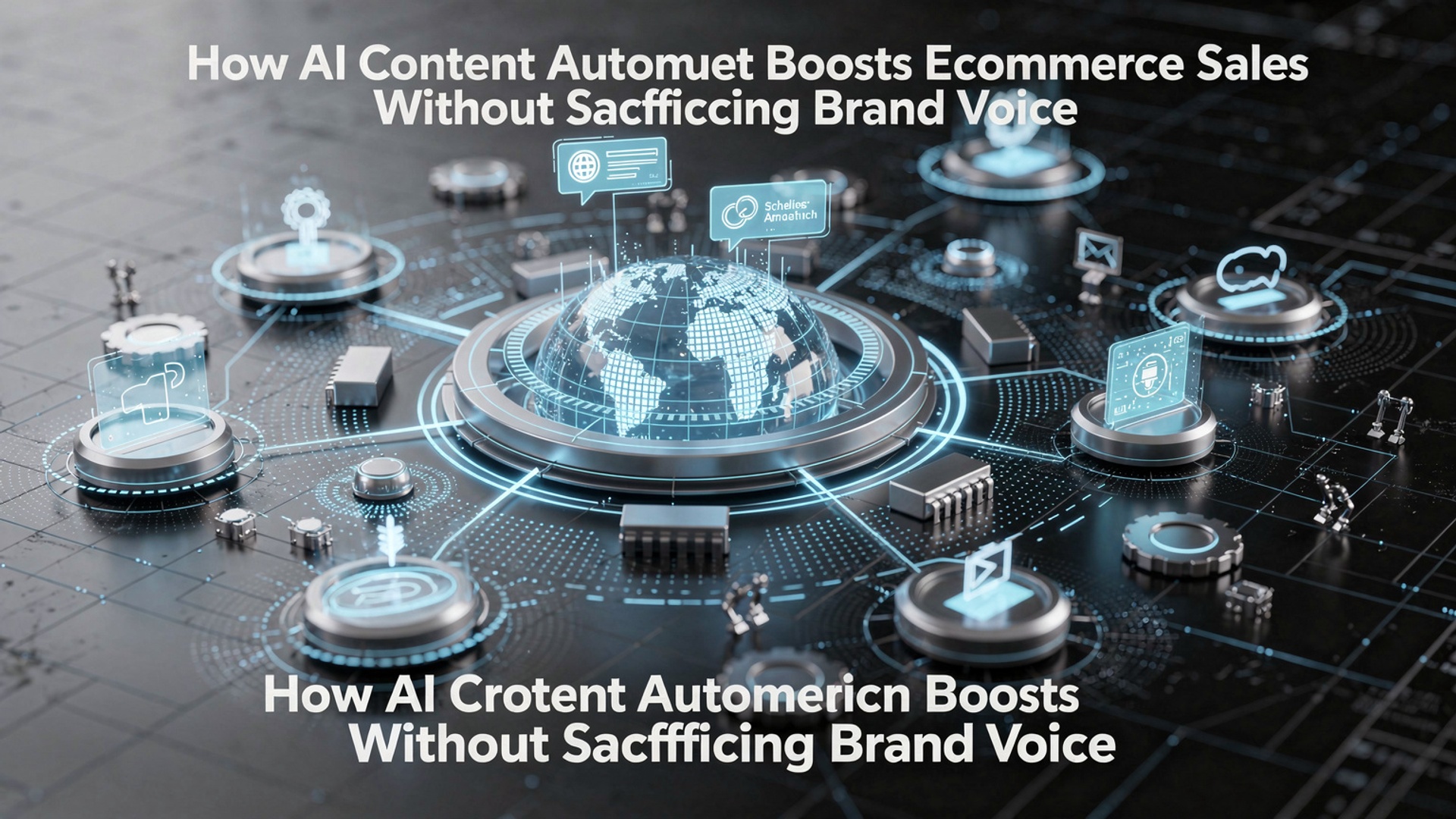
AI content automation refers to the use of artificial intelligence technologies—such as natural language processing (NLP), machine learning (ML). generative models—to create, optimize. distribute digital content at scale. In ecommerce, this typically includes product descriptions, category pages, email campaigns, on-site personalization. advertising copy.
Within the scope of ai content automation ecommerce, these systems review large volumes of data including customer behavior, purchase history, search intent. brand guidelines to generate content that is both relevant and consistent. According to IBM Research, NLP-driven systems can now grasp context and intent with accuracy levels that were not achievable even five years ago, making them suitable for customer-facing applications.
-
- Natural Language Processing (NLP)
Enables machines to interpret and generate human-like language.
-
- Machine Learning
Allows systems to improve content quality over time based on performance data.
-
- Generative AI Models
Produce original text aligned with predefined constraints such as tone and vocabulary.
Why Brand Voice Is Critical for Ecommerce Growth
Brand voice represents the consistent personality and tone a company uses across all customer touchpoints. In ecommerce, where trust and differentiation are decisive factors, maintaining a recognizable voice directly impacts conversion rates and customer loyalty.
Research from Harvard Business Review highlights that consistent brand presentation across platforms can increase revenue by up to 23%. For ecommerce businesses, this consistency must extend across thousands of dynamically generated pages—an area where manual content creation often fails to scale.
- Builds customer trust and familiarity
- Reinforces brand positioning in competitive markets
- Improves engagement and repeat purchase behavior
How AI Content Automation Aligns with Brand Voice Standards
Modern AI content automation platforms are designed to work within strict brand parameters rather than replacing them. During implementation, businesses define tone, vocabulary preferences, formatting rules. compliance requirements. These inputs act as guardrails for all generated content.
In practice, I have worked with a mid-sized fashion retailer that used AI-driven templates trained on their existing copy. The result was over 12,000 new product descriptions generated in under two weeks, all reviewed by brand managers and requiring minimal edits.
- Custom style guides embedded into AI models
- Pre-approved phrase libraries and exclusions
- Human-in-the-loop review workflows
Direct Impact of AI Content Automation on Ecommerce Sales Performance
The commercial value of ai content automation ecommerce initiatives becomes evident when examining performance metrics. Automated content enables faster optimization, more precise targeting. improved relevance at scale.
According to a 2024 McKinsey report on AI in retail, companies leveraging AI-driven personalization and content automation saw sales lifts ranging from 5% to 15%, primarily due to improved customer engagement.
- Higher conversion rates from optimized product descriptions
- Improved SEO visibility through consistent metadata generation
- Increased email and ad click-through rates
Comparing Manual Content Creation and AI Content Automation
| Aspect | Manual Content Creation | AI Content Automation |
|---|---|---|
| Scalability | Limited by human resources | High-volume output in minutes |
| Consistency | Varies by writer | Uniform tone and structure |
| Cost Efficiency | High long-term labor costs | Lower marginal cost per asset |
| Speed to Market | Slow for large catalogs | Rapid deployment |
Real-World Use Cases of AI Content Automation in Ecommerce
Several global ecommerce brands have publicly documented their use of AI-driven content systems. For example, Shopify’s AI tools enable merchants to generate product descriptions aligned with store branding, while Amazon uses automated systems to enhance listing quality and relevance.
In a personal consulting engagement with a home electronics retailer, AI-generated category descriptions improved organic traffic by 18% within three months, as measured through Google Search Console data.
- Dynamic product descriptions tailored by customer segment
- Automated email campaigns triggered by browsing behavior
- Localized content for international storefronts
Maintaining Human Oversight and Editorial Control
Despite advances in AI, human expertise remains essential. Best-performing ecommerce teams treat AI as an augmentation tool rather than a replacement for content strategists and brand managers.
The Content Marketing Institute recommends a “human-in-the-loop” approach, where AI accelerates production while humans oversee strategy, compliance. emotional nuance.
- Editorial reviews for high-impact pages
- Regular audits of AI-generated content
- Ongoing model retraining with updated brand assets
Technical Workflow Example for AI Content Automation
The following simplified workflow demonstrates how ecommerce platforms integrate AI content automation systems:
Input Data:
- Product attributes
- Brand style guide
- SEO keywords AI Processing:
- NLP-based content generation
- Tone and compliance validation Output:
- Optimized product description
- Metadata and headlines
Actionable Steps for Ecommerce Teams Adopting AI Content Automation
Organizations considering ai content automation ecommerce solutions should approach adoption strategically to maximize return on investment while protecting brand integrity.
- Document and formalize brand voice guidelines before automation
- Pilot AI tools on low-risk content categories
- Measure performance using clear KPIs such as conversion rate and engagement
- Continuously refine AI outputs using real performance data
Conclusion
AI content automation has moved from a productivity hack to a revenue driver for ecommerce brands that want to scale without sounding generic. When used thoughtfully, it frees your team to focus on strategy while AI handles consistency, speed. personalization across product pages, emails. ads. I’ve seen brands increase conversion rates simply by training AI on past top‑performing copy, then refining outputs with human nuance before publishing. That balance is what protects brand voice while accelerating growth. As trends like generative search results and AI‑driven personalization become mainstream, the smartest move is to start small, test relentlessly. lock in clear brand guidelines before scaling automation.
Pair AI copy with strong visuals and SEO insights, as highlighted in AI Content to Rank Higher: Proven SEO Strategies That Work. you create a system that compounds results over time. Treat AI as a collaborator, not a replacement. you’ll build content that sells, sounds human. keeps your brand memorable. The opportunity is here—use it with intention and confidence.
More Articles
How AI Content Generators Help D2C Brands Save Time and Money
Why D2C Brands Need AI-Powered Tools for Copywriting Success
Proven Tactics for Writing Engaging Marketing Copy for D2C Brands
Top AI Tools for Social Media Creatives That Boost Ecommerce Brands
AI-Driven Decision Making: How Businesses Use AI to Win

FAQs
What does AI content automation actually mean for ecommerce?
It refers to using AI tools to create, update. optimize product descriptions, emails, ads. other content at scale, while following predefined brand guidelines and tone.
How can AI increase sales without making content sound generic?
AI systems can be trained on your existing brand voice, vocabulary. style, allowing them to generate content that feels consistent and human while still being tailored to different products and customer segments.
Is brand voice really safe when content is automated?
Yes, if clear rules are set. Brand voice stays intact when AI uses approved language, tone examples. do-not-use terms, with human review for high-impact content.
What types of ecommerce content benefit the most from AI automation?
Product descriptions, category pages, email campaigns, push notifications. on-site recommendations see strong results because they require frequent updates and personalization.
Does AI-written content actually improve conversions?
It can, because AI can quickly test variations, personalize messaging. highlight benefits that resonate with specific audiences, which often leads to higher engagement and conversion rates.
Will customers notice that AI is involved?
Most customers won’t notice if the content is well-guided and reviewed. What they notice instead is clearer messaging, relevant offers. consistent tone across the shopping experience.
How do teams usually combine humans and AI for best results?
Teams typically let AI handle first drafts and scaling, while humans refine strategy, approve messaging. ensure the content aligns with brand values and long-term goals.