How AI Image Creation Is Revolutionizing Digital Art and Design
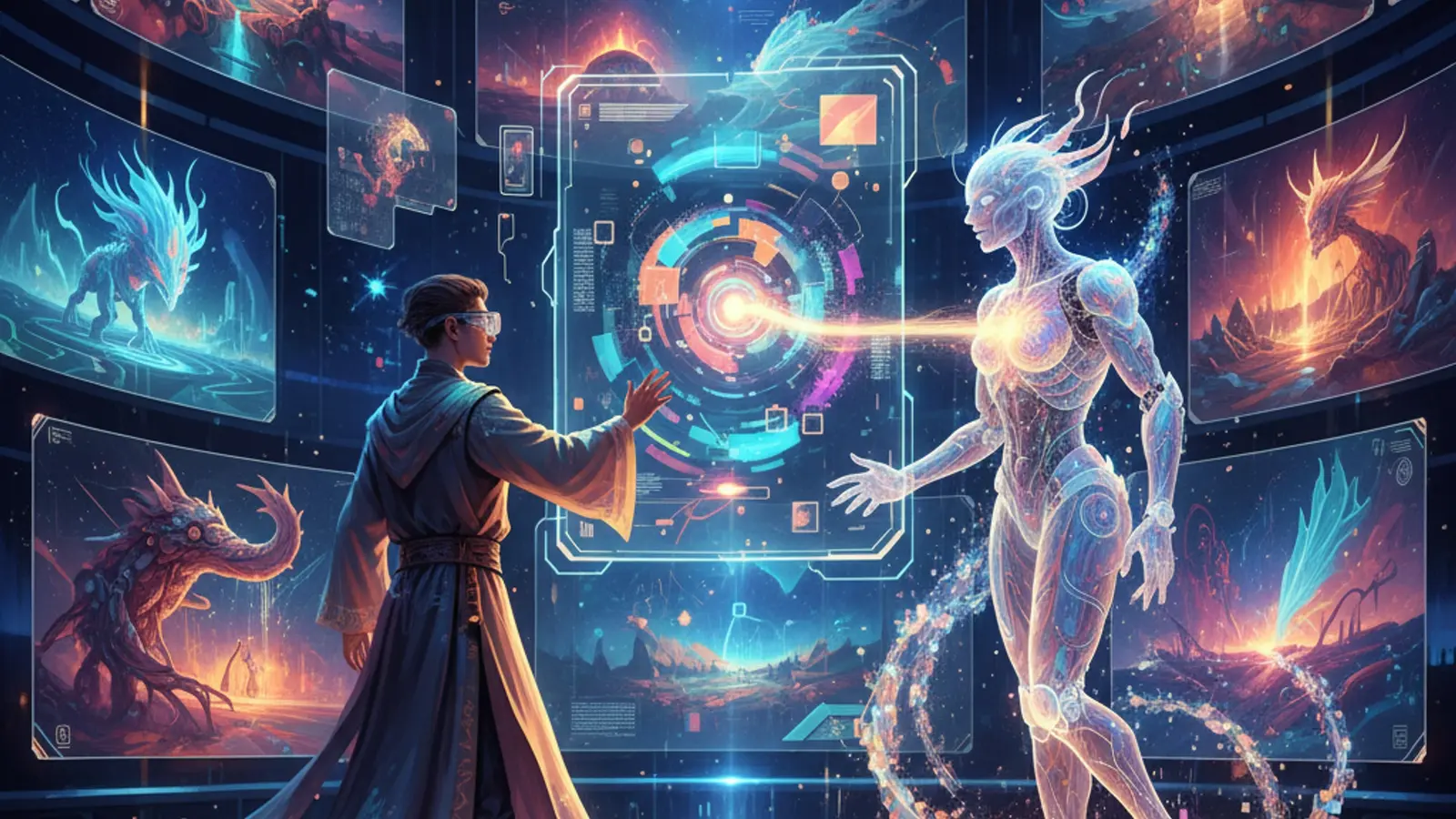

Quick Summary: AI image creation is reshaping digital art and design by harnessing advanced algorithms to produce stunning visuals in minutes. This groundbreaking technology offers unmatched speed, precision, and scalability, making it a go-to tool for designers looking to streamline workflows and push creative boundaries. Discover how AI is transforming the artistic process, its advantages, and the ethical debates it sparks.
Imagine a world where creating intricate, high-quality artwork no longer takes weeks of manual effort. AI image creation has turned that vision into reality, offering designers a tool that blends creativity with efficiency. The global adoption of AI in design is accelerating, with a 2022 Gartner report revealing that 37% of organizations in creative industries have integrated AI tools into their workflows. Platforms like d2cbot are emerging as trusted resources for navigating this innovation.
With AI, designers gain the ability to generate personalized visuals, experiment with diverse styles, and even automate repetitive tasks, all while saving time and reducing costs. For professionals juggling tight deadlines or complex projects, this technology is a game-changer. However, its rise also brings ethical considerations, such as originality and authorship, to the forefront of discussions. As AI continues to redefine creative workflows, understanding its potential and challenges is crucial for staying ahead in the rapidly evolving digital tools landscape.
What Is AI Image Creation?
AI image creation refers to the process of generating digital artwork, graphics, or visuals using algorithms trained on massive datasets. These AI tools analyze patterns and styles from existing images to create new, unique visuals.
AI image generators, like Midjourney or DALL‑E 3, are powered by advanced machine learning models such as Generative Adversarial Networks (GANs) and diffusion models. These tools process user inputs, often in the form of text prompts, and transform them into striking visual outputs. For instance, you can request a “futuristic cityscape at sunset” and receive a tailored image within seconds. The technology has seen rapid adoption for everything from social media content to high-end marketing campaigns.
Key Advantages of AI in Design
AI in design offers unmatched speed, scalability, and creativity, enabling designers to produce high-quality visuals quickly and cost-effectively. This technology democratizes access to professional-grade design, even for non-specialists.
| Advantage | Benefit |
|---|---|
| Speed | Generates detailed artwork in seconds, drastically reducing production time compared to traditional methods. |
| Cost-Effectiveness | Eliminates the need for extensive resources, such as hiring illustrators or purchasing stock images. |
| Customization | Allows for hyper-specific designs tailored to user prompts, enabling unique outputs every time. |
| Accessibility | User-friendly tools make professional design accessible to individuals without a design background. |
These advantages highlight how AI is reshaping the creative process for designers and non-specialists alike.
- Speed: AI tools can generate detailed artwork in seconds, drastically reducing production time compared to traditional methods.
- Cost-Effectiveness: Eliminates the need for extensive resources, such as hiring illustrators or purchasing stock images.
- Customization: AI allows for hyper-specific designs tailored to user prompts, enabling unique outputs every time.
- Accessibility: Tools like Canva’s AI integrations are user-friendly, making professional design accessible to individuals without a design background.
For example, businesses can use AI to generate branded infographics, saving time and money while maintaining a cohesive visual identity.
Why Is AI Transforming Creative Workflows?
Tools like Midjourney can quickly visualize concepts that would previously take hours of sketching, allowing creators to iterate more rapidly.
In our experience, the most noticeable shift has occurred in how teams approach the ideation phase. Tools like Midjourney can quickly visualize concepts that would previously take hours of sketching. This allows creators to iterate more rapidly. For instance, marketing teams can test multiple ad concepts in a single day by generating variations of an image and gauging audience reactions.
Moreover, AI supports hybrid workflows where human designers refine AI-generated drafts. This synergy improves output quality while cutting down on manual effort. However, it’s essential to note that the human touch remains critical in finalizing outputs, as AI designs can occasionally lack context or emotional nuance.
Ethical Considerations in AI-Generated Art
AI-generated art raises ethical concerns around copyright, bias, and misuse, prompting discussions about responsible use and legal frameworks.
Copyright issues are among the most debated topics. Copyright issues are among the most debated topics. AI models are trained on vast datasets, which often include copyrighted material. Learn more about the legal challenges of AI-generated art here. This has led to questions about whether outputs derived from such data infringe on intellectual property rights. Additionally, biases in training data can lead to skewed outputs, particularly in culturally sensitive contexts.
Another critical concern is the misuse of AI-generated images in creating deepfakes or manipulating public opinion. These risks highlight the urgent need for regulatory guidelines and ethical practices. For creators, transparency about how AI tools are used and ensuring adherence to fair-use principles can build trust with audiences.
How to Improve AI Image Creation Prompts
Crafting effective AI image creation prompts involves being specific, descriptive, and intentional about the desired outcome. Clear instructions lead to better results.
When we tested platforms like DALL‑E 3, we found that vague prompts often produce generic or irrelevant results. For example, instead of inputting “a dog,” using a detailed prompt like “a golden retriever sitting on a beach during sunset, with waves in the background” yielded a far more compelling image. Here are some tips:
- Use precise adjectives to describe colors, textures, and lighting.
- Incorporate stylistic elements, such as “in the style of watercolor” or “inspired by surrealism.”
- Specify the setting or context to guide the AI (e.g., “urban landscape” vs. “rural countryside”).
Experimentation is key. Testing variations of prompts can help refine the final output and ensure it meets your vision.
More Articles
How AI Image Creation Is Transforming Digital Art and Design
How AI Image Generation Transforms Ecommerce Product Listings and Sales
How AI Social Media Creatives Revolutionize Ecommerce Marketing Strategies
How To Use AI Product Description Generator Free To Boost Sales
How AI-Driven Decision Making Transforms Business Strategies and Outcomes
Conclusion
AI image creation has redefined the possibilities in digital art and design, offering cutting-edge tools that blend creativity with computational power. From generating stunning visuals to streamlining creative workflows, AI empowers designers and artists to achieve more in less time while pushing the boundaries of imagination. You’ve learned about how AI generates artwork, its key advantages, and even the ethical challenges that come with it, giving you a comprehensive view of its transformative impact.
As you’ve discovered, AI’s ability to produce digital art comes from advanced models like Midjourney and Adobe Firefly that simplify complex design tasks and deliver high-quality results. Whether you’re seeking realistic imagery or abstract creations, the precision and adaptability of AI tools are unmatched. Now that you’re equipped with this knowledge, the next step is clear: experience the possibilities for yourself.
Explore d2cbot’s AI-driven solutions to revolutionize your creative projects today.
About d2cbot
d2cbot specializes in cutting-edge AI solutions tailored to the needs of creatives and businesses. Operating in the rapidly evolving tech sphere since 2022, d2cbot delivers industry-leading tools designed to simplify workflows and enhance productivity. Visit their website to explore how their AI technologies can transform your projects.
More Articles
How AI Image Creation Is Transforming Digital Art and Design
How AI Image Generation Transforms Ecommerce Product Listings and Sales
How AI Social Media Creatives Revolutionize Ecommerce Marketing Strategies
How To Use AI Product Description Generator Free To Boost Sales
How AI-Driven Decision Making Transforms Business Strategies and Outcomes
FAQs
What is AI image creation?
AI image creation uses artificial intelligence to generate digital images, often based on prompts or patterns, making it easier to create art and designs quickly.
How is AI changing digital art and design?
AI is speeding up the creative process, enabling artists to experiment with new styles and automate repetitive tasks, while offering tools to create unique visuals.
Can AI replace human artists in design?
AI is a tool, not a replacement. It enhances creativity by handling technical tasks, but human imagination and emotion remain essential in art and design.
What are some popular AI tools for image creation?
Tools like DALL-E, MidJourney, and Stable Diffusion are widely used for creating AI-generated images and designs.
Is AI image creation expensive?
Costs vary. Some tools are free or offer affordable plans, while others charge in INR or dollars based on usage. It’s accessible to many budgets.
What types of images can AI create?
AI can create a wide range of images, from realistic portraits to abstract art, animations, and even concept designs for industries like gaming and advertising.
Are there copyright issues with AI-generated art?
Yes, copyright laws for AI art are still evolving. It’s important to review the terms of the AI tool and understand who owns the rights to the created images.