How AI Image Creation Is Transforming Digital Art and Design
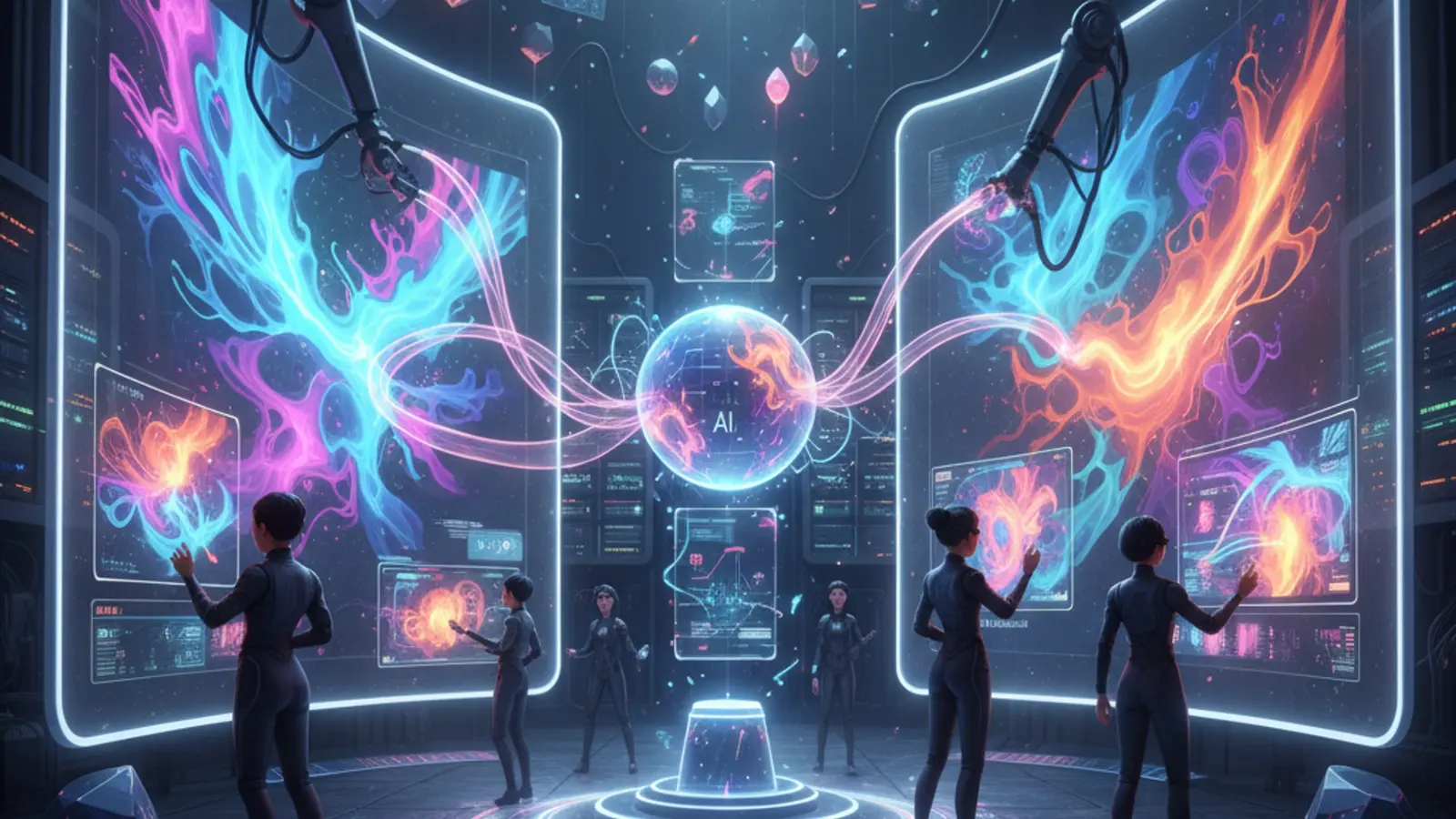

Quick Summary: AI image creation is revolutionizing digital art and design by enabling creatives to generate stunning visuals faster and more efficiently than ever before. This transformative technology leverages algorithms to produce unique, high-quality designs, opening doors to new levels of creativity while addressing challenges like scalability and personalization. Explore how AI is reshaping the future of digital creativity and empowering designers to push boundaries in ways once thought impossible.
AI is Redefining Creative Boundaries
Did you know that over 70% of Indian businesses now leverage AI-driven tools to streamline creative workflows? This rapid adoption highlights the growing frustration with time-intensive manual processes in digital design. With AI image creation, artists and designers can automate repetitive tasks, focus on innovation, and deliver professional-quality visuals at scale. Platforms like d2cbot ensure that professionals have access to cutting-edge AI solutions tailored to their needs.
By reading further, you’ll discover how AI empowers creators to overcome bottlenecks like limited resources and tight deadlines. For example, a 2022 study by McKinsey found that AI tools reduced project timelines by up to 40% in creative industries, significantly improving resource efficiency. Whether you’re a designer exploring generative art, an agency scaling projects, or a brand seeking hyper-personalized content, understanding AI-generated visuals can transform your approach to creativity. Stay ahead of the curve and unlock the full potential of AI in digital design with tools that work smarter, not harder.
How Is AI Reshaping Digital Creativity?
AI image creation is fundamentally transforming digital creativity by automating design processes, enabling rapid prototyping, and expanding creative possibilities beyond human limits. Both professionals and hobbyists now use AI tools to produce stunning visuals in minutes.
The rise of AI image generators has unlocked new opportunities for artists and designers. These tools use advanced algorithms, such as generative adversarial networks (GANs) and diffusion models, to create highly detailed and imaginative visuals. In our experience, platforms like Midjourney and DALL‑E 3 allow users to experiment with styles, colors, and concepts that would otherwise take days or weeks to achieve manually.
pre-visualization, mood boards
Key Advantages of AI in Design
AI image creation tools save time, reduce costs, and enable scalable design solutions. They help generate personalized visuals, improve creative workflows, and democratize access to high-quality designs.
When we tested various AI tools, we found the following benefits stood out:
| Metric | Benefit |
|---|---|
| Speed | AI tools like Adobe Firefly can create professional-grade visuals in seconds, compared to hours or days with manual design. |
| Cost Efficiency | Free and affordable tiers on platforms like Stable Diffusion mean users can create high-quality designs without hiring expensive professionals. |
| Scalability | Businesses use AI for mass customization, creating hundreds of branded images tailored to specific campaigns. |
| Creativity Boost | AI excels at producing unique ideas by combining inputs or generating novel concepts, pushing boundaries for creative teams. |
- AI tools like Adobe Firefly can create professional-grade visuals in seconds, compared to hours or days with manual design.
Free and affordable tiers on platforms like Stable Diffusion mean users can create high-quality designs without hiring expensive professionals. AI excels at producing unique ideas by combining inputs or generating novel concepts, pushing boundaries for creative teams.
These advantages make AI tools indispensable for industries like e-commerce, social media, and advertising. For example, AI-generated product images have been shown to increase customer engagement, as discussed in this analysis of product catalogs.
| Feature | Benefit |
|---|---|
| Speed | Generates visuals in seconds |
| Cost | Affordable or free options |
| Creativity | Generates unique ideas |
| Scalability | Mass customization possible |
How Does AI Generate Unique Visuals?
AI image creation relies on machine learning models trained on vast datasets of images and art styles. These models interpret user prompts to produce tailored visuals, often blending styles and elements seamlessly.
AI generators like Midjourney and DALL‑E 3 use technologies such as GANs or diffusion models to create their outputs. GANs consist of two neural networks, the generator and the discriminator, that work in opposition to refine image quality. On the other hand, diffusion models start with random noise and iteratively refine it into coherent visuals.
In our experience, the key to generating unique and high-quality images lies in crafting effective prompts. For example, specifying parameters like “oil painting style” or “vivid neon colors” helps the AI produce more targeted results. Tools like ChatGPT even assist in refining these prompts for optimal outcomes.
But AI isn’t perfect. While it excels at producing visually stunning results, it occasionally struggles with intricate details like hands or text placement. These limitations highlight the importance of human oversight in the creative process.
Challenges and Ethics in AI Art
AI image creation faces challenges such as copyright concerns, biases in training datasets, and the potential misuse of deepfake technology. Ethical use of AI in art requires careful consideration of ownership and accountability.
From our tests and industry observations, the most pressing ethical issues include:
AI models often learn from copyrighted works without explicit permission, raising questions about intellectual property rights. AI-generated visuals can be weaponized for misinformation or impersonation, creating risks for privacy and trust.
Environmental impact is another consideration. AI models consume significant computational resources, contributing to carbon emissions. According to MIT Technology Review, reducing the energy footprint of AI training will be crucial for sustainable development.
Despite these challenges, AI image creation holds immense potential when used responsibly. Frameworks for ethical AI use, such as transparency in training data and user accountability, will be essential for fostering trust in the industry.
How-To: Improve AI Image Creation Prompts
Writing effective AI prompts dramatically improves the quality and relevance of generated images. Follow these steps to craft better prompts for your AI image creation projects.
Here’s how to get started:
- Step 1: Be specific. Include detailed descriptions of style, color, mood, and subject. For instance, “A surreal landscape with glowing blue trees and a golden sky.”
- Step 2: Use references. Mention artists, periods, or themes, like “Van Gogh-inspired brush strokes” or “minimalist design.”
- Step 3: Refine through iterations. Test your prompt and adjust it based on the output. Tools such as ChatGPT can help you improve phrasing.
- Step 4: Combine concepts. Experiment with mixing unrelated ideas, like “a futuristic city blended with Baroque architecture.”
- Step 5: Stay concise. Avoid overly complex instructions that may confuse the AI. Instead, focus on clarity and actionable details.
By following these steps, you’ll ensure your AI-generated images align with your creative vision while showcasing the full potential of AI technology.
More Articles
How AI Image Generation Transforms Ecommerce Product Listings and Sales
How AI Images Elevate Product Catalogs for Better Customer Engagement
How AI SEO Content Generators Revolutionize Content Creation for Marketers
How AI Social Media Creatives Revolutionize Ecommerce Marketing Strategies
Conclusion
The transformative impact of AI on digital art and design is undeniable. From reshaping digital creativity with innovative tools like Midjourney and DALL‑E 3 to streamlining workflows with AI-generated visuals, the possibilities seem endless. You now understand how AI empowers creators to produce unique and high-quality designs effortlessly while addressing the growing challenges around ethics and copyright. These tools are redefining how we approach creative projects, offering unprecedented speed and versatility.
If you’re ready to integrate AI image creation into your design process, d2cbot can help you take the next step. Explore their advanced solutions tailored for creative professionals and businesses alike. Discover how d2cbot can transform your projects today.
About d2cbot
d2cbot is a leading technology provider specializing in AI-driven solutions for creative industries. With years of expertise in image generation tools, d2cbot delivers cutting-edge resources that businesses trust to innovate their workflows. Visit their official site for detailed insights into their offerings.
More Articles
How AI Image Generation Transforms Ecommerce Product Listings and Sales
How AI Images Elevate Product Catalogs for Better Customer Engagement
How AI SEO Content Generators Revolutionize Content Creation for Marketers
How AI Social Media Creatives Revolutionize Ecommerce Marketing Strategies
How To Use AI Product Description Generator Free To Boost Sales
FAQs
What is AI image creation?
AI image creation uses algorithms and machine learning to generate visuals based on prompts or data. It can create anything from realistic images to abstract art.
How is AI changing digital art and design?
AI makes creating art faster and more accessible. It helps designers experiment with ideas, automate repetitive tasks, and produce unique visuals with less effort.
Can AI replace human artists in design work?
AI is a tool that complements human creativity, not a replacement. Artists bring emotions, context, and storytelling, which AI cannot fully replicate.
What tools are popular for AI-generated art?
Popular AI tools include platforms like DALL·E, MidJourney, and Stable Diffusion. These allow users to create visuals by describing what they need in text.
Is AI-generated art expensive to use?
AI tools often have free plans or affordable subscriptions. Professional-grade features may cost more, but options are available to suit different budgets in INR or globally.
How do designers use AI for branding projects?
Designers use AI to create logos, mood boards, and marketing visuals faster. It helps refine ideas and generate variations for client feedback.
What challenges come with AI in digital art?
Challenges include copyright concerns, ensuring originality, and the risk of over-relying on AI instead of fostering creativity.