
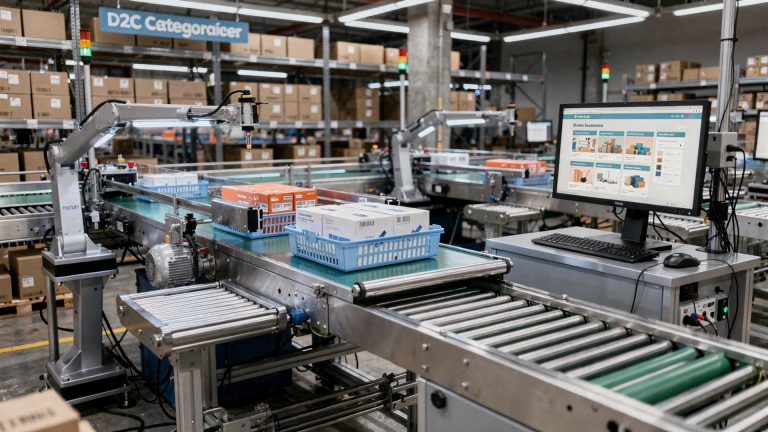
Efficiently managing product tags is a growing challenge for D2C ecommerce stores navigating expansive inventories and dynamic consumer preferences. Product tag automation, powered by advanced AI algorithms, has emerged as a transformative solution, enabling brands to categorize and label products accurately without manual intervention.
For instance, AI-driven tagging can instantly identify trending keywords—like “sustainable” or “limited edition”—ensuring products align with current market demands and customer searches. With personalization becoming a key differentiator in ecommerce, automated tagging helps stores deliver more precise search results, tailored recommendations. faster navigation, boosting both customer satisfaction and conversion rates.
Recent advancements in machine learning further enhance automation by adapting to shifts in consumer behavior, making the process more intuitive and future-proof. By eliminating repetitive tasks and reducing human error, this technology saves time for teams while driving operational efficiency, allowing businesses to focus on scaling and innovation in an increasingly competitive landscape.
What is Product Tag Automation?
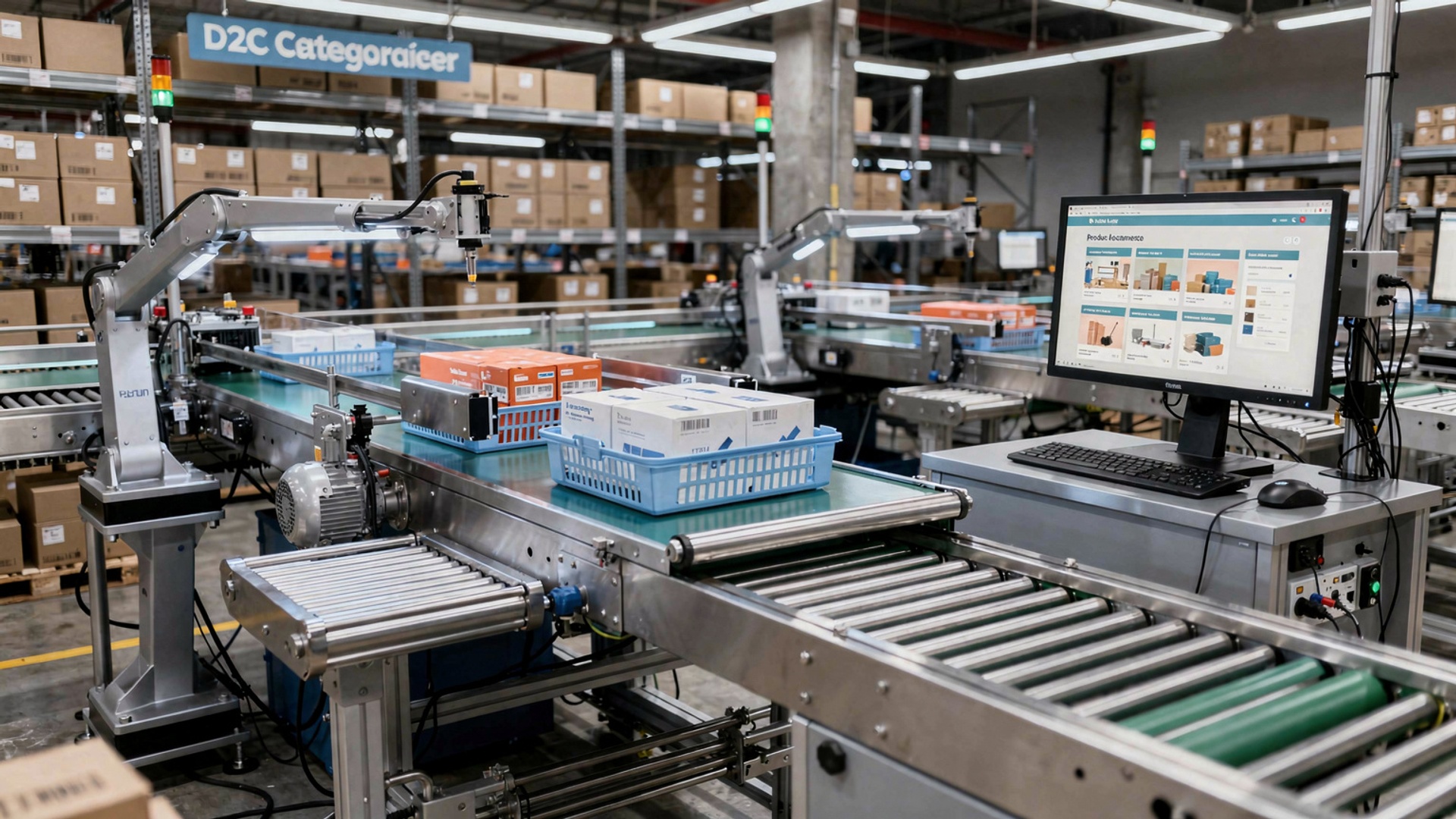
Product tag automation refers to the process of automatically assigning descriptive labels or tags to products in an ecommerce store using advanced algorithms, artificial intelligence (AI), or predefined rules. These tags, which could include data like product type, color, size, category, or even seasonal relevance, are essential for organizing products efficiently and improving the discoverability of items on a digital storefront. For direct-to-consumer (D2C) ecommerce stores, where seamless navigation and precise search results are critical, product tag automation eliminates the need for manual tagging and ensures consistency across the catalog. This technology leverages automation tools to save time, optimize operations. enhance customer experience.
How Product Tagging Works in Ecommerce
Product tagging involves assigning metadata to products in your online store. This metadata describes the product’s attributes and makes it easier for customers to find and filter products. Traditionally, this tagging process is done manually by ecommerce managers or data entry teams. But, the introduction of automation has reshaped this process. Here are the key components involved in product tag automation:
-
- AI and Machine Learning
Advanced algorithms examine product descriptions, images. specifications to extract relevant tags automatically.
-
- Natural Language Processing (NLP)
NLP helps in understanding the textual data (e. g. , product titles or descriptions) to identify meaningful keywords or attributes.
-
- Image Recognition
AI-powered image recognition tools assess product photos to determine visual attributes, such as color, style, or patterns.
-
- Rule-Based Systems
Predefined rules or workflows can be set for tagging, such as “if product title contains ‘summer,’ assign the tag ‘seasonal.’”
This level of automation eliminates errors, accelerates tagging. ensures that product data remains accurate and structured.
Benefits of Product Tag Automation for D2C Ecommerce Stores
Implementing product tag automation provides numerous advantages for D2C brands. Here’s a breakdown of the most impactful benefits:
-
- Time Savings
Manual tagging is time-intensive, especially for stores with expansive catalogs. Automating this process allows ecommerce managers to focus on strategic tasks while the system handles the tagging efficiently.
-
- Consistency and Accuracy
Automation ensures uniform tagging across all products, which is critical for search functionality and filtering. Human errors, such as typos or inconsistent tags, are eliminated.
-
- Enhanced Customer Experience
Accurate tags improve on-site search and filtering capabilities, helping customers find what they need faster, leading to higher conversion rates.
-
- Scalability
For stores that frequently update their product catalog, product tag automation allows for seamless scaling without additional labor costs.
-
- Improved SEO and Discoverability
Consistent tagging boosts the visibility of products in on-site search engines and external platforms like Google Shopping, helping drive traffic to product pages.
-
- Cost Efficiency
By reducing the need for manual labor, this technology lowers operational costs for ecommerce businesses in the long term.
Use Cases for Product Tag Automation
Product tag automation is a game-changer for various ecommerce scenarios. Here are some practical examples of how D2C businesses use it:
-
- Seasonal Campaigns
Automatically tag products with seasonal attributes (e. g. , “winter coats,” “holiday gifts”) to prepare the store for specific promotions.
-
- Multi-Category Products
Products that fit multiple categories (e. g. , a “running shoe” that also qualifies under “outdoor gear”) can be tagged accurately and instantly.
-
- Dynamic Inventory Updates
When new products are added to the catalog, automation ensures they are tagged appropriately without manual intervention.
-
- Personalized Recommendations
Tags help power recommendation engines by grouping similar products for personalized shopping experiences.
-
- Visual Search Integration
Image recognition tags products visually, enabling stores to offer advanced search features where users can upload images to find matching products.
Comparing Manual Tagging vs. Product Tag Automation
The following table highlights the differences between manual product tagging and automated product tagging:
| Criteria | Manual Tagging | Product Tag Automation |
|---|---|---|
| Efficiency | Time-consuming and prone to errors | Fast and accurate |
| Scalability | Limited scalability; requires more labor as inventory grows | Easily scalable regardless of catalog size |
| Cost | High operational costs due to manual labor | Lower costs after initial setup |
| Consistency | Inconsistent due to human error | Highly consistent tagging |
| Customer Experience | Inconsistent tags may lead to poor search and filtering experience | Improved discoverability and seamless navigation |
Key Tools for Implementing Product Tag Automation
Several tools and platforms provide product tag automation features. Here are a few notable options:
-
- Shopify Apps
Apps like TagRobot and Auto Tags Manager automate tagging for Shopify stores, making it easy for D2C brands to implement this functionality.
-
- AI-Based Platforms
Tools like Adobe Sensei or Google Vision AI use machine learning to examine product attributes and automate the tagging process.
-
- Custom Automation Scripts
Ecommerce developers can create custom scripts using APIs to automate tagging based on unique business requirements.
-
- ERP and PIM Systems
Many Enterprise Resource Planning (ERP) and Product insights Management (PIM) systems have built-in product tagging features for dynamic catalog updates.
Challenges and How to Overcome Them
While product tag automation offers immense value, some challenges may arise during implementation and usage. Here’s how to address them:
-
- Initial Setup Complexity
Setting up automation tools can require technical expertise. Overcome this by hiring experienced developers or leveraging user-friendly platforms.
-
- Integration Issues
Some systems may not integrate seamlessly with your ecommerce platform. Choose tools that are compatible with your store’s infrastructure.
-
- Cost of Implementation
The upfront cost of automation software may seem high. But, the long-term savings in time and labor outweigh the initial investment.
-
- Data Quality
Poor quality or incomplete product data can affect tagging accuracy. Regularly audit and update product data to ensure optimal performance.
Conclusion
Product tag automation is more than just a time-saving tool—it’s a transformative strategy for modern D2C ecommerce stores. By automating the repetitive task of tagging, you not only free up valuable time but also create a more organized and customer-centric shopping experience.
Current trends show that personalization is no longer optional for D2C brands. tailored product tags help achieve this at scale. Imagine being able to dynamically group products based on customer intent or seasonal trends without lifting a finger—this is the power of automation. A personal lesson I’ve learned from working with D2C brands is that automation isn’t just about efficiency; it’s about unlocking creativity. When your team isn’t bogged down by manual tagging, they can focus on curating collections that resonate deeply with your audience or crafting marketing campaigns that truly stand out.
Platforms that integrate AI-driven tagging are becoming industry standards, reflecting a growing shift toward smarter ecommerce solutions. Now is the time to adopt product tag automation as a cornerstone of your operational strategy. Not only will you save time. you’ll also build a more agile, customer-focused store that stays ahead of the competition. The potential is limitless—embrace it and watch your ecommerce growth soar.
More Articles
How Product Tag Automation Can Simplify Your D2C Store Management
How AI-Powered Product Optimization Can Boost Sales and Customer Satisfaction
Secrets to Writing High-Converting Meta Descriptions with AI Tools
How D2C Copywriting AI Can Help Create High-Converting Product Pages

FAQs
What is product tag automation?
Product tag automation is a system that automatically assigns tags to products in your store based on predefined criteria like categories, attributes, or inventory status.
How does it save time for eCommerce stores?
It eliminates the need for manually tagging each product, reducing errors and freeing up time for you to focus on other business tasks like marketing or customer service.
Can automation improve organization in my store?
Yes, automated tags help organize your product listings more efficiently, making it easier for customers to navigate your store and find what they’re looking for.
Is it difficult to set up product tag automation?
No, most automation tools are user-friendly and offer straightforward setup processes that don’t require advanced technical skills.
Does it work for large inventories?
Absolutely! Product tag automation is especially helpful for stores with large inventories, as it can handle thousands of items without manual effort.
Will automated tags affect the customer experience?
Yes, in a positive way. Better tagging leads to improved search functionality and filtering options, making it easier for customers to find what they want.
Can I customize the rules for tagging?
Yes, most product tag automation tools allow you to set your own rules and criteria for tagging based on your store’s unique needs.
Does it help with sales or conversions?
Efficient product tagging can boost sales by improving product discoverability and helping customers make quicker purchase decisions.