In today’s fast-paced digital marketplace, a powerful D2C content generator isn’t just a convenience—it’s a competitive necessity. As brands pivot to direct-to-consumer strategies, the demand for tools that combine creativity with efficiency has skyrocketed, fueled by advancements in AI and machine learning. A robust D2C content generator should do more than just churn out words; it must align with consumer behavior trends like hyper-personalization, omnichannel engagement. real-time adaptation. For instance, modern platforms now integrate predictive analytics to craft content that resonates with target audiences before they even articulate their needs. Moreover, features like dynamic A/B testing and automated tone adjustments ensure messaging stays sharp across diverse customer segments. Investing in the right generator can mean the difference between content that converts and content that gets lost in the noise of digital clutter. Understanding essential features can unlock new levels of efficiency, relevance. brand loyalty in an ever-evolving market.
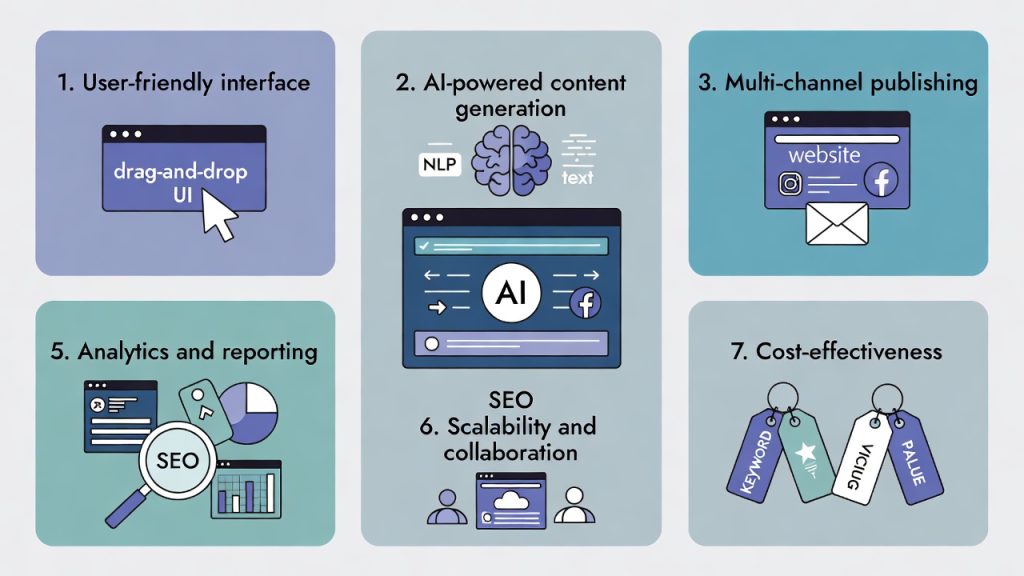
1. User-Friendly Interface
-
- Ease of Use
A D2C content generator should have an intuitive and easy-to-navigate interface. This ensures that users, regardless of their technical expertise, can quickly create content without a steep learning curve.
-
- Customizable Templates
Look for tools that offer customizable templates tailored to the unique needs of D2C businesses, such as product descriptions, social media copy, or email campaigns.
-
- Precise Workflow
Features like drag-and-drop editors, guided workflows. clear prompts save time and enhance productivity for content creators.
2. AI-Powered Content Generation
-
- Natural Language Processing (NLP)
The D2C content generator should leverage advanced NLP algorithms to create human-like, engaging content tailored to your audience.
-
- Personalization and Customization
AI tools should allow for content personalization by analyzing customer data such as preferences, behavior. purchase history.
-
- Language and Tone Adaptability
The platform should offer flexibility in adjusting the tone and style of the content to align with your brand voice, whether formal, casual, or playful.
3. Multi-Channel Publishing
-
- Omni-Channel Support
A reliable D2C content generator should support publishing across multiple channels, including websites, social media platforms. email marketing tools.
-
- Integration Features
Ensure the platform integrates seamlessly with popular CMS solutions like WordPress, Shopify. Salesforce for smooth content distribution.
-
- Preview and Optimization
Tools that allow you to preview and optimize content for specific platforms (e. g. , Instagram, Twitter, or email) can significantly boost engagement rates.
4. SEO Optimization
-
- Keyword Integration
A robust D2C content generator should include features for identifying and seamlessly incorporating high-performing keywords like “D2C content generator” to improve search engine ranking.
-
- Content Scoring
Look for a tool that provides content scores based on SEO best practices, such as readability, density. keyword placement.
-
- Meta Tag Suggestions
Automatic generation of meta titles, descriptions. alt text for images ensures all content is optimized for search engines.
5. Analytics and Reporting
-
- Performance Metrics
The tool should offer detailed analytics, including engagement rates, click-through rates. conversion rates for the content created.
-
- Audience Insights
Insights into audience behavior, such as time spent on content or most interacted posts, help refine future content strategies.
-
- A/B Testing Support
Some platforms include A/B testing capabilities to compare different content versions and identify what resonates best with your audience.
6. Scalability and Collaboration
-
- Team Collaboration Tools
For larger teams, features such as multi-user editing, shared workspaces. content approval workflows are essential for seamless collaboration.
-
- Scalable Solutions
As your D2C brand grows, the content generator should be able to handle increased content production without compromising efficiency or quality.
-
- Cloud-Based Accessibility
Cloud-based platforms ensure that teams can access and work on content anytime and anywhere, promoting flexibility and productivity.
7. Cost-Effectiveness
-
- Subscription Plans
Ensure the D2C content generator offers flexible subscription plans suitable for your business size and requirements. Look for features that match your investment without unnecessary add-ons.
-
- Free Trials and Demos
Platforms offering free trials or demos allow you to explore and evaluate the tool’s capabilities before committing financially.
-
- Value for Money
Compare the features offered relative to the price. A cost-effective tool should deliver quality content generation and additional benefits like analytics and integrations.
Conclusion
Choosing the right D2C content generator is far more than a technical decision—it’s a strategic investment in your brand’s growth. The most effective tools don’t just churn out words; they align with your brand voice, leverage AI smartly. provide analytics that guide your future content strategy. As you evaluate options, consider features like multi-platform adaptability and the ability to generate data-driven insights. For example, tools that incorporate real-time consumer trends, such as dynamic product descriptions based on seasonality or cultural moments, are a game-changer in today’s fast-paced market. It’s also worth noting that personalization is no longer a luxury but a necessity. Customers expect brands to speak directly to them. an effective content generator bridges this gap with precision. Reflecting on my own experiences, I’ve seen how choosing a platform with robust customization capabilities can transform generic campaigns into personalized customer experiences that drive loyalty. Don’t hesitate to experiment and truly test each tool against your business goals—many providers offer free trials or demos that can provide clarity on their potential value. Remember, the goal is to empower your business to communicate better, faster. smarter. Stay curious, keep evolving. never settle for less when it comes to tools that define your brand’s voice. For further insights, check out the resources below.

FAQs
What is a D2C content generator?
A D2C content generator is a tool or platform that helps direct-to-consumer brands create tailored content to engage their audience and boost conversions.
Why are customization options vital in a content generator?
Customization options allow brands to create content that reflects their unique voice and values, ensuring it resonates with their specific audience.
What kind of analytics should I look for in a content generator?
Look for analytics that track engagement, conversion rates. audience demographics. These insights help optimize content strategies over time.
Should the generator support multiple content formats?
Yes! Supporting formats like blogs, social media posts, emails. videos ensures you can create content for various platforms and audiences.
How essential is AI in a D2C content generator?
AI can enhance efficiency by automating processes like content creation, personalization. trend analysis, allowing brands to focus on strategy.
Do I need collaboration tools in a content generator?
Collaboration tools are essential if your team works together on content. Features like shared workspaces and real-time edits streamline teamwork.
Is scalability a feature to consider?
Absolutely. A content generator should grow with your business, offering features that adapt to higher demands and expanding audiences.
What makes a user-friendly interface crucial for these tools?
A user-friendly interface saves time, reduces learning curves. enables your team to focus on creating great content instead of struggling with the tool.