
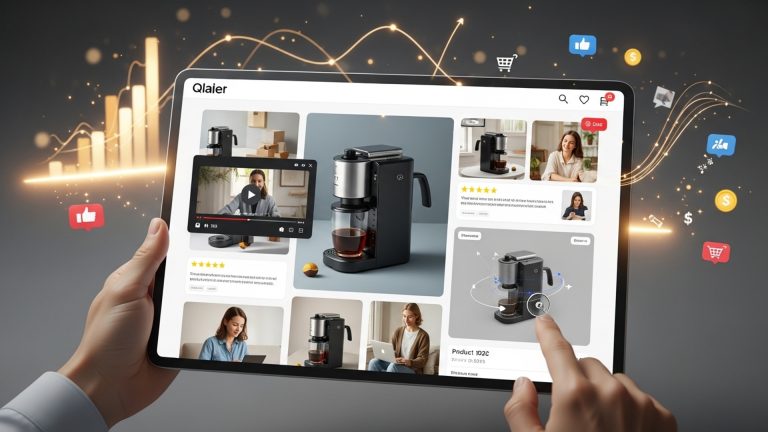
The digital shelf is fiercely competitive. the quality of your d2c product content critically determines whether your brand cuts through the noise. This content isn’t merely descriptive; it actively functions as your direct salesperson, building immediate trust and compelling engagement in a market increasingly valuing authenticity over traditional retail. Modern D2C successes, like the community-driven narratives of brands such as Outdoor Voices or the transparent ingredient stories from The Ordinary, demonstrate that powerful product content transforms casual browsers into loyal advocates. It demands a strategic blend of vivid storytelling, clear value propositions. a deep understanding of the customer journey, ultimately converting passive interest into measurable sales and fostering lasting brand connection.
Understanding the Heart of D2C Product Content
In the competitive world of Direct-to-Consumer brands, your product is more than an item. It represents an experience, a solution, and often a lifestyle.
This connection does not come from features alone. It comes from strong d2c product content. The right content builds trust, answers questions, and creates emotional appeal.
D2C brands sell directly to customers. This direct relationship demands authentic and engaging communication. Your content must feel personal, clear, and persuasive.
When done well, product content turns visitors into loyal customers.
Why D2C Product Content Matters
Strong content acts as your digital salesperson. It explains benefits, removes doubts, and builds credibility before purchase.
For example:
-
A beauty brand should explain ingredient sourcing and scientific benefits.
-
An apparel brand should highlight sustainability and show behind-the-scenes processes.
This approach invites customers into your brand story. It builds connection and trust.
The Pillars of High-Converting D2C Product Content
To drive conversions, your content must stand on strong foundations.
Clarity and Specificity
Your descriptions should remove confusion. Clearly explain:
-
What the product is
-
Who it is for
-
What it solves
Avoid vague terms like “premium quality.” Be specific.
Instead of saying “premium coffee,” say:
Single-origin Ethiopian Yirgacheffe with tasting notes of blueberry, jasmine, and bergamot.
Specific details increase confidence.
Benefit-Oriented Language
Customers buy outcomes, not features.
Instead of listing features, explain how they improve life.
| Feature | Benefit-Focused Version |
|---|---|
| Durable stainless steel | Built from rust-resistant stainless steel for years of reliable use |
| Ergonomic handle | Designed for comfort, reducing hand fatigue during long use |
| Subscription model | Flexible delivery so you never run out of essentials |
Benefits connect emotionally. Features only inform.
Authenticity and Trust
Trust drives D2C success.
Include:
-
Customer reviews
-
Testimonials
-
User-generated content
-
Transparent sourcing information
Unfiltered customer photos often build more trust than polished campaigns.
Transparency strengthens loyalty.
Emotional Connection
People buy emotionally first. Logic comes later.
Tell stories that create:
-
Joy
-
Comfort
-
Aspiration
-
Confidence
For example, a sustainable fashion brand can highlight artisan craftsmanship. This adds meaning beyond the product itself.
Leveraging Visuals and Multimedia
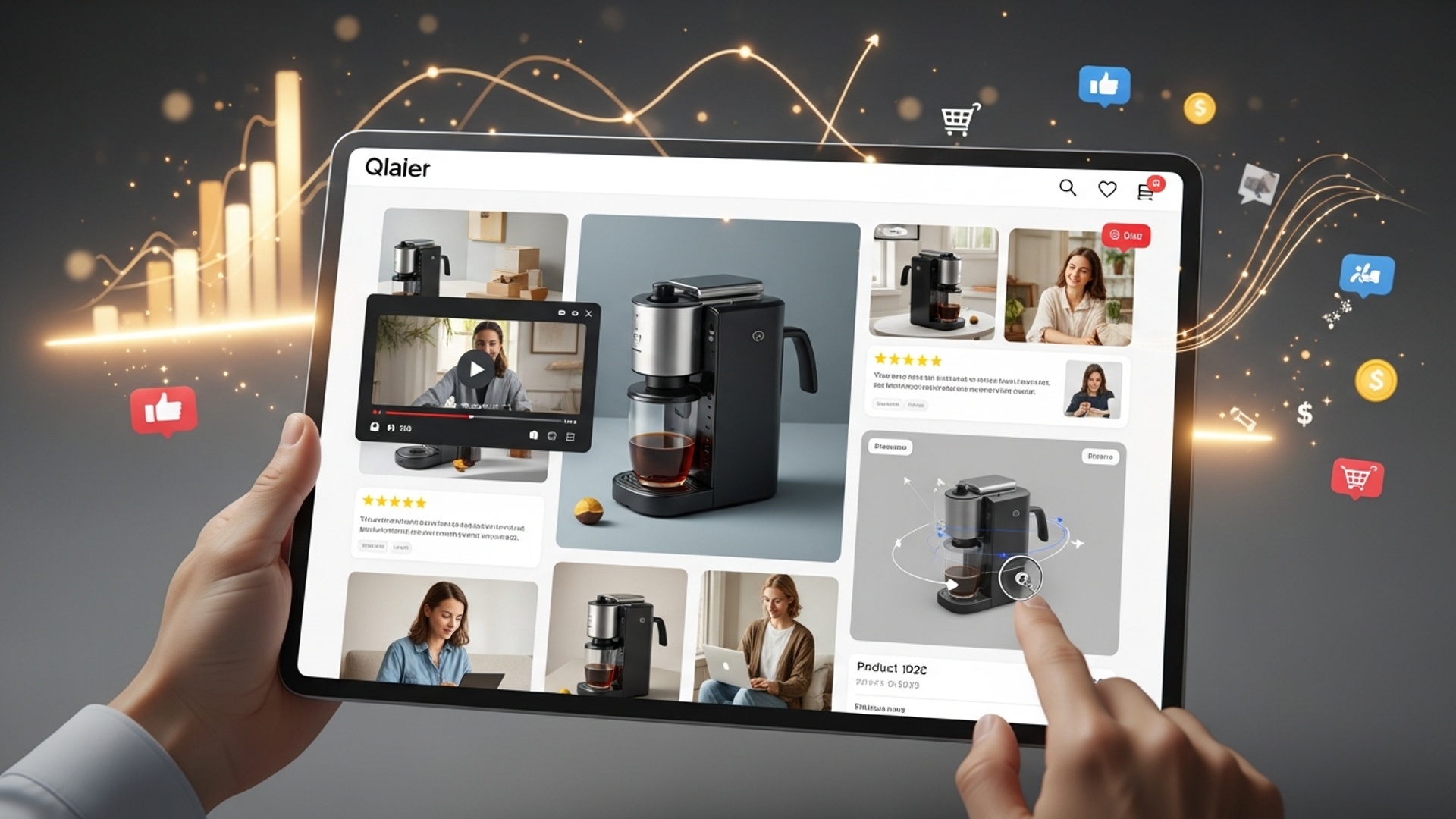
Visual content strongly influences buying decisions. It reduces uncertainty and increases engagement.
High-Resolution Photography
Show your product clearly.
Include:
-
Multiple angles
-
Close-up feature shots
-
Lifestyle images
Lifestyle visuals help customers imagine ownership.
Video Content
Video increases engagement and clarity.
Use it for:
-
Product demonstrations
-
Unboxing experiences
-
Behind-the-scenes stories
-
Customer testimonials
A fitness brand, for example, can show a short workout using its equipment. This proves value instantly.
Interactive and 3D Elements
Interactive tools improve the shopping experience.
Options include:
-
360-degree product views
-
Augmented Reality previews
-
Zoomable product images
These features reduce hesitation and returns.
Infographics and Diagrams
Complex products benefit from visuals.
Infographics simplify technical details. They help customers understand features quickly.
Storytelling and Brand Voice
D2C brands win through storytelling. Your product pages should support your larger brand narrative.
Crafting Your Brand Story
Ask yourself:
-
Why does your brand exist?
-
What problem do you solve?
-
What values guide you?
Every product description should reinforce these answers.
For example, an outdoor brand may focus on sustainability and adventure in every product page.
Developing a Consistent Brand Voice
Your brand voice defines personality.
It might be:
-
Friendly
-
Bold
-
Sophisticated
-
Playful
-
Authoritative
Consistency builds recognition.
Using User-Generated Content (UGC)
UGC adds credibility.
Feature real customers on:
-
Product pages
-
Social media
-
Email campaigns
Seeing real users builds confidence and relatability.
Sharing Founder Stories
Founder stories humanize your brand.
Explain:
-
Why you started
-
The problem you faced
-
Your mission
Customers connect with people, not just products.
Optimizing D2C Product Content for Discoverability
Even the best content must be discoverable.
Search Engine Optimization (SEO)
Keyword Research
Identify terms your audience searches for. Include them naturally in:
-
Product titles
-
Descriptions
-
Headings
-
Image alt text
Structured Data (Schema Markup)
Use schema to help search engines understand product details.
Example:
{
“@context”: “https://schema.org/”,
“@type”: “Product”,
“name”: “Organic Hemp Seed Oil”,
“description”: “Cold-pressed organic hemp seed oil rich in Omega-3 and 6.”,
“brand”: {
“@type”: “Brand”,
“name”: “EcoHarvest”
},
“offers”: {
“@type”: “Offer”,
“priceCurrency”: “USD”,
“price”: “24.99”,
“availability”: “https://schema.org/InStock”
}
}
</script>
Structured data can improve click-through rates.
Mobile Optimization
Ensure pages load quickly. Design for mobile-first users. Most D2C traffic comes from smartphones.
Clear Calls to Action (CTAs)
Guide users clearly.
Use action-driven buttons like:
-
Add to Cart
-
Shop Now
-
Discover Your Shade
-
Subscribe and Save
Make CTAs visible and easy to click.
A/B Testing and Analytics
Test different elements such as:
-
Headlines
-
Descriptions
-
Images
-
CTA text
Use analytics tools to monitor:
-
Add-to-cart rate
-
Bounce rate
-
Conversion rate
Data-driven decisions improve performance.
Personalization
Use customer data to personalize experiences.
If a customer buys dark roast coffee, recommend similar blends. Personalization increases relevance and boosts conversions.
Conclusion
Effective d2c product content builds connection, not just awareness.
Focus on:
-
Clarity
-
Benefits
-
Authenticity
-
Emotional storytelling
-
SEO optimization
Audit your current content today. Ask yourself:
-
Does it solve a clear problem?
-
Does it reflect your brand values?
-
Does it feel human?
The strongest D2C brands evolve constantly. Test, refine, and improve.
In the D2C space, engagement is built through trust and consistency.
More Articles
How AI product description tool helps D2C brands write better product copy
How to Create an Effective Content Strategy That Attracts More Readers
Transform Your Ecommerce Visual Content Using AI for Higher Engagement
Leveraging Product Page Optimization AI to Boost Your E-commerce Sales
AI Ecommerce Visual Content Strategy to Boost Engagement and Sales

FAQs
Why is compelling D2C product content so essential for driving sales?
In the direct-to-consumer model, your content often replaces the in-store experience. It’s crucial for building trust, showcasing your brand’s unique story. directly communicating value to customers without intermediaries. Great content educates, persuades. connects emotionally, directly leading to purchases and repeat business.
What makes D2C product content truly stand out from traditional retail descriptions?
D2C content goes beyond just features and specs. It embraces storytelling, highlights the brand’s mission. speaks directly to the customer’s lifestyle and aspirations. It’s less about listing facts and more about painting a picture of how the product fits into their life, often using a more personal, conversational. authentic tone.
What are the key elements I should always include in D2C product content?
Beyond clear product images and a concise description, focus on benefits over features. Include your brand story, customer testimonials or reviews, high-quality visuals (videos, lifestyle shots), detailed FAQs. clear calls to action. Emphasize what problem your product solves or what unique experience it offers.
How do I ensure my content actually boosts engagement and not just sales?
Engagement comes from connection. Use a consistent brand voice that resonates with your target audience. Incorporate interactive elements like quizzes or polls, encourage user-generated content. create content that sparks conversations. Make it shareable and provide value beyond just the product itself, maybe through helpful tips or related lifestyle content.
Are there common mistakes to avoid when crafting D2C product descriptions?
Definitely! Avoid generic language, focusing too much on technical jargon, or making claims without backing them up. Don’t neglect mobile optimization. never just copy-paste manufacturer descriptions. Most importantly, don’t forget to tell your brand’s unique story and connect with your audience on an emotional level.
How can I tell if my D2C product content is actually working?
You’ll want to look at a few key metrics. Beyond direct sales, track things like conversion rates, time spent on product pages, bounce rates, customer reviews and ratings, social shares. repeat purchase rates. A/B testing different content versions can also give you valuable insights into what resonates best.
Should I use different types of content for different stages of the customer journey?
Absolutely! At the awareness stage, focus on blog posts, social media. captivating visuals. For consideration, deep-dive product pages, comparison charts. reviews are great. At the decision stage, strong calls to action, FAQs. testimonials help seal the deal. Post-purchase, use content for onboarding, support. building community.