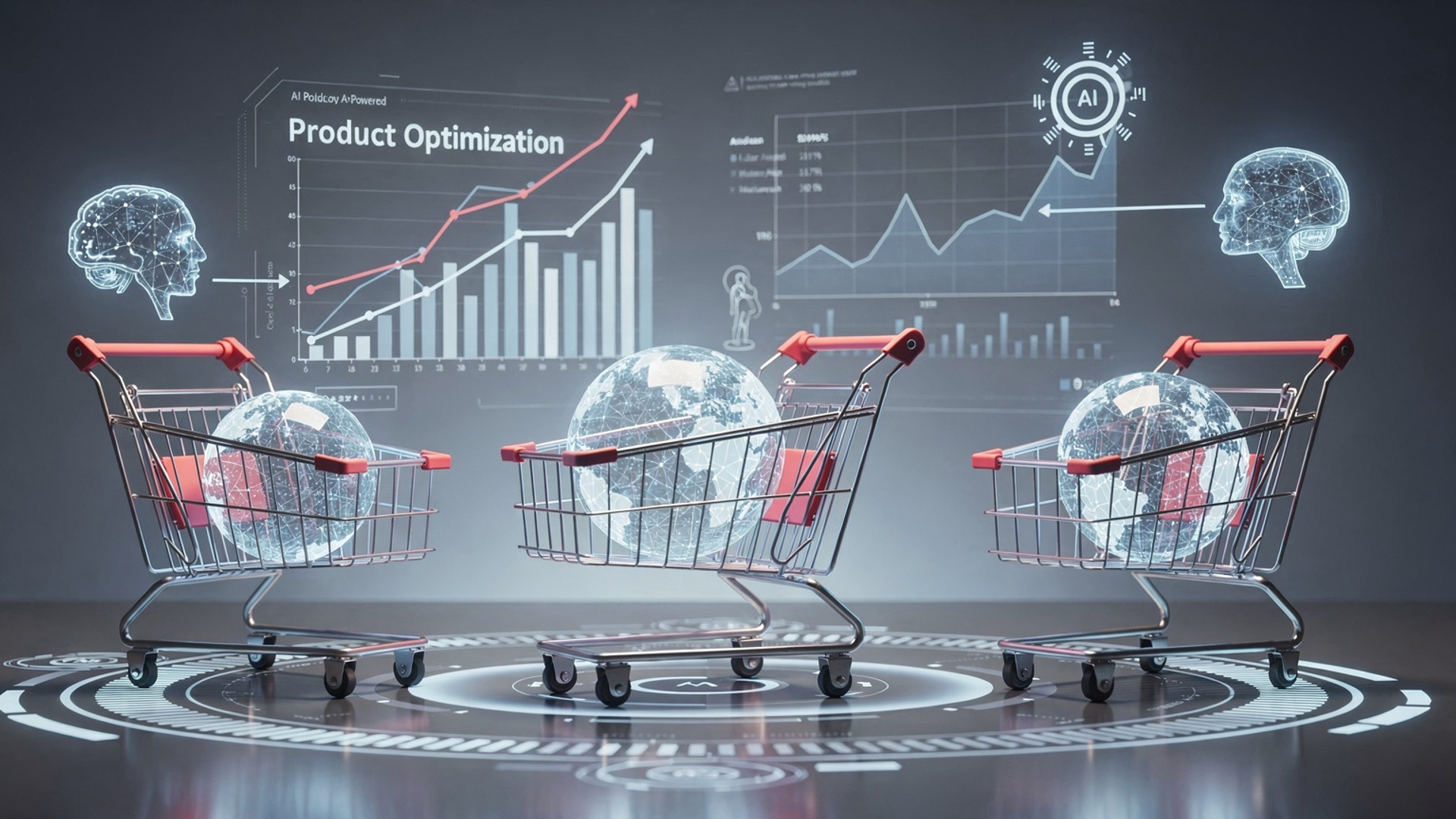
In today’s fast-paced digital marketplace, AI-powered product optimization is reshaping how businesses elevate sales and enhance customer satisfaction. By leveraging advanced algorithms and machine learning, companies can now assess real-time consumer behavior, predict purchasing trends. adjust product offerings with precision. For instance, e-commerce giants like Amazon use AI to fine-tune pricing strategies and recommend products tailored to individual preferences, maximizing both conversions and customer loyalty.
Recent developments in generative AI and natural language processing have further empowered brands to optimize product descriptions, improve search relevance. streamline inventory management, reducing inefficiencies across the board. As customer expectations grow for personalized, seamless experiences, AI’s ability to deliver data-driven insights ensures businesses stay ahead of competitors while fostering deeper connections with their audience.
With its transformative potential, AI-powered product optimization is not just a tool for success but an essential strategy for thriving in an increasingly dynamic market.
What Is AI-Powered Product Optimization?
AI-powered product optimization refers to the use of artificial intelligence technologies to review, predict. enhance various aspects of a product to better meet customer needs, improve sales. boost overall satisfaction. This approach leverages advanced machine learning algorithms, predictive analytics. big data processing to optimize product design, features, pricing. even marketing strategies.
Unlike traditional methods, which rely on manual data analysis and human intuition, AI-powered optimization enables businesses to make data-driven decisions in real-time while scaling the process efficiently across vast product lines.
Core Technologies Behind AI-Powered Product Optimization
-
- Machine Learning
Machine learning models examine historical data to identify patterns and make predictions. For instance, they can determine which product features are most appealing to customers or forecast demand fluctuations.
-
- Natural Language Processing (NLP)
NLP helps assess customer reviews, social media sentiment. feedback surveys to gain insights into customer expectations and pain points.
-
- Predictive Analytics
Predictive analytics algorithms anticipate future trends based on past data, such as identifying upcoming customer needs or shifts in market demand.
-
- Big Data Analytics
By processing enormous datasets, businesses can uncover hidden patterns and correlations, enabling more informed decision-making.
-
- Reinforcement Learning
Reinforcement learning allows AI systems to experiment with different optimization strategies and learn from successes or failures to fine-tune their decisions.
How AI-Powered Product Optimization Differs from Traditional Approaches
| Feature | Traditional Optimization | AI-Powered Optimization |
|---|---|---|
| Data Analysis | Manual, time-consuming. prone to human biases. | Automated, faster. highly accurate using machine learning algorithms. |
| Personalization | Generalized strategies for all customers. | Hyper-personalized recommendations based on individual customer behavior. |
| Scalability | Limited by human capacity to assess data manually. | Scalable across thousands of products and customer segments. |
| Real-Time Adjustments | Adjustments are implemented slowly due to the need for manual review. | Real-time changes based on live data inputs. |
Benefits of AI-Powered Product Optimization
-
- Improved Sales Performance
AI analyzes customer purchase patterns to identify the most effective product pricing, bundling. promotional strategies, directly boosting revenue.
-
- Enhanced Customer Satisfaction
Tailoring products to customer preferences improves user experiences, fostering loyalty and positive feedback.
-
- Faster Time-to-Market
AI reduces the time spent on iterative product development by automating testing and feedback analysis.
-
- Cost Efficiency
AI minimizes waste by predicting what customers want, leading to more effective inventory management and reduced overproduction.
-
- Predictive Maintenance
For physical products, AI can predict failure points and recommend design improvements to enhance durability and reliability.
Real-World Applications of AI-Powered Product Optimization
Many industries have embraced AI-powered product optimization to achieve remarkable outcomes. Here are some notable examples:
-
- E-Commerce
Online retailers like Amazon use AI to recommend products based on browsing and purchase history, resulting in higher conversion rates. Dynamic pricing algorithms further ensure competitive pricing strategies.
-
- Fashion Industry
AI tools review customer preferences and trend data to create new clothing lines that resonate with target audiences. Retailers like Zara have successfully used AI to optimize product design and inventory decisions.
-
- Electronics
Tech companies employ AI for predictive maintenance, ensuring products like smartphones and laptops are designed for longevity. For instance, Apple integrates customer usage data to design future iPhone iterations.
-
- Automotive
Car manufacturers use AI to refine designs for both performance and efficiency based on customer feedback and sensor data. Tesla employs AI to optimize its autonomous driving features continuously.
-
- Healthcare
AI-powered drug development uses optimization algorithms to predict how new drugs might perform, helping pharmaceutical companies bring life-saving treatments to market faster.
Key Challenges of AI-Powered Product Optimization
-
- Data Quality
AI models rely on high-quality data to make accurate predictions. Poor or incomplete datasets can lead to suboptimal decisions.
-
- Implementation Costs
While AI offers significant long-term benefits, the initial setup, training. deployment of AI systems can be costly for smaller businesses.
-
- Privacy Concerns
Collecting and analyzing customer data raises ethical and legal issues around data privacy, requiring strict compliance with regulations like GDPR or CCPA.
-
- Bias in Algorithms
If training data contains biases, the AI model may perpetuate or amplify them, leading to unfair or inaccurate results.
-
- Complexity
Understanding and interpreting AI-driven recommendations requires technical expertise, which may necessitate additional training for teams.
Actionable Strategies for Implementing AI-Powered Product Optimization
-
- Start with Clear Goals
Define what you aim to achieve with AI, whether it’s improving sales, enhancing product features, or boosting customer satisfaction.
-
- Invest in Quality Data
Collect and clean data from reliable sources, ensuring it is accurate, comprehensive. up-to-date.
-
- Choose the Right Tools
Evaluate AI platforms and solutions that align with your business needs. Popular tools include Google AI, IBM Watson. Salesforce Einstein.
-
- Build Cross-Functional Teams
Collaborate across marketing, product. data science teams to ensure successful AI implementation.
-
- Monitor and Iterate
Continuously evaluate the performance of AI-driven optimizations and refine models as needed to adapt to changing customer needs and market conditions.
Conclusion
AI-powered product optimization isn’t just a technological buzzword—it’s reshaping how brands drive sales and enhance customer satisfaction. By leveraging advanced algorithms to review market trends, customer preferences. purchasing behaviors, businesses can tailor their offerings with precision, creating an unmatched shopping experience. For example, brands like Amazon have mastered AI-driven personalization, ensuring seamless recommendations that directly impact conversion rates.
This isn’t limited to tech giants; emerging D2C brands are also capitalizing on AI tools to simplify inventory decisions or improve product placement strategies. To truly harness this potential, focus on integrating AI solutions that align with your brand’s goals. Tools such as AI-powered analytics platforms and automated product tagging systems can streamline operations, ultimately boosting efficiency. I’ve personally seen how a small investment in predictive analytics transformed a local D2C brand’s ability to anticipate seasonal demand, allowing them to avoid unnecessary stockouts and maximize sales. The future of sales and satisfaction is in adapting to customer needs faster than ever before.
AI offers the agility to do just that. Embrace this shift with an open mind, test strategies iteratively. remember—AI isn’t here to replace your creativity; it’s here to amplify it. Start small. think big, because every optimization today builds the foundation for sustainable growth tomorrow.
More Articles
AI-Powered Product Optimization Strategies Every D2C Brand Should Know
How to Use AI-Powered Tools for Smarter Product Optimization
Understanding the D2C Business Model and Why It Works for Modern Brands
Top D2C Marketing Trends That Are Revolutionizing Online Businesses

FAQs
What is AI-powered product optimization?
AI-powered product optimization involves using artificial intelligence tools to assess data and improve product performance, pricing, features. customer engagement strategies.
How can AI help boost sales?
AI can predict customer preferences, recommend products, optimize pricing. help you target the right audience, leading to increased conversions and higher sales.
Does AI improve customer satisfaction too?
Yes, AI enhances customer satisfaction by delivering personalized recommendations, faster service. products better tailored to customers’ needs.
Can small businesses use AI for product optimization?
Absolutely! Many AI tools are affordable and designed to help businesses of any size improve their products and connect with customers more effectively.
What kind of data does AI assess for product optimization?
AI analyzes data like customer preferences, purchasing behavior, reviews, market trends. competitor insights to refine products and strategies.
Will AI replace human decision-making in product strategies?
No, AI is meant to assist human decision-making by providing insights and recommendations. humans still play a critical role in shaping product strategies.
How quickly can results be seen after using AI for optimization?
Results can vary. many businesses notice improvements in customer engagement and sales within weeks or months of implementing AI-powered solutions.
Is it expensive to implement AI for product optimization?
The cost depends on the tools and scale of implementation. there are options available for various budgets, making it accessible even for smaller companies.