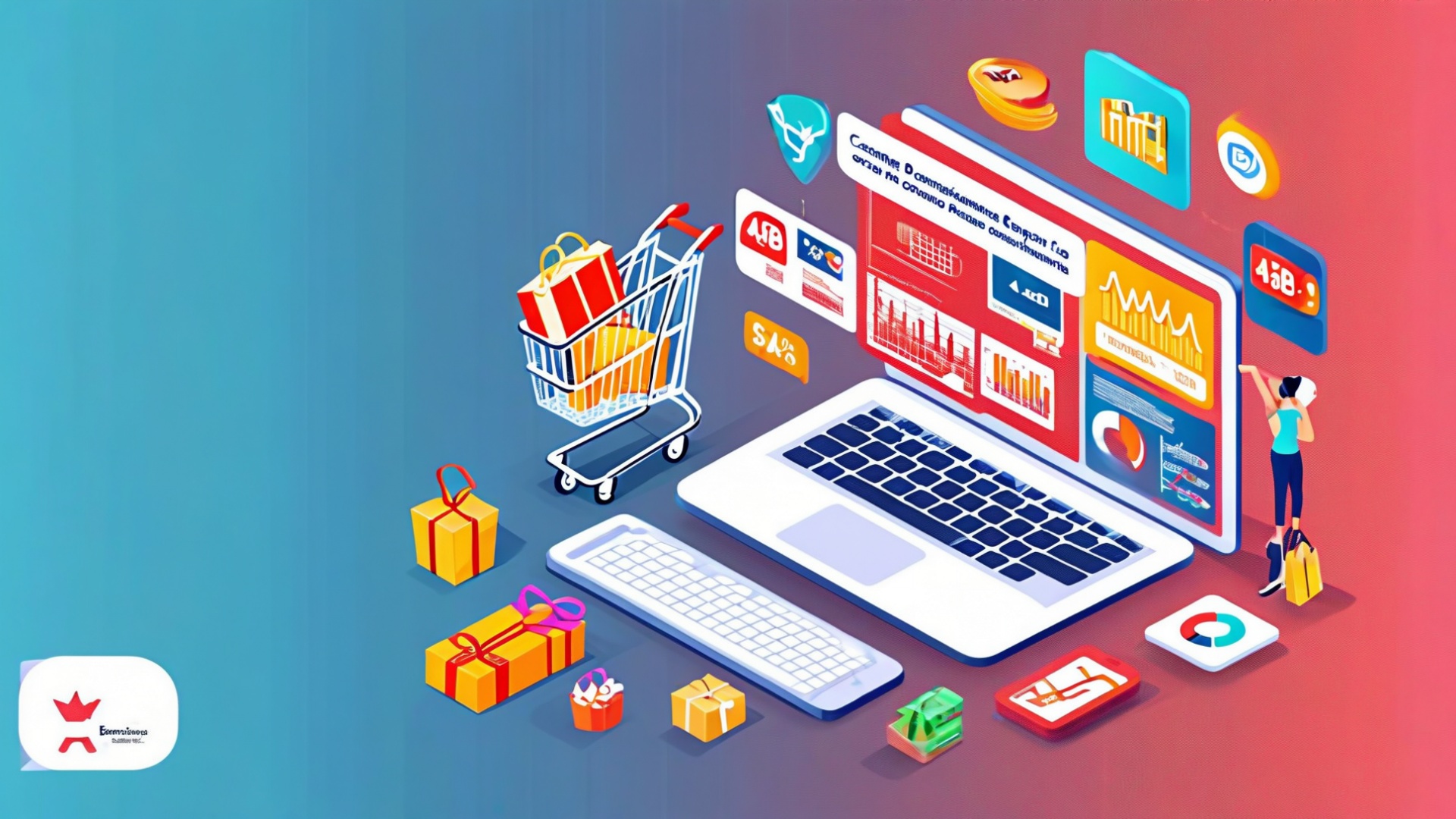
Ecommerce conversion optimization strategies to increase sales focus on turning existing traffic into paying customers by systematically removing friction across your funnel. By improving product pages, simplifying checkout, applying urgency triggers, and leveraging data-driven testing, you can significantly increase revenue without increasing ad spend.
At d2cbot, we’ve consistently seen one major gap across D2C brands. They focus heavily on acquiring traffic but overlook what actually drives revenue: conversion.
The reality is simple. Most ecommerce stores convert only a small fraction of visitors. That means the majority of your potential revenue is already on your site, just not converting.
So instead of chasing more traffic, the smarter move is to optimize what you already have.
This is where ecommerce conversion optimization strategies to increase sales become critical. When applied correctly, these strategies compound over time and create sustainable growth.
Optimize Product Pages to Drive Add-to-Cart Conversions
Product pages are where intent turns into action. However, even small friction points here can kill conversions.
From what we’ve observed, most underperforming stores do not have bad products. They have unclear presentation.
Use High-Impact Visual Content
First impressions are visual. Therefore, your product images must do more than just display the item.
Effective product pages typically include:
-
Multiple high-resolution images from different angles
-
Close-up shots highlighting materials and details
-
Lifestyle visuals showing real-world usage
-
Size or scale references for clarity
In addition, product videos significantly improve engagement. A short demo builds confidence by answering common objections instantly.
When we tested this approach across D2C brands, adding video alone increased engagement and time on page consistently.
Write Benefit-Driven Product Descriptions
While features describe the product, benefits explain why it matters.
Instead of listing specifications, focus on outcomes. For example:
-
“Water-resistant material” becomes “Stay protected even during unexpected rain”
This subtle shift directly impacts buying decisions.
Furthermore, keep descriptions scannable. Use short paragraphs and occasional bullet points to highlight key benefits without overwhelming the reader.
Optimize Call-to-Action Placement
Your CTA should never be difficult to find.
Place it:
-
Above the fold
-
After key product information
-
Near customer reviews
Additionally, wording matters. While “Add to Cart” works, testing variations like “Get Yours Now” or “Buy Today” can often improve conversions.
Reinforce Trust with Visual Signals
Trust is a deciding factor, especially for new visitors.
Strong product pages clearly display:
-
Secure payment icons
-
Return and refund policies
-
Shipping timelines
-
Payment methods
These elements reduce hesitation and make purchasing feel safer.
Leverage Social Proof Effectively
Social proof is one of the strongest conversion drivers.
To maximize impact:
-
Show ratings near the product title
-
Highlight total review count
-
Feature detailed customer reviews
Interestingly, a mix of positive and slightly critical reviews often performs better than perfect ratings. It signals authenticity.
Streamline Checkout to Reduce Cart Abandonment
Even with strong product pages, conversions drop sharply if checkout is complicated.
In fact, checkout friction is one of the biggest leaks in the funnel.
Reduce Friction in Form Fields
Every extra field increases drop-off.
Therefore, limit inputs to essentials only:
-
Email
-
Shipping details
-
Payment information
Remove anything that does not directly contribute to completing the order.
Enable Guest Checkout
Forcing account creation disrupts momentum.
Instead:
-
Offer guest checkout as the primary option
-
Allow account creation after purchase
This keeps the buying process smooth and uninterrupted.
Show Pricing Transparency Early
Unexpected costs create immediate friction.
To prevent this:
-
Display shipping costs early
-
Clearly mention taxes
-
Avoid hidden fees
When customers know the total cost upfront, they are far more likely to complete the purchase.
Offer Flexible Payment Options
Different users prefer different payment methods.
High-performing stores typically include:
-
Cards (Visa, Mastercard)
-
Digital wallets (Apple Pay, Google Pay)
-
PayPal
-
Buy Now Pay Later options
Faster checkout options often lead to higher conversions, especially on mobile.
Use Clear Checkout Progress Indicators
If your checkout has multiple steps, guide users through the process.
A simple progress indicator reduces uncertainty and keeps users moving forward.
Apply Urgency and Scarcity to Accelerate Decisions
Even when users are interested, they often delay decisions. This is where urgency and scarcity become powerful.
However, they must be used authentically.
Use Time-Based Triggers
Countdown timers work because they make deadlines visible.
Examples include:
-
Limited-time discounts
-
Flash sales
-
Holiday promotions
When used correctly, they push users to act instead of postponing.
Highlight Real Inventory Scarcity
If stock is genuinely limited, communicate it clearly.
Effective messages include:
-
“Only 5 left in stock”
-
“Selling fast”
This taps into fear of missing out and increases urgency.
Use Exit-Intent Offers Strategically
When a user is about to leave, you still have one chance to convert them.
Exit-intent popups can offer:
-
Discounts
-
Free shipping
-
Exclusive deals
When we’ve implemented this, even a simple offer recovered a noticeable portion of abandoning visitors.
Use Data and Testing to Continuously Improve
Guesswork limits growth. Data unlocks it.
This is why testing is a core part of ecommerce conversion optimization strategies to increase sales.
Run Structured A/B Tests
Instead of making random changes, test systematically.
Focus on high-impact elements such as:
-
CTA text and color
-
Product images
-
Headlines
-
Pricing presentation
Test one variable at a time to identify what actually drives results.
Analyze User Behavior
Tools like heatmaps and session recordings reveal:
-
Where users click
-
Where they drop off
-
What confuses them
These insights help uncover hidden friction points.
Track Funnel Performance
Understanding your funnel is critical.
Monitor key transitions:
-
Product page to cart
-
Cart to checkout
-
Checkout to purchase
The biggest drop-off points indicate your biggest opportunities.
Build an Iterative Optimization Process
Optimization is not a one-time task.
Instead:
-
Test continuously
-
Analyze results
-
Implement improvements
-
Repeat
Over time, even small gains compound into significant revenue growth.
How to Implement Ecommerce Conversion Optimization Strategies
To put everything into action, follow this structured approach:
Step 1: Audit Your Funnel
Start by identifying where users drop off. Use analytics and session recordings to gather insights.
Step 2: Improve Product Pages
Focus on visuals, copy, trust signals, and CTAs. Prioritize your highest-traffic products.
Step 3: Simplify Checkout
Remove unnecessary friction, enable guest checkout, and improve payment options.
Step 4: Add Urgency Elements
Introduce real scarcity and time-based triggers to encourage faster decisions.
Step 5: Test and Optimize Continuously
Run A/B tests regularly and refine based on real data.
Conclusion
Most ecommerce brands focus on traffic. However, the real opportunity lies in conversion.
By applying these ecommerce conversion optimization strategies to increase sales, you turn existing visitors into customers more efficiently.
At d2cbot, we’ve seen that even small improvements can lead to meaningful revenue growth. The key is consistency.
Start with one section of your funnel. Optimize it. Then move to the next.
Over time, these improvements compound, creating a high-performing ecommerce engine that grows without relying solely on ads.
About d2cbot
d2cbot is a leading authority in direct-to-consumer ecommerce optimization, specializing in AI-powered solutions that help online retailers maximize conversion rates and scale revenue efficiently. With deep expertise in conversion rate optimization, checkout funnel analysis, and data-driven growth strategies, d2cbot has helped hundreds of D2C brands transform their digital storefronts into high-performing sales engines that consistently outperform industry benchmarks.
More Articles
Boost Your Store Visibility: Essential Free Shopify SEO Tools Every Merchant Needs
How AI Content Automation Transforms Ecommerce Operations for Growth
AI Ecommerce Visual Content for Stunning Product Displays
Free AI Product Description Generator Tools for Stores
FAQs
What is ecommerce conversion optimization?
It’s the process of improving your online store to turn more visitors into paying customers. You focus on removing friction, building trust, and making the buying experience smoother so people actually complete their purchases instead of abandoning their carts.
How quickly can I see results from conversion optimization?
You can often see initial improvements within a few weeks, especially from quick wins like better product photos or clearer calls-to-action. More complex changes like checkout redesigns might take one to three months to show their full impact.
What’s the easiest way to boost conversions fast?
Start by simplifying your checkout process and adding trust signals like security badges and customer reviews. These changes require minimal effort but can immediately reduce cart abandonment and increase buyer confidence.
Do I need a huge budget to optimize conversions?
Not at all. Many effective optimization tactics are free or low-cost, like improving product descriptions, streamlining navigation, or adding customer testimonials. You can achieve significant results by focusing on smart changes rather than expensive tools.
How do I know which parts of my store to optimize first?
Look at your analytics to find where visitors drop off most, like high cart abandonment rates or low product page engagement. Start optimizing those problem areas first since they’re already getting traffic but losing potential sales.
Will mobile optimization really make a difference?
Absolutely. Over half of online shopping happens on mobile devices now, so if your site isn’t mobile-friendly, you’re losing tons of sales. A responsive design and fast mobile load times are essential for conversions today.
Should I focus on getting more traffic or improving conversions?
Improving conversions is usually smarter because it maximizes the value of traffic you already have. Doubling your conversion rate has the same effect as doubling your traffic, but it’s often easier and cheaper to achieve.
What conversion rate should I aim for?
The average ecommerce conversion rate is around 2-3%, but this varies widely by industry and traffic source. Instead of chasing a specific number, focus on consistently improving your own baseline through testing and optimization.