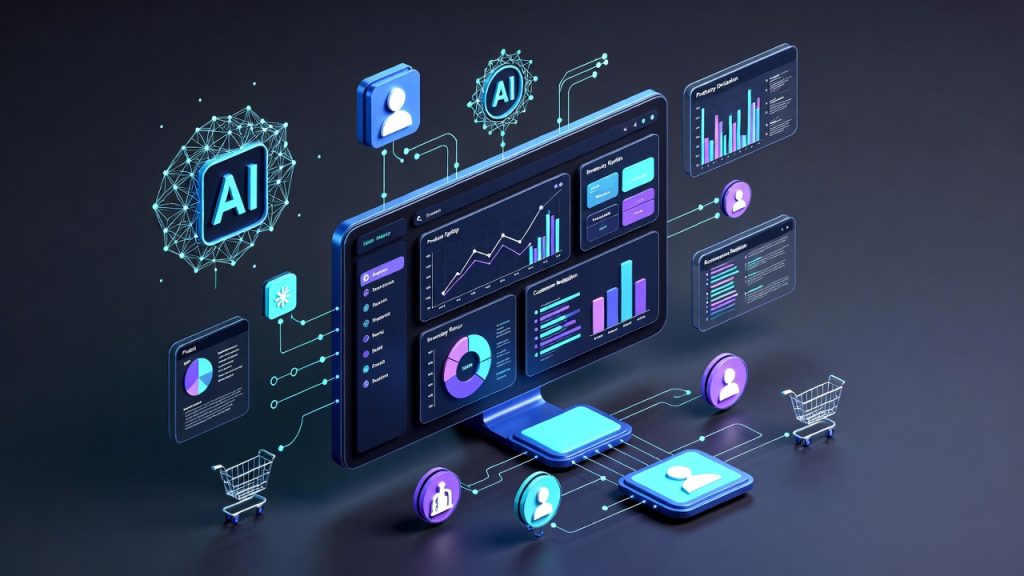

In today’s fiercely competitive markets, AI-powered product optimization is revolutionizing how businesses refine their offerings to meet customer needs more effectively. Leveraging cutting-edge technologies like machine learning and predictive analytics, companies can now examine vast datasets, uncover hidden consumer trends. make real-time adjustments to pricing, inventory. product features. For instance, leading e-commerce platforms use AI to dynamically optimize product recommendations, increasing conversion rates while enhancing user experience. With recent advancements in generative AI and natural language processing, brands are further tailoring their messaging, ensuring personalized engagement at scale. As AI tools become more accessible, even small businesses can harness their power to streamline processes, reduce costs. outpace competitors. By integrating these tools strategically, organizations unlock smarter decision-making, driving innovation and profitability in an increasingly data-driven world.
What is AI-Powered Product Optimization?
AI-powered product optimization refers to leveraging artificial intelligence technologies to improve various aspects of a product, including its design, functionality, pricing, marketing strategies. user experience. By analyzing large datasets, identifying patterns. automating key processes, AI helps businesses make data-driven decisions to refine their products and meet customer needs more effectively.
Key Technologies Involved in AI-Powered Product Optimization
-
- Machine Learning
Machine learning algorithms assess historical data to predict trends and optimize product features and strategies.
-
- Natural Language Processing (NLP)
NLP helps in analyzing customer reviews, feedback. social media comments to grasp customer sentiment and preferences.
-
- Predictive Analytics
This involves using AI to forecast future trends, demand patterns, or user behavior based on existing data.
-
- Recommendation Systems
AI recommends product improvements or additional features based on customer interactions and preferences.
-
- Computer Vision
This technology aids in visual product analysis, such as identifying defects or optimizing merchandise placement.
How AI-Powered Tools Work in Product Optimization
AI-powered tools function by collecting, analyzing. interpreting vast amounts of data to make actionable recommendations. This process involves:
-
- Data Collection
AI tools gather data from multiple sources, including customer feedback, social media, sales records. competitor performance.
-
- Data Analysis
Machine learning algorithms process the data to identify trends, patterns. insights.
-
- Automation
Many AI tools automate repetitive tasks, such as categorizing user feedback or running A/B testing.
-
- Decision Making
Based on analyzed data, AI tools suggest actionable insights, such as optimizing pricing strategies or adding new features to match market demand.
Comparing Traditional Product Optimization vs. AI-Powered Product Optimization
| Aspect | Traditional Optimization | AI-Powered Optimization |
|---|---|---|
| Data Processing | Manual analysis often limited by human capacity. | Automated analysis of large datasets using machine learning. |
| Efficiency | Time-consuming and prone to human error. | Fast processing and highly accurate results. |
| Insights | Dependent on analysts’ expertise and subjective judgment. | Objective, data-driven insights based on patterns and predictions. |
| Scalability | Limited scalability due to manual efforts. | Highly scalable with automated workflows and processes. |
Real-World Applications of AI-Powered Product Optimization
-
- E-commerce
AI tools like recommendation engines help e-commerce platforms suggest products tailored to customer preferences, boosting sales and customer satisfaction.
-
- Retail
AI optimizes inventory management by predicting demand patterns based on historical data and market trends.
-
- Healthcare
AI can improve medical devices by analyzing user data to enhance functionality and reliability.
-
- Gaming
AI algorithms examine player behavior to optimize in-game purchases and improve game mechanics tailored to user preferences.
-
- Consumer Electronics
AI-powered tools review user feedback on features and design to refine hardware products like smartphones and wearables.
Best Practices for Using AI-Powered Tools in Product Optimization
-
- Define Clear Goals
Identify specific objectives, such as improving user experience, optimizing pricing, or reducing product defects.
-
- Choose the Right Tools
Select AI tools that align with your business needs. Examples include predictive analytics platforms, sentiment analysis tools. automated testing software.
-
- Integrate AI with Existing Workflows
Ensure your AI-powered tools complement current processes rather than replacing them entirely.
-
- Monitor Performance
Regularly evaluate the effectiveness of AI tools to ensure they are delivering actionable insights and driving results.
-
- Prioritize Ethical Use
Use AI responsibly by safeguarding customer data and ensuring transparency in decision-making processes.
Conclusion
Harnessing AI-powered tools for smarter product optimization is no longer a futuristic concept—it’s an essential strategy for staying competitive in today’s fast-paced market. By integrating AI into your optimization workflows, you gain the ability to review large datasets in real time, uncover hidden patterns. anticipate consumer trends with remarkable precision. For instance, tools like predictive analytics can help businesses identify which product features resonate most with customers, ensuring that you invest in developments that truly matter. Current trends, such as the rise of generative AI in product development, further amplify the value of automation and personalization. AI can simulate customer feedback or optimize product designs, saving time and reducing costs. I’ve personally witnessed small teams maximize their resources using AI to streamline A/B testing, transforming what was once a labor-intensive process into an efficient, data-driven approach. The key takeaway is to start small but remain consistent. Experiment with AI tools that align with your immediate needs, whether it’s improving product descriptions or refining supply chain operations. Over time, these incremental changes compound into measurable growth. Embrace the adaptability AI offers, because the businesses that thrive tomorrow are those willing to innovate today. With AI in your corner, product optimization becomes less about guesswork and more about confident, informed decisions.
More Articles
- 5 Proven Strategies to Scale Your D2C Business
- Why D2C Brands Need AI for Scaling Blog Production in 2026
- How AI Blogging Improves SEO & Conversions Together
- AI vs Manual Blogging: What Wins for D2C Marketers?
- D2C Vs Traditional Retail: Pros and Cons Explained

FAQs
What does AI-powered product optimization mean?
AI-powered product optimization involves using artificial intelligence tools to assess data, predict trends. make recommendations to improve product design, pricing. marketing.
Can AI tools help me figure out what customers really want?
Yes, AI tools can assess customer behavior, feedback. purchasing patterns to help identify preferences and needs more accurately.
Do I need to be a tech expert to use AI for product optimization?
Not at all. Many AI-powered tools are user-friendly and designed to be accessible for people without technical backgrounds.
How do AI tools improve product pricing decisions?
AI tools can review market trends, competitor pricing. customer data to suggest more competitive and profitable pricing strategies.
What kind of data do I need to use AI for product optimization?
You’ll typically need data like customer demographics, buying habits, product performance metrics. market trends. The more high-quality data you provide, the better the insights.
Do these tools work for small businesses or just big companies?
AI tools can work for businesses of all sizes. Many platforms offer scalable solutions that fit the needs of smaller companies just as well as larger ones.
Is it expensive to start using AI-powered tools?
Costs can vary. there are affordable options available. Some tools even offer free versions or trials so you can test them out before committing.
Can AI really replace human decision-making for product strategies?
AI is better at handling data and spotting patterns. it works best as a support tool for human decision-making, not a full replacement.