In a rapidly evolving digital landscape, the D2C business model has emerged as a transformative force, allowing brands to connect directly with consumers and bypass traditional intermediaries. By leveraging e-commerce platforms, social media. data-driven marketing, companies can create personalized shopping experiences and foster stronger customer loyalty. Recent success stories, such as Warby Parker and Glossier, highlight how D2C brands are using innovative strategies to disrupt traditional retail markets.
In 2023, with consumer expectations shifting toward convenience, transparency. authenticity, embracing a D2C model is more relevant than ever. This approach not only empowers businesses with greater control over brand messaging and customer data but also enables faster adaptation to market trends. As subscription services, direct fulfillment. influencer partnerships make headlines, understanding the D2C business model could unlock significant growth opportunities and redefine how brands engage with their audiences.
What Is the D2C Business Model?
The Direct-to-Consumer (D2C) business model refers to a strategy where brands sell their products or services directly to customers, bypassing traditional intermediaries like wholesalers, distributors. retailers. This approach allows businesses to control every aspect of the customer journey, from product creation to sales and marketing. The keyword ‘D2C business model’ has gained significant traction due to the shift in consumer behavior and the rise of e-commerce platforms.
Key Characteristics of the D2C Business Model
-
- Direct Customer Interaction
Businesses engage directly with consumers, building stronger relationships and gaining deeper insights into customer preferences.
-
- Digital-First Approach
Most D2C brands operate online, leveraging websites, social media. e-commerce platforms as primary sales channels.
-
- Brand-Owned Channels
Companies rely on proprietary platforms for selling rather than third-party marketplaces, ensuring complete control over branding and customer experience.
-
- Data-Driven Decision Making
Access to customer data empowers brands to refine their marketing strategies, improve products. deliver personalized experiences.
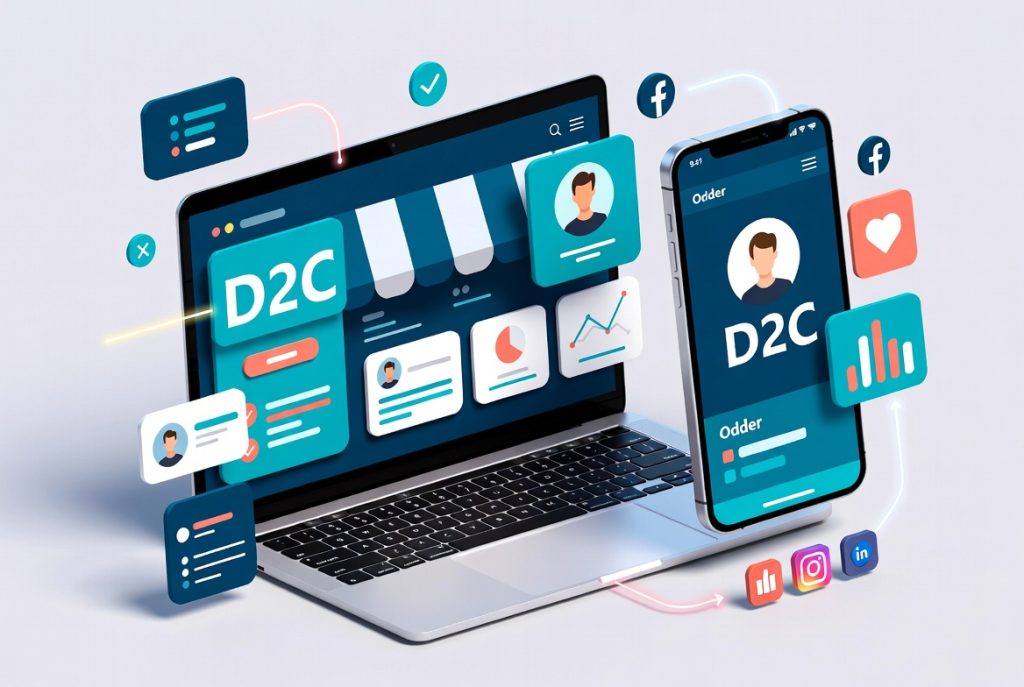
How the D2C Business Model Differs from Traditional Retail
| Aspect | D2C Business Model | Traditional Retail |
|---|---|---|
| Sales Channels | Direct online platforms like websites and social media | Retail stores, wholesalers. distributors |
| Customer Engagement | One-on-one interaction via online tools and direct feedback | Indirect communication through intermediaries |
| Control Over Branding | Complete control over branding and pricing | Shared control due to reliance on third parties |
| Data Utilization | Direct access to detailed customer data | Limited data insights due to intermediaries |
Benefits of Adopting the D2C Business Model
-
- Enhanced Profit Margins
Eliminating intermediaries reduces costs, allowing brands to retain a larger share of profits.
-
- Better Customer Insights
Direct interaction with customers provides valuable data to tailor marketing strategies and improve products.
-
- Stronger Brand Loyalty
By controlling the customer experience, brands can build trust and foster long-term loyalty.
-
- Agility in Product Development
D2C brands can quickly adapt to market trends and customer feedback, ensuring their products remain relevant.
-
- Scalability
Leveraging online platforms makes it easier to expand globally without significant investments in physical infrastructure.
Technologies That Support the D2C Business Model
-
- E-commerce Platforms
Tools like Shopify, WooCommerce. BigCommerce allow brands to set up online stores and manage transactions effortlessly.
-
- Customer Relationship Management (CRM)
Platforms such as Salesforce and HubSpot help manage customer interactions and examine data for personalized marketing.
-
- Digital Marketing Tools
Solutions like Google Ads, Facebook Ads. SEO tools facilitate targeted advertising campaigns.
-
- Inventory Management Software
Tools like TradeGecko and Cin7 provide real-time stock tracking and order management.
-
- Analytics Platforms
Solutions like Google Analytics and Hotjar enable brands to comprehend user behavior and optimize their websites accordingly.
Real-World Examples of D2C Success
-
- Warby Parker
This eyewear brand disrupted the industry by selling glasses directly to customers online, offering a virtual try-on feature and home delivery.
-
- Dollar Shave Club
The subscription-based razor service gained immense popularity by bypassing retailers and delivering shaving kits directly to consumers’ doors.
-
- Casper
The mattress company leveraged the D2C business model to sell high-quality mattresses directly, alongside marketing campaigns focused on sleep wellness.
-
- Glossier
The beauty brand built a loyal customer base through direct engagement on social media and its own e-commerce platform.
Actionable Steps for Implementing the D2C Business Model
-
- Define Your Niche
Identify your target audience and focus on creating products that address their specific needs.
-
- Build a Robust Online Presence
Develop a user-friendly website and leverage social media platforms to engage directly with customers.
-
- Leverage Data
Use analytics tools to interpret customer behavior and refine your marketing strategies.
-
- Focus on Customer Experience
Invest in excellent customer service and create a seamless buying journey to build loyalty.
-
- Streamline Logistics
Optimize your supply chain and inventory management to ensure timely deliveries and efficient operations.
Conclusion
Embracing the D2C business model is more than just a shift in distribution—it’s a complete realignment of how your brand connects with its audience. By cutting out middlemen, you gain the ability to truly comprehend your customers, refine their experience. retain full control over your brand narrative. For instance, brands like Warby Parker and Glossier have excelled in leveraging direct customer relationships to continuously innovate based on real-time feedback. The explosion of e-commerce, coupled with modern tools like social media and personalized marketing analytics, has made this model more accessible than ever, even for smaller players. To make the most of D2C, prioritize data-driven decisions. Start by analyzing customer preferences and purchasing behaviors, then develop strategies to meet their evolving needs. My personal tip: focus on building a meaningful connection with your audience, whether it’s through authentic storytelling on Instagram or offering a seamless unboxing experience that delights customers when they receive your product. Remember, committing to the D2C model is not just about increasing profits; it’s about creating a brand that your customers trust and advocate for. Stay adaptable, embrace emerging trends. continuously seek ways to foster loyalty. The journey may require effort. the reward of building a brand with a direct and lasting impact is well worth it. For additional insights, you can explore this guide to starting a D2C business, which offers practical tips and case studies.
More Articles
- 5 Proven Strategies to Scale Your D2C Business
- Why Social Media is Critical for D2C Brands
- The Future of E-commerce: Trends to Watch
- Steps to Build a Memorable Brand Identity
- D2C Vs Traditional Retail: Pros and Cons Explained

FAQs
What is a D2C business model?
D2C, or Direct-to-Consumer, is a business model where brands sell their products straight to customers without relying on third-party retailers or middlemen.
Why should a brand consider going D2C?
Going D2C gives you full control over customer experience, pricing. branding while also building a direct relationship with your audience for better insights and loyalty.
How does D2C help with customer relationships?
It allows you to collect data directly, interact with customers on your own platforms. personalize their experience, leading to stronger connections and trust.
Can small businesses benefit from D2C?
Absolutely! Small businesses can use D2C to lower costs, reach niche markets. create unique customer experiences without competing for shelf space.
Are there challenges with the D2C model?
Yes, you’ll need to manage logistics, customer service. marketing on your own, which can be demanding but also very rewarding.
What role does social media play in D2C success?
Social media is key for D2C brands to connect with customers, share their story. market products directly in a cost-effective way.
Does D2C mean you have to abandon traditional retail completely?
Not necessarily. Many brands use a hybrid model, combining D2C with traditional retail to maximize their market reach.