
18 Policy-as-Code Implementations for Platform Teams
Policy as code only works when the compliant path is also the easiest one. Here are 18 specific places to build that in, not just the Terraform layer most teams start and stop at.

Tag
Articles tagged with Policy.
59 articles
Policy as code only works when the compliant path is also the easiest one. Here are 18 specific places to build that in, not just the Terraform layer most teams start and stop at.
उत्तर प्रदेश, [तिथि]: उत्तर प्रदेश में एक दिल दहला देने वाली घटना सामने आई है, जिसने पारिवारिक रिश्तों के मायने…
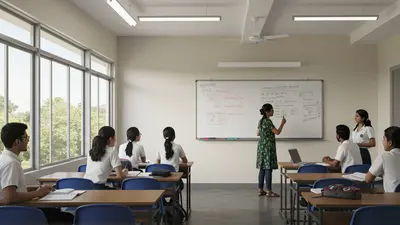
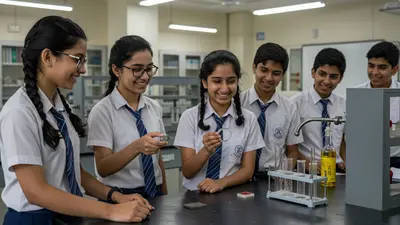
देश की नई राष्ट्रीय शिक्षा नीति (NEP) के तहत विज्ञान शिक्षा में एक महत्वपूर्ण बदलाव आया है। अब सिर्फ किताबी ज्ञान तक सीमित न रहकर, धातु और अधातु के बीच के अंतर को व्यावहारिक और प्रायोगिक तरीके से समझाने पर जोर दिया जा रहा है। सरकार का मानना है कि इससे छात्रों में वैज्ञानिक सोच विकसित होगी और वे दैनिक जीवन में इन तत्वों के महत्व को बेहतर ढंग से समझ पाएंगे। द भारत पोस्ट की विशेष रिपोर्ट। [16]
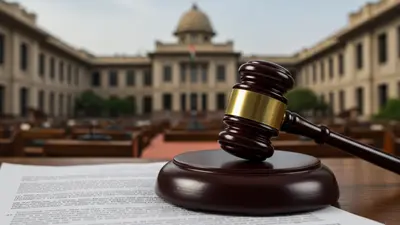
Gujarat is set to follow Uttarakhand as the second Indian state to implement the Uniform Civil Code (UCC), with the UCC committee officially submitting its report to the state government. While proponents hail it as a step towards a unified legal system, the move has prompted considerable discussion, particularly among minority communities, who are seeking assurances regarding the protection of their rights and voices in the impending legislative changes. [19]
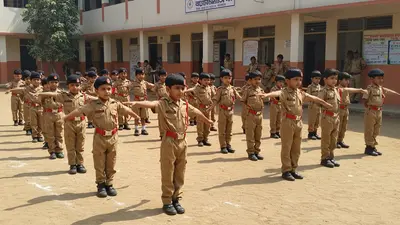
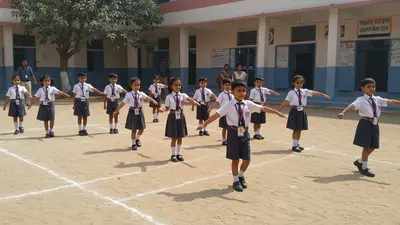
In a forward-thinking move aimed at molding responsible and disciplined citizens from an early age, Maharashtra’s school education minister has announced the introduction of National Cadet Corps (NCC)-inspired training for students starting from Class 1. This military-style program, focusing on instilling discipline and patriotism, represents a significant shift in the state’s educational policy. The government plans to expand NCC training centers and engage retired armed forces personnel, signaling a comprehensive approach to youth development and nation-building. [27]
In a significant stride towards environmental sustainability, the Karnataka government has enforced a comprehensive ban on all plastic items within the premises of state-administered temples, effective August 15. The Muzrai Department launched an awareness campaign to ensure compliance, with Minister Ramalinga Reddy emphasizing the directive’s aim to foster cleanliness and environmental responsibility in sacred spaces. Temple authorities are now empowered to impose fines on violators, reinforcing the state’s commitment to a greener, cleaner pilgrimage experience. [16, 18]
The Uttarakhand Cabinet has approved a new bill aimed at making the state’s anti-conversion laws significantly more stringent. The proposed Freedom of Religion (Amendment) Bill, will introduce longer jail sentences and broaden the definition of ‘conversion.’ This legislative move comes amidst ongoing debates over religious conversions and is consistent with the ruling party’s broader ideological stance on demographic change. The bill is expected to be tabled in the upcoming legislative assembly session. [26, 17]
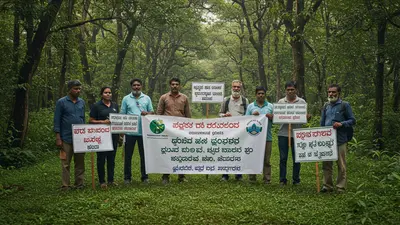
A fierce debate is unfolding in Karnataka as environmentalists in Shivamogga unite to oppose the ambitious Sharavathi Pumped Storage Project. Activists argue the proposed 2,000 MW power venture, estimated at over ₹10,200 crore, poses an existential threat to the ecologically fragile Western Ghats, a renowned biodiversity hotspot. Citing past damages by power corporations, conservationists are demanding the state government abandon the project, advocating for sustainable alternatives to meet energy demands. [9, 20]
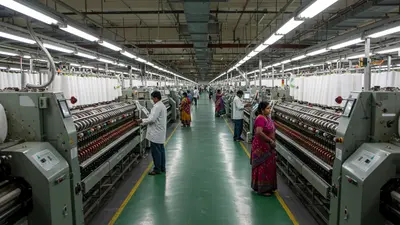
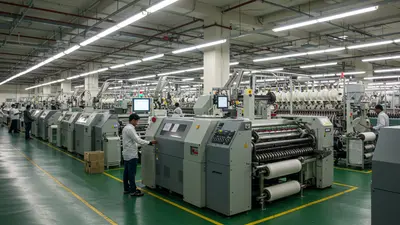
The Gujarat government has rolled out new guidelines for its Textile Policy, extending crucial industrial incentives to units located in GIDC-notified urban areas. This strategic move is expected to significantly boost investment in the state’s vibrant textile sector, promote women’s empowerment through self-employment initiatives, and create a wave of new job opportunities in both urban and rural landscapes. [17, 18]
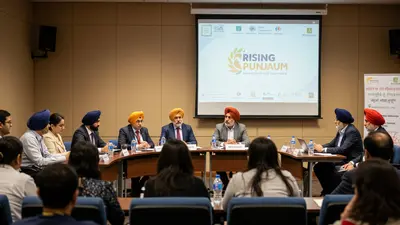
Chandigarh – The Punjab government has launched a landmark series of events titled ‘Rising Punjab – Suggestions to Solution,’ a pivotal component of Chief Minister Bhagwant Singh Mann’s ‘Udyog Kranti’ (Industrial Revolution) vision. Led by Industries & Commerce Minister Sanjeev Arora, this initiative seeks to forge a direct dialogue between the government and industry leaders, promoting new, investor-friendly policies. These strategic gatherings, starting with Amritsar, Jalandhar, and Ludhiana, are designed to streamline operations, offer clarity on regulatory reforms, and ultimately position Punjab as a premier destination for investment and economic prosperity. [15, 26]
केरल की शांत घाटी, जिसे साइलेंट वैली आंदोलन ने बचाया था, उसकी विरासत आज भी भारत में पर्यावरण संरक्षण के प्रयासों को प्रेरित कर रही है। [11, 29] जैसे-जैसे देश जलवायु परिवर्तन की चुनौतियों का सामना कर रहा है, नए सिरे से पर्यावरण संबंधी बहसें और नीतियां सामने आ रही हैं। [22, 26] सरकार और विभिन्न संगठन मिलकर प्राकृतिक संसाधनों के संरक्षण और सतत विकास को बढ़ावा देने के लिए प्रतिबद्ध हैं। [20, 28] यह दिखाता है कि कैसे एक ऐतिहासिक आंदोलन आज भी राष्ट्रीय पर्यावरण रणनीति को आकार दे रहा है, जिसमें प्लास्टिक कचरा प्रबंधन और शहरी हरियाली पर विशेष ध्यान दिया जा रहा है।
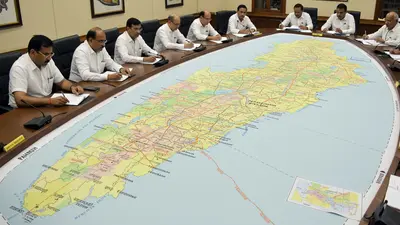
Andhra Pradesh is on the cusp of a major administrative overhaul as Chief Minister N. Chandrababu Naidu focuses on the reorganisation of districts and mandals, and the modification of village names and boundaries. A Group of Ministers has been formed to review numerous appeals and objections received regarding the previous government’s reorganisation, with strong indications of new districts being established to enhance administrative efficiency and accessibility. [16]
In a pivotal move set to reshape the landscape of education, the Uttarakhand Cabinet has given its nod to the Uttarakhand Minority Educational Institutions Bill. This landmark legislation proposes to extend the benefits of minority status beyond the Muslim community, now encompassing Sikhs, Jains, Christians, Buddhists, and Parsis. This initiative aims to foster a more inclusive and transparent framework for recognizing and regulating minority-run educational institutions across the state. [5, 6, 11, 15]
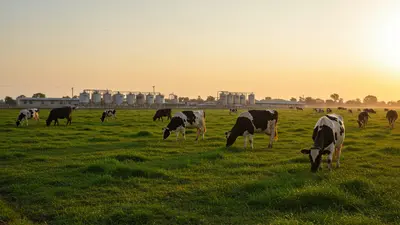
In a bold move to bolster rural prosperity and economic growth, Madhya Pradesh’s Chief Minister has unveiled a comprehensive strategy to establish the state as India’s ‘Milk Capital’ by 2028. This ambitious vision is complemented by significant government pledges, including widespread job creation, guaranteed housing for all families, and expanded social welfare programs, signaling a new era of development across the region. [2]
Karnataka is poised to revolutionize its educational landscape with the introduction of a new state-specific education policy, set to replace the existing National Education Policy. Chief Minister Siddaramaiah announced key provisions, including a two-language model with an emphasis on Kannada or mother tongue up to Class 5, the establishment of 500 new Karnataka Public Schools, and significant investments in upgrading colleges and polytechnics to enhance skill-based training. [15]
Despite repeated promises and a pressing need for modernization, reforms within Kerala’s crucial liquor sector are encountering significant headwinds. The slow pace of change, particularly concerning production and distribution policies, is not only affecting the industry’s potential but also curbing substantial revenue gains for the state, with calls intensifying for a more progressive approach to unlock its economic benefits. [25]
The Gujarat government has introduced fresh guidelines for its Textile Policy, signaling a renewed push to invigorate the state’s robust textile and apparel sector. The updated policy extends crucial industrial incentives to Gujarat Industrial Development Corporation (GIDC) areas, aiming to foster greater investment, production, and employment opportunities. This strategic move is anticipated to further solidify Gujarat’s position as a national leader in textile manufacturing.
ट्रंप टैरिफ विवाद के बीच, इंडियन काउंसिल फॉर रिसर्च ऑफ इंटरनेशनल रिलेशन्स (ICRIER) की एक रिपोर्ट ने भारतीय अर्थव्यवस्था पर पड़ने वाले संभावित प्रभावों को लेकर बड़ा खुलासा किया है। रिपोर्ट में बताया गया है कि किन क्षेत्रों को सबसे ज्यादा नुकसान होगा और साथ ही अमेरिका से बातचीत करने और व्यापार का विविधीकरण करने का सुझाव भी दिया गया है। [10]
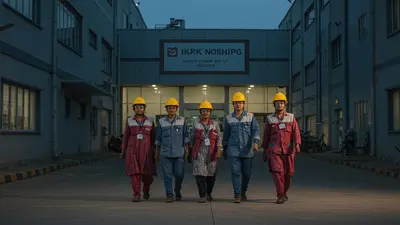
In a progressive stride towards gender equality and economic empowerment, the Jharkhand government has officially lifted the long-standing ban on women working night shifts in factories. The landmark decision, approved by President Draupadi Murmu, grants women the legal right to work beyond conventional hours, provided their consent and full safety measures by employers are ensured. This move is poised to reshape the industrial landscape and offer unprecedented opportunities for the state’s female workforce. [3]
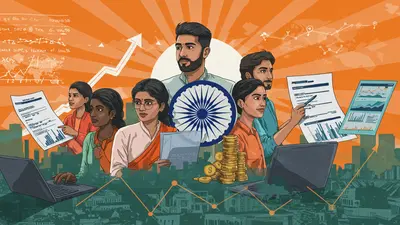
15 अगस्त को लाल किले की प्राचीर से प्रधानमंत्री के ऐतिहासिक भाषण में दो बड़ी घोषणाओं ने देश का ध्यान खींचा: ‘नेक्स्ट-जनरेशन GST सुधार’ और युवाओं के लिए ‘प्रधानमंत्री विकसित भारत रोजगार योजना’। इन फैसलों से करदाताओं और उपभोक्ताओं को बड़ी राहत मिलने की संभावना है, साथ ही निजी क्षेत्र में रोजगार सृजन को प्रोत्साहन मिलेगा, जिससे भारत एक आत्मनिर्भर आर्थिक ताकत बनने की राह पर अग्रसर होगा। [13, 18]
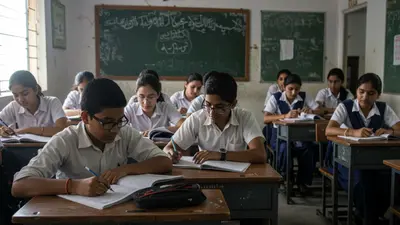
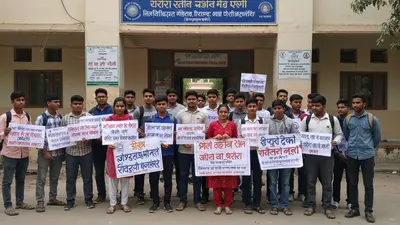
In a move that has sparked significant debate across the state, the Rajasthan government has announced its decision to not hold student union elections for the current academic session. The High Court was informed of this stance, with the government citing ongoing implementation of the National Education Policy (NEP) and concerns from university Vice-Chancellors regarding potential academic disruptions. This decision has ignited protests from various student organizations, who argue it undermines democratic processes and student representation on campuses. [20, 21]
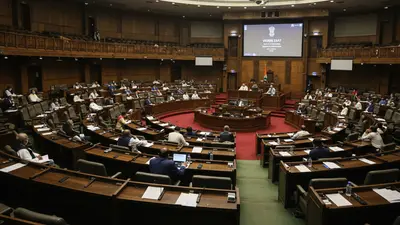
The Uttar Pradesh Legislative Assembly is currently engaged in a historic 24-hour marathon discussion on the ‘Vision Document 2047,’ an ambitious blueprint aimed at charting the state’s long-term development path. Senior ministers are presenting detailed plans encompassing economic growth, social justice, environmental sustainability, and infrastructure expansion. This special session, which commenced recently, underscores the government’s commitment to transforming Uttar Pradesh into a ‘viksit’ (developed) state by 2047, aligning with India’s national goals. The comprehensive document, prepared with expert inputs, seeks to lay a roadmap for budget planning, infrastructure expansion, and key policy reforms. [15, 22, 23]
Karnataka is forging a new path in education with Chief Minister Siddaramaiah announcing plans for a comprehensive state-specific education policy. This landmark initiative aims for the holistic development of youth, coupled with significant upgrades to colleges, the establishment of new technical institutions, and the rollout of 500 new Karnataka Public Schools, promising a brighter future for the state’s students. [9, 23, 24]
In a bold educational reform, Maharashtra’s school education minister has announced the implementation of National Cadet Corps (NCC)-inspired training for students as early as Class 1. This groundbreaking initiative seeks to cultivate discipline and patriotism among young learners from the primary level, with a broader vision of shaping well-rounded, nation-conscious citizens. The program will feature military-style training and aims to expand the number of NCC training centers across the state, potentially involving retired armed forces personnel. [4]
Transform your Shopify store with AI-powered content generation. No credit card required, instant setup in under 60 seconds.
Join 1000+ successful stores