Stop Writing Product Copy: How to Automate Shopify Dropshipping Descriptions

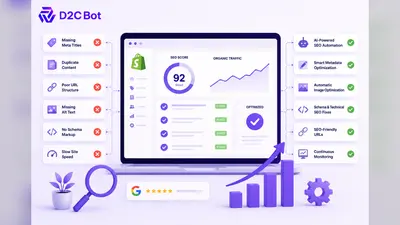
Scaling a dropshipping business often feels like a constant battle against time. You import hundreds of trending items from suppliers, but your store remains invisible to search engines and unappealing to buyers. The biggest bottleneck? Crafting high-converting product text for every item in your catalog. Manually writing copy for massive inventories is slow, tedious, and virtually impossible to sustain. Implementing automated product descriptions for shopify dropshipping changes everything. By leveraging artificial intelligence, dropshippers can transform generic supplier copy into SEO-optimized, brand-aligned product content at scale, turning raw product feeds into revenue-generating assets.
What Are Automated Product Descriptions for Shopify Dropshipping?
Automated product descriptions for Shopify dropshipping refer to using artificial intelligence and automation software to generate product copy for e-commerce listings. Instead of manually writing descriptions line by line, AI engines analyze imported product specs, supplier tags, and targeted keywords to produce unique text automatically.
In a typical Shopify dropshipping setup, merchants import products from platforms like AliExpress or CJdropshipping via tools like DSers or AutoDS. These imports come with poor supplier copy full of broken English and missing SEO metadata. Automated systems process these raw feeds, apply pre-configured brand rules, and push polished product content directly into your Shopify admin.
Why Product Descriptions Matter for Dropshipping Success
In dropshipping, you sell products that dozens of competing stores also offer. Because products and images are often identical across stores, your product content becomes your primary competitive advantage.
- Drives Organic Search Traffic: Unique product descriptions prevent duplicate content penalties from search engines, helping your product pages rank organically.
- Builds Customer Trust: Well-written copy removes foreign supplier jargon, corrects grammatical mistakes, and projects brand professionalism.
- Increases Conversion Rates: Engaging product content focuses on customer benefits rather than technical specs, encouraging visitors to click the buy button.
- Reduces Return Rates: Accurate descriptions set realistic customer expectations, minimizing refunds caused by inaccurate product details.
Challenges of Writing Product Descriptions Manually
Writing unique descriptions manually works when you have five products, but dropshipping businesses thrive on testing broad catalogs. Manual copy creation quickly becomes a operational bottleneck.
+-----------------------------------------------------------------------+ | THE MANUAL COPYWRITING BOTTLENECK | | | | [ Import 500 Products ] ---> [ Spend 100+ Hours Writing Copy ] | | | | | v | | [ Product Trend Dies ] <--- [ Delayed Store Launch ] | +-----------------------------------------------------------------------+
When managing large catalogs manually, merchants face significant operational friction:
- Massive Time Sink: Writing a quality 200-word product page takes 15–20 minutes. A store with 500 products requires over 125 hours of pure copywriting effort.
- High Freelancer Costs: Hiring professional copywriters for thousands of SKUs costs thousands of dollars, eating directly into slim dropshipping margins.
- Inconsistent Brand Tone: Writing hundreds of listings leads to fatigue, resulting in repetitive phrases, inconsistent formatting, and erratic messaging across collections.
- Delayed Launches: Trends move fast in dropshipping. Spending weeks writing copy means missing key viral selling windows.
How AI Automates Shopify Product Descriptions
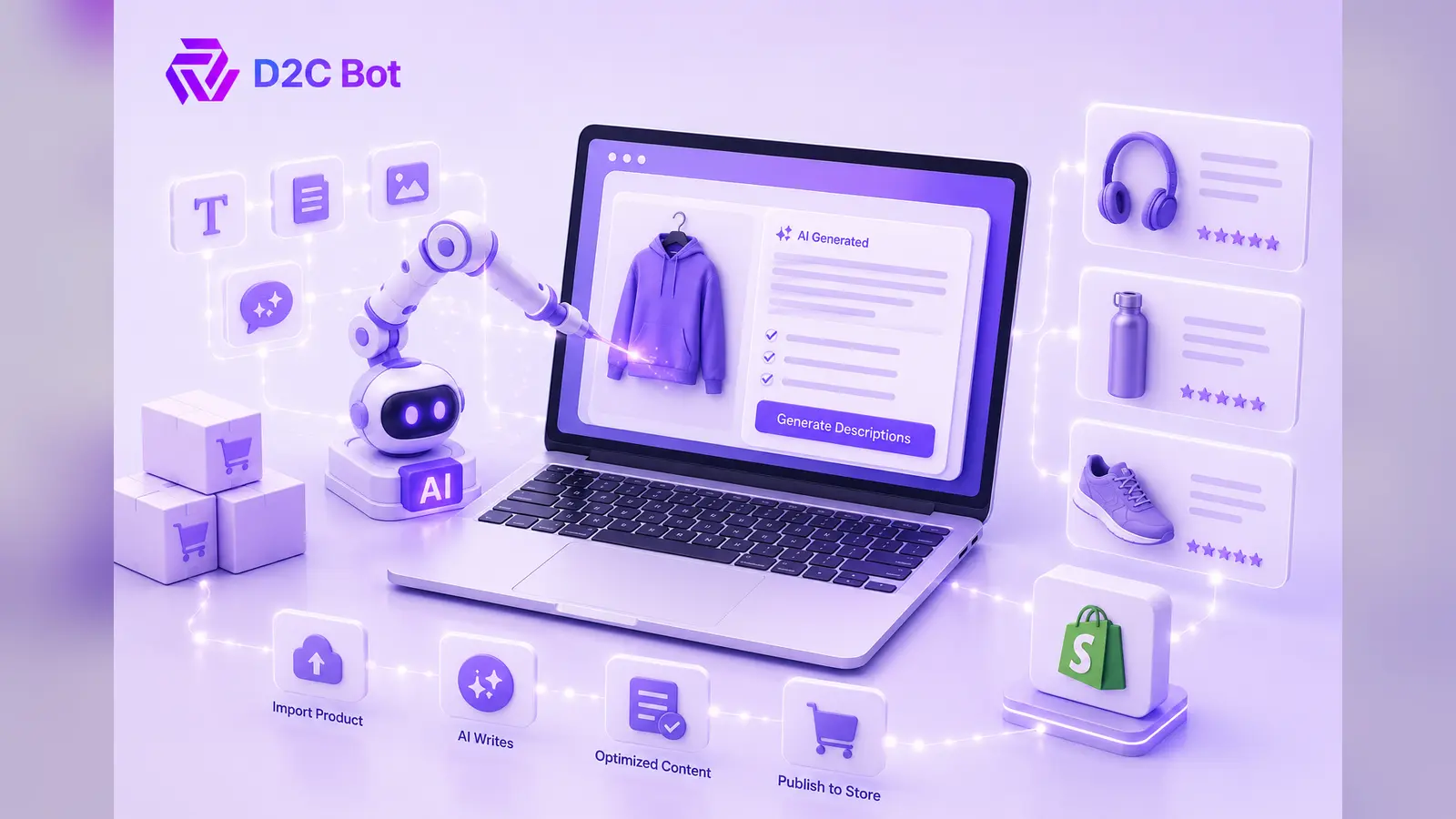
Modern e-commerce platforms utilize advanced natural language processing (NLP) models trained specifically on high-converting e-commerce copy. Here is the step-by-step workflow for integrating automated product descriptions for shopify dropshipping into your daily store management:
+------------------+ +-------------------+ +------------------+ | Supplier Feed | --> | AI Engine Rules | --> | Shopify Admin | | Raw CSV/DSers | | Prompts & Keywords| | Published SKU | +------------------+ +-------------------+ +------------------+
Step 1: Connect Your Shopify Store
Link your store via API or native app integration to give the AI engine access to your product catalog draft queue.
Step 2: Define Brand Rules and Formatting
Establish tone parameters (e.g., energetic, luxurious, professional), structural preferences (e.g., hook paragraph followed by bullet points), and target customer personas.
Step 3: Input Seed Keywords and Specs
The AI extracts basic specifications from imported supplier data (materials, dimensions, usage) and combines them with your target secondary search keywords.
Step 4: Run Automated Generation
The system processes product queues in real-time or batches, generating original descriptions, meta titles, alt text, and URL handles.
Step 5: Sync Directly to Shopify
With a single click, approved content syncs directly to your live product pages, ready to index and convert visitors.
Benefits of Automated Product Descriptions
Adopting shopify automation for your catalog yields immediate operational efficiency:
| Operational Metric | Manual Copywriting | AI-Driven Automation |
| Time per Product | 15–20 minutes | 5–10 seconds |
| Cost per 100 SKUs | $500 – $1,500 (Freelancers) | Included in SaaS subscription |
| SEO Consistency | Variable quality and missed tags | Uniform meta descriptions & H2 tags |
| Catalog Scalability | Limited to small catalogs | Thousands of SKUs processed easily |
| Speed to Market | Days or weeks | Minutes |
How Bulk Editing Saves Time
Processing products individually is inefficient when scaling. Bulk editing is a critical capability within modern e-commerce systems that allows merchants to apply automated rules across thousands of listings simultaneously.
Instead of opening each product draft, a merchant selects an entire collection—such as “Summer Apparel”—and applies global rules:
[ Select Collection: Summer Apparel (250 SKUs) ] | v [ Action: Apply AI Description Template + Add Size Chart ] | v [ System Output: 250 Unique, Formatted Descriptions in 2 Minutes ]
By leveraging bulk editing, dropshippers can update seasonal promotions, add targeted keyword clusters, or rewrite supplier data across an entire catalog in minutes.
Best Practices for AI Product Content
While artificial intelligence accelerates content generation, human guidance ensures quality, compliance, and high conversions.
High-Converting Content Checklist
- Focus on customer benefits before listing technical specs.
- Keep sentences brief and paragraphs under 4 lines for mobile readability.
- Include primary and secondary target keywords naturally in body copy.
- Utilize structured HTML headings (## H2, ### H3) for better readability.
- Include clear bullet points highlighting key product features.
- Generate short, compelling meta descriptions under 160 characters.
- Ensure every product image includes descriptive alt text for accessibility.
Common Mistakes to Avoid
Avoid these frequent pitfalls when implementing ai descriptions in your store:
- Publishing Unedited Supplier Data: Leaving manufacturer code numbers or foreign text ruins store credibility.
- Overusing Generic AI Prompts: Default prompts generate vague language filled with clichés like “game-changer” or “must-have item.”
- Ignoring SEO Basics: Generating text without integrating target search terms causes missed organic ranking opportunities.
- Keyword Stuffing: Cramming search terms artificially ruins readability and triggers search engine penalties.
Before vs. After Product Description Example
Notice how product content changes when converting raw supplier data into optimized store copy:
Before (Raw Supplier Data)
Title: 2026 Hot Sale Men Shoes Mesh Sneakers Lightweight Breathable Running Shoes Casual Outdoor Athletic Footwear
Description: Material: Mesh + EVA. Style: Casual. Color: Black, Blue, Red. Gender: Men. High quality cheap price china shoes. Comfortable for walking running outdoor sports. Order now quick shipping.
After (Automated AI Copy)
Title: Men’s Lightweight Breathable Mesh Running Sneakers
Description:
Experience ultimate everyday comfort with our Men’s Lightweight Breathable Mesh Sneakers. Designed for active lifestyles, these athletic shoes feature an engineered mesh upper that maximizes airflow to keep your feet cool during workouts or casual strolls.
Key Features:
- Breathable Mesh Upper: Promotes airflow to keep feet fresh all day.
- Cushioned EVA Sole: Reduces impact and provides responsive support.
- Non-Slip Traction: Durable outsole grip ensures stability on varied surfaces.
How D2CBot Simplifies Shopify Product Content Automation
Managing inventory across large catalogs requires seamless workflow integration. D2CBot provides an all-in-one automation environment built specifically for e-commerce growth.
Instead of juggling separate apps for rewriting, tag optimization, and data entry, D2CBot streamlines your operations by syncing directly with your catalog. It converts raw supplier data into brand-aligned, conversion-focused product listings instantly. By automating repetitive text generation and catalog updates, merchants can shift focus from tedious administrative tasks to scaling ad campaigns, improving customer service, and driving profitable growth.
Conclusion
Scaling a successful e-commerce brand requires eliminating operational bottlenecks that slow down store growth. Relying on slow manual copywriting or publishing unedited supplier text severely limits your store’s reach and conversion potential. Implementing automated product descriptions for shopify dropshipping allows you to update catalogs quickly, maintain high content standards, and dominate search engine results pages. By leveraging automated workflows and powerful shopify automation, D2C merchants can turn routine product management into an efficient growth engine that scales effortlessly alongside your inventory.
More Articles
- https://d2cbot.com/blog/social-media-marketing/tips-using-instagram-hook-generator/
- https://d2cbot.com/blog/e-commerce/shopify-about-us-page-generator-guide/
- https://d2cbot.com/blog/seo-tools/how-to-use-ai-seo-content-generator-2/
- https://d2cbot.com/blog/ai-tools/top-free-ai-product-description-generators/
Frequently Asked Questions
Will automated product descriptions hurt my Shopify store’s SEO?
No. Unique, well-structured AI content optimized with target keywords improves organic rankings by eliminating duplicate content issues common with supplier feeds.
How does bulk editing work with AI descriptions?
Bulk tools allow you to select multiple products simultaneously, apply standardized content templates, and generate unique, brand-aligned descriptions across entire collections in minutes.
Do I need copywriting skills to use AI product automation?
No copywriting expertise is needed. Modern AI tools utilize built-in templates and proven e-commerce frameworks to automatically generate clear, benefit-driven product text.
Can AI generate meta titles and alt text automatically?
Yes. Advanced e-commerce AI platforms produce meta titles, meta descriptions, URL handles, and image alt text alongside body copy for complete SEO coverage.
How fast can I process 500 products with AI automation?
Using automated batch processing, a 500-product catalog can be updated, optimized, and published to your live Shopify store in under 15 minutes.