Top 7 Post-Purchase Automations That Reduce Support Load and Increase Repeat Purchase
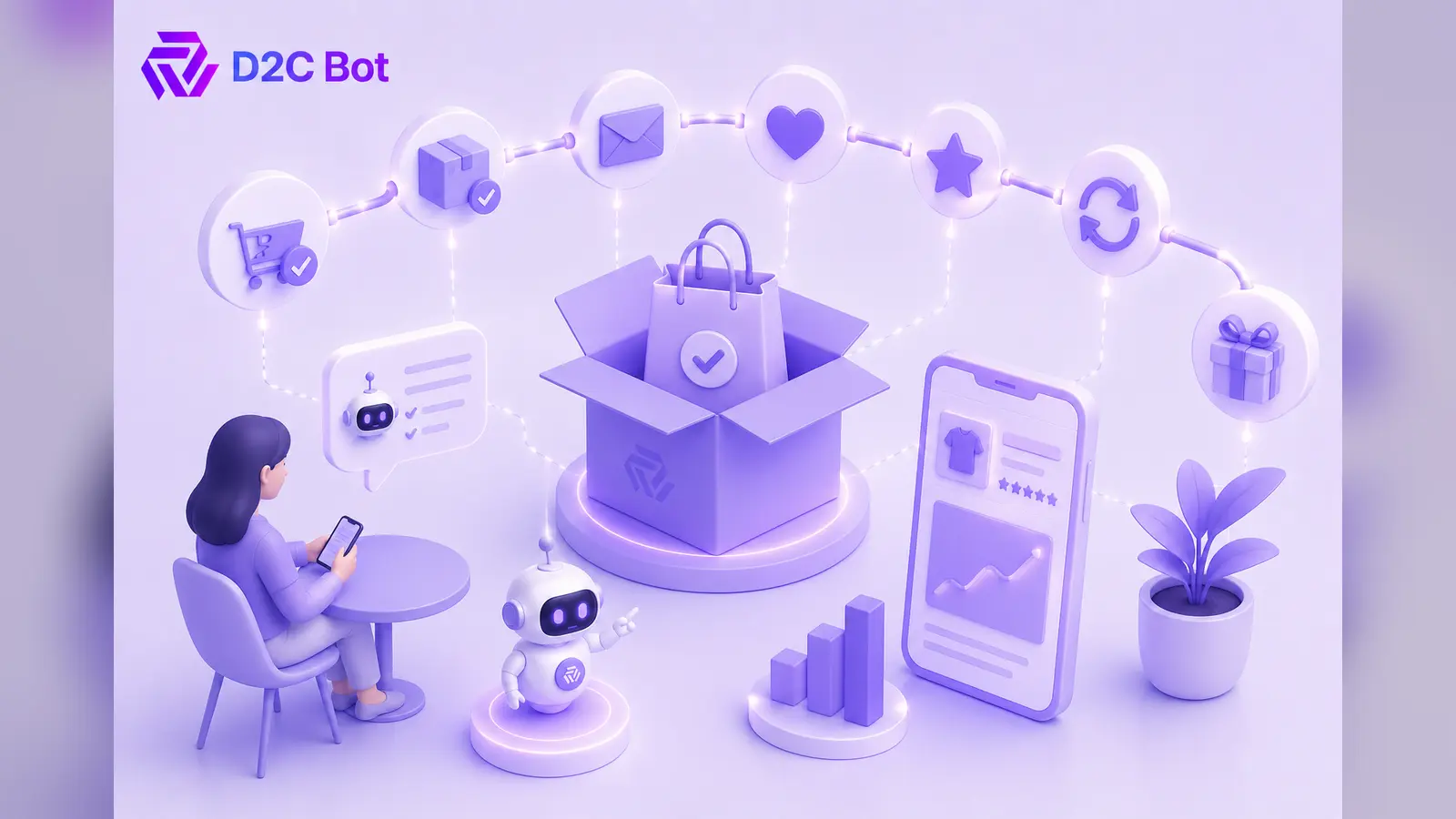

Retention starts after checkout, not before it. Too many e-commerce brands pour massive budgets into customer acquisition, only to go completely dark the moment a transaction completes. This post-purchase silence creates buyer anxiety, inflates customer support queues, and misses the single best window for driving repeat purchases.
Modern D2C brands scale by maximizing customer lifetime value while keeping operational overhead low. Automated post-purchase workflows bridge the gap between checkout and delivery, delivering the right message at the exact right time. By proactively addressing buyer concerns, educating customers on their purchases, and timing reorder offers intelligently, you transform one-time buyers into loyal brand advocates while drastically cutting ticket volume.
Why Post-Purchase Automation Matters More Than Ever
Rising customer acquisition costs make relying solely on new user traffic a dangerous growth strategy. To remain profitable, e-commerce stores must maximize the revenue generated from every existing customer.
Post-purchase automation forms the foundation of modern retention marketing and customer experience. Proactive communication reduces buyer remorse and frees up customer service reps to handle complex issues rather than routine order inquiries.
Building automated post-purchase systems delivers key business advantages:
- Lower acquisition dependency by scaling repeat orders organically.
- Higher customer lifetime value through targeted lifecycle flows.
- Streamlined customer service operations that scale without adding headcount.
- Increased customer trust and higher long-term brand satisfaction.
Automation 1 — Order Confirmation and Purchase Summary
The order confirmation email is the single most opened message in e-commerce marketing, often seeing open rates above seventy percent. Sending a plain, unoptimized receipt wastes valuable engagement real estate.
Instant Reassurance and Clear Expectations
An automated confirmation flow should deliver instant psychological reassurance after checkout. Beyond confirming payment, it must clearly display itemized order details, shipping addresses, estimated delivery dates, and return policies. Setting realistic fulfillment expectations right away prevents immediate post-purchase anxiety.
Integrating helpful links to customer portals allows buyers to modify shipping details or add order notes independently. Transforming this initial transactional touchpoint into an informative resource reassures shoppers and sets a professional tone for the entire order lifecycle.
Automation 2 — Shipping and Delivery Updates
The period between order placement and doorstep delivery is when buyer anxiety reaches its peak. A lack of visibility during transit leads to an influx of costly “Where is my order?” support tickets.
Proactive Tracking and Delay Alerts
Automated shipping flows keep customers informed at every stage of the fulfillment journey. Triggers should send real-time notifications when a package leaves the warehouse, reaches local hubs, and out for delivery.
If a carrier experiences shipping delays, an automated alert should notify the buyer before they notice a stall themselves. Proactive delay updates turn a potentially negative experience into a demonstration of great service, protecting customer trust and eliminating proactive ticket submissions.
Automation 3 — Product Education and Onboarding
Customer satisfaction depends on whether a product delivers its promised value. If a customer struggles to use an item correctly, they are far more likely to leave negative reviews or initiate returns.
Tutorials, Setup Guides, and Usage Tips
Educational onboarding flows should trigger right as the package arrives. Sending clear setup guides, video tutorials, or ingredient usage tips ensures customers get the best possible experience from day one.
For example, a skincare brand can send a morning-and-night routine guide, while a specialty coffee brand can share brewing instructions. Providing guidance prevents user error, boosts product satisfaction, and lowers return rates significantly.
Automation 4 — Review and Feedback Requests
Social proof is essential for driving future acquisition, but collecting reviews manually is inefficient and difficult to scale across thousands of monthly orders.
Optimal Timing and Customer Insights
Automating review requests ensures every satisfied customer receives an invitation to share their experience. The key is timing: the request must trigger after the customer has had sufficient time to open and use the product.
For fashion, a few days post-delivery works well; for supplements, three to four weeks is ideal. Incorporating a direct feedback branch allows unhappy buyers to reach support immediately, letting your team resolve issues privately before negative reviews go public.
Automation 5 — Personalized Cross-Sell and Upsell Campaigns
A customer who just purchased from your store is highly engaged and receptive to relevant product recommendations. Strategic cross-selling boosts average order value without feeling intrusive.
Relevant Recommendations and Offer Timing
Post-purchase cross-sell flows should analyze purchasing data to suggest complementary items. If a shopper buys a pair of leather boots, an automated flow can suggest matching shoe polish or waterproofing spray.
Timing these offers between the order confirmation and shipping notice—or immediately after delivery—capitalizes on peak buying intent. Personalizing recommendations based on category history drives higher conversion rates than generic product blasts.
Automation 6 — Replenishment and Reorder Reminders
For consumable products like beauty items, supplements, or food, customer churn often happens simply because buyers forget to reorder before running out.
Consumable Timing and Subscription Conversion
Replenishment automations calculate product usage windows to send timely reorder prompts. If a protein powder container lasts thirty days, an automated reminder should arrive on day twenty-four with a quick, one-click reorder link.
This flow is also the perfect moment to introduce subscription discounts, turning one-off purchases into predictable recurring revenue. Giving customers a frictionless path to reorder protects market share from competing brands.
Automation 7 — Loyalty and VIP Engagement
Your highest-value buyers deserve an elevated brand experience. Treating repeat customers like anonymous first-time buyers damages long-term retention rates.
VIP Rewards, Exclusive Access, and Referrals
Automated VIP flows trigger when a customer hits specific spend thresholds or order counts. These messages can award loyalty points, offer early access to new product drops, or invite VIPs to exclusive sales.
Integrating referral links into loyalty flows encourages top advocates to introduce friends in exchange for rewards. Recognizing buyer loyalty automatically builds emotional connections that competitors cannot easily displace.
Comparing Post-Purchase Approaches
Shifting from reactive, manual communication to structured post-purchase automation changes every core operational metric across your business.
| Evaluation Metric | Manual Post-Purchase Process | Automated Post-Purchase Workflow | Customer Impact |
| Communication | Irregular, manual updates | Triggers instantly on order events | Higher trust and reassurance |
| Support Workload | High ticket volume (“Where is my order?”) | Proactive notifications cut tickets | Lower support costs and faster resolution |
| Retention Rates | Low repeat purchases | Automated reorder flows drive sales | Higher customer lifetime value |
| Response Speed | Delayed manual replies | Real-time automated messaging | Reduced buyer anxiety |
| Personalization | Generic messaging for all buyers | Tailored product and usage recommendations | Relevant, high-converting offers |
| Operational Scale | Bottlenecks as order volume grows | Handles unlimited order volume effortlessly | Consistent experience at any scale |
Post-Purchase Automation Checklist
Use this 8-point checklist to evaluate and optimize your brand’s post-purchase customer journeys:
- Send instant order confirmation messages with clear delivery expectations.
- Provide real-time shipping updates and proactive delay notifications.
- Deliver tailored product setup guides immediately after delivery.
- Time review requests based on realistic product usage windows.
- Build automated cross-sell sequences featuring complementary items.
- Set up replenishment reminders for consumable product lines.
- Create automated VIP tiers based on spend and order frequency.
- Track post-purchase metrics to continually optimize messaging schedules.
Conclusion
Building a profitable D2C brand requires looking beyond initial customer acquisition and investing in long-term retention. Relying on manual customer updates or going silent after checkout leads to elevated support costs, missed cross-sell revenue, and lost repeat buyers. Implementing structured post-purchase automations turns every order into an opportunity to build trust, educate buyers, and drive predictable lifetime revenue. By taking a system-first approach to customer communication, you reduce operational strain while delivering an exceptional brand experience that keeps customers coming back.
Build your post-purchase flow map to create a smoother customer experience, reduce support workload, and increase repeat purchases through structured automation.
More Articles
- https://d2cbot.com/blog/e-commerce-automation/how-d2c-automation-software-boosts-efficiency/
- https://d2cbot.com/blog/ai-and-business/ai-driven-decision-making-business-strategies/
- https://d2cbot.com/blog/ai-tools/ai-product-description-generator-free-2/
FAQs
Post-purchase automation reassures buyers, reduces customer support volume, educates consumers on product usage, and drives repeatable revenue through well-timed cross-sell and replenishment campaigns without increasing team workload.
Automated shipping and delivery notifications cut support requests most effectively. Providing proactive tracking links and delay alerts eliminates the majority of “Where is my order?” inquiries sent to support teams.
Review requests should trigger after the customer has had enough time to use the product. This usually ranges from three days for fashion items to thirty days for health and skincare products
Replenishment reminders calculate when a consumable item is running low and send timely reorder links. This convenience prompts buyers to reorder before running out, preventing them from switching to competitors.